
Hunter vs. Jumper: What’s the Difference?
Same Arena. Same Fences. Completely Different Sport.
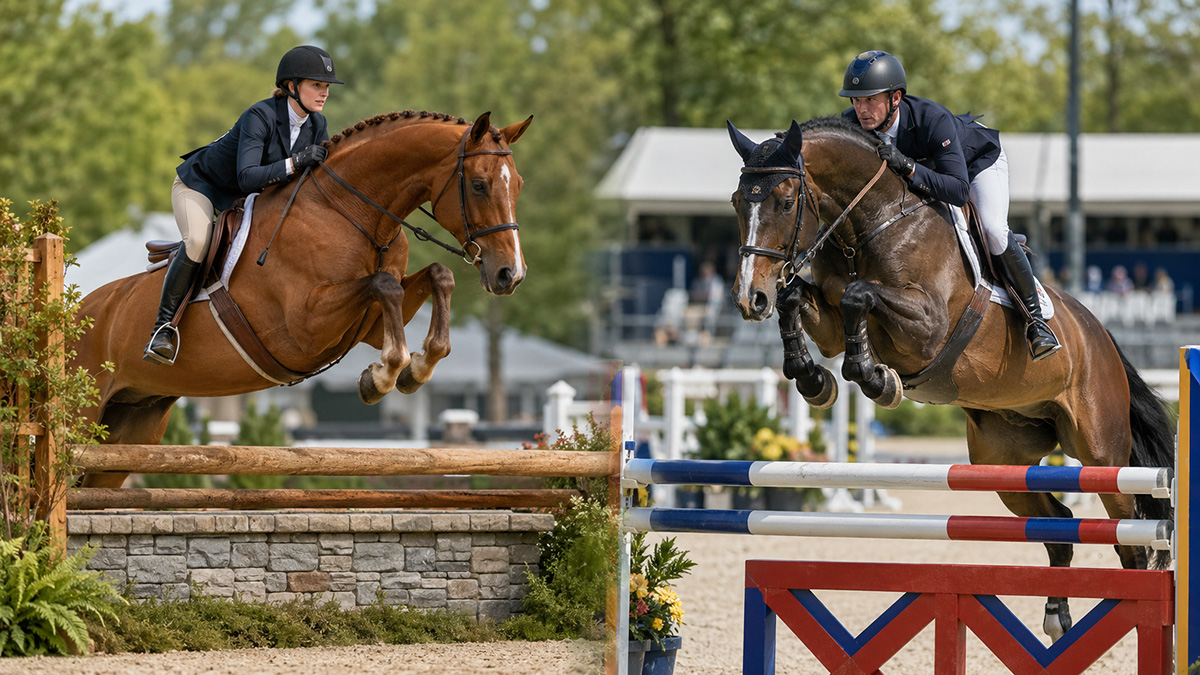
Stand at the rail of a hunter/jumper show for an hour and you may see horse after horse jumping fences that look almost the same. Same ring. Same jumps. Same riders in tall boots and helmets.
And yet, people around you will talk about hunters and jumpers as if they are two different worlds.
They are.
Here is the easiest way to understand it:
Hunters are judged on how the round looks. Jumpers are judged on what the horse and rider accomplish.
That one sentence explains almost everything.
In the hunter ring, the judge is looking for rhythm, manners, smoothness, style, and the impression that the horse is comfortable and confident in its work.
In the jumper ring, the clock is running. The question is much simpler: did the horse leave the rails up, stay within the time allowed, and complete the course faster than the others?
Both sports require skill. Both require a good horse. Both require a rider who knows what they are doing. But they reward very different things.
Hunters: Smooth, Quiet, and Beautifully Trained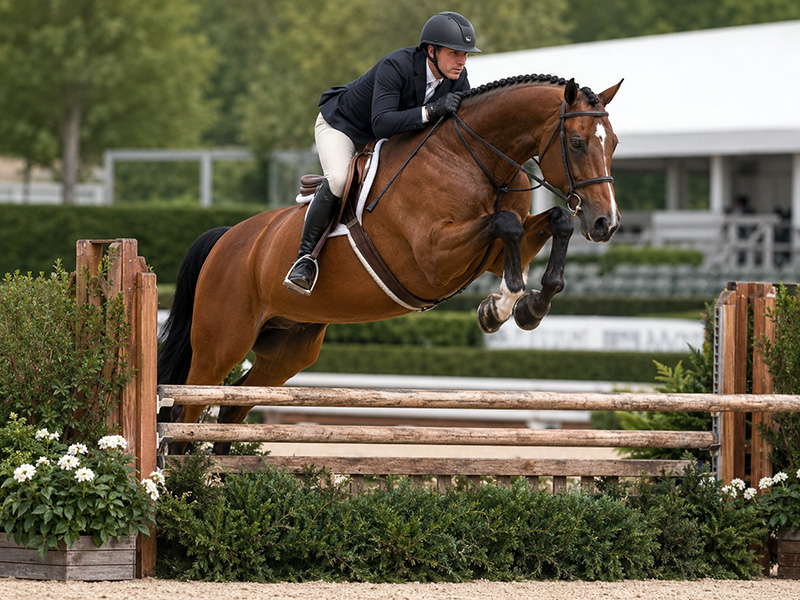
The hunter division comes from the tradition of foxhunting, where horses needed to travel across open country, jump natural obstacles, and stay calm and sensible for hours. A good field hunter had to be brave, but also steady. He had to jump cleanly without wasting energy, spooking, rushing, or making a fuss.
That history still shapes the hunter ring today.
A good hunter round should look smooth, quiet, balanced, and almost effortless. The horse should canter in a steady rhythm, jump in a soft round arc, land quietly, and continue on without drama. The rider should look still and effective, helping the horse without drawing attention away from the horse’s performance.
That does not mean the rider is doing nothing. Good hunter riding is often very hard because the best rides look simple. The rider is making small corrections, finding the right distance, keeping the horse straight, maintaining rhythm, and staying out of the horse’s way.
The judge is watching the whole picture.
Is the horse relaxed?
Is the pace even?
Are the jumps smooth?
Does the horse use its body well over the fence?Does the round look pleasant, polished, and confident?
Hunter scores are subjective. A judge may score a round somewhere in the 60s, 70s, 80s, or 90s depending on the quality of the trip. A beautiful, consistent round with good rhythm and jumping style will score higher than a round that is tense, uneven, rushed, or awkward, even if all the rails stay up.
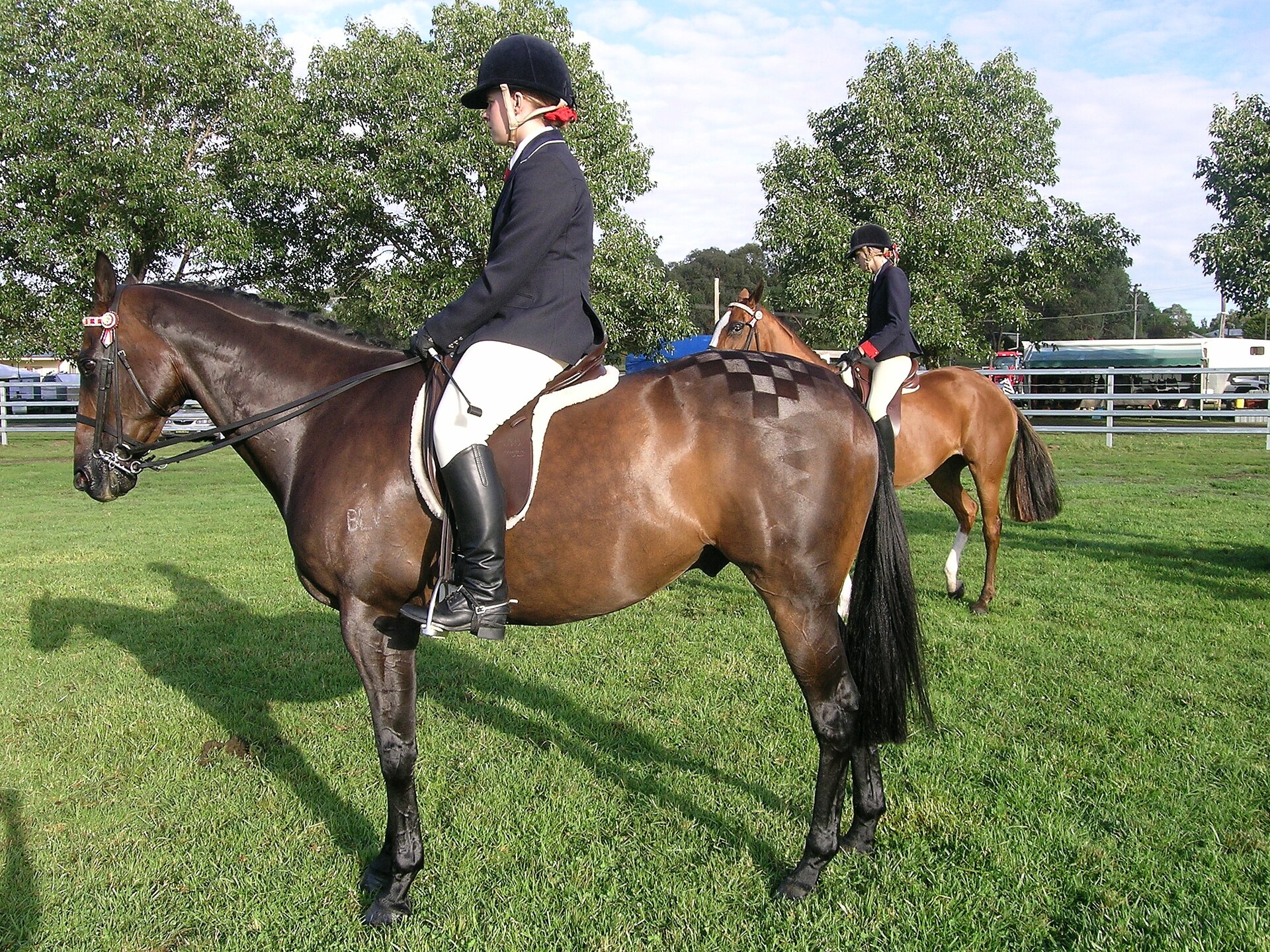
That is why hunter turnout is traditionally quiet and conservative. Braided manes, clean tack, dark coats, polished boots, and a neat overall picture are all part of the hunter tradition. Nothing is supposed to look loud or distracting. The goal is not flash. The goal is quiet excellence.
Jumpers: Fast, Clean, and Brave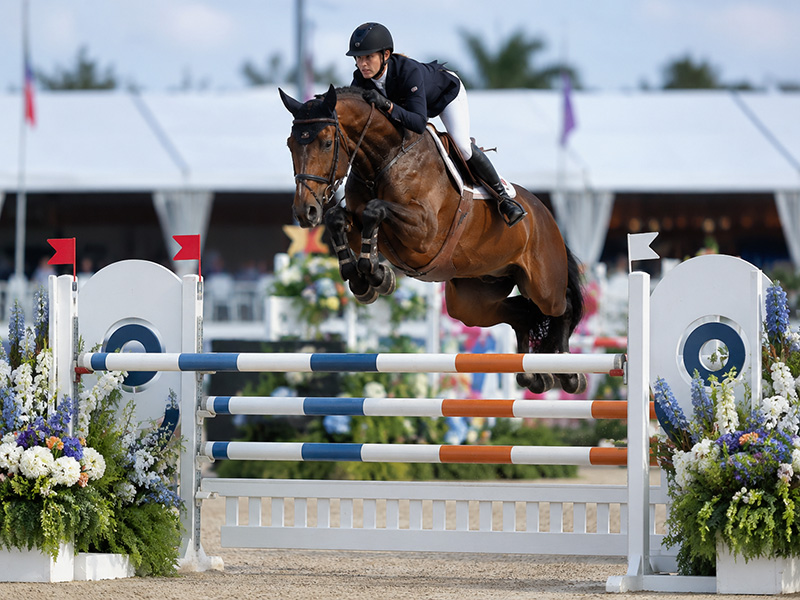
Jumpers are different.
In the jumper ring, there is no style score. The horse is not judged on whether it jumps in a pretty arc or whether the rider looks elegant. The judge is not deciding which round was the most beautiful.
The jumper ring is about faults and time.
If a horse knocks down a rail, there are penalties. If the horse refuses, runs out, or exceeds the time allowed, there are penalties. If more than one horse goes clear, the winner is usually decided by the fastest time, often in a jump-off.
That is why jumper rounds feel more like a race.
Riders may turn tighter, gallop more boldly, take sharper angles, and choose a faster track. A jumper horse needs athletic ability, courage, quick thinking, and the desire to leave the rails up. Some jumper horses are careful and electric. Some are bold and powerful. Some may not look like a classic hunter at all, but they are very good at their job.
This is the discipline most people think of when they hear “Olympic show jumping.” At the upper levels, the fences are big, technical, and demanding. The best horses in the world must combine scope, speed, heart, carefulness, and trust in the rider.
In jumpers, pretty is nice.
Clear and fast wins.
Why One Horse May Not Be Good at Both
One of the first things new riders learn is that a good hunter and a good jumper are not always the same kind of horse.
A wonderful hunter is usually steady, rhythmic, quiet, attractive over the fence, and pleasant to watch. The horse should look like it understands the job and is happy doing it.
A wonderful jumper may be quicker, sharper, bolder, and more powerful. It may jump higher than necessary, turn faster, or show more energy than a hunter judge would want to see.
Neither horse is better. They are simply suited for different jobs.
The hunter is rewarded for making the work look smooth and natural.
The jumper is rewarded for getting the job done cleanly and quickly.
Where Equitation Fits In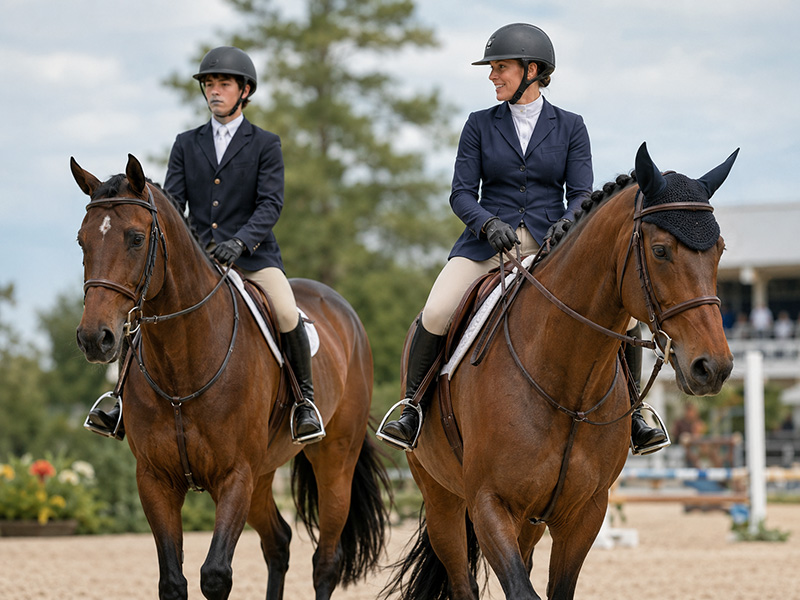
At many shows, you will also hear a third word: equitation.
Equitation classes are judged on the rider.
That does not mean the horse is unimportant, but the main focus is the rider’s position, effectiveness, balance, decision-making, and ability to guide the horse correctly. Equitation is often one of the best places for young riders to learn the basics of good English riding because it teaches them how to ride well, not just how to get over the jumps.
So in simple terms:
Hunters judge the horse.
Equitation judges the rider.
Jumpers judge the result.
That is not a perfect explanation for every situation, but it is a very helpful place to start.
Where Beginners and Kids Usually Start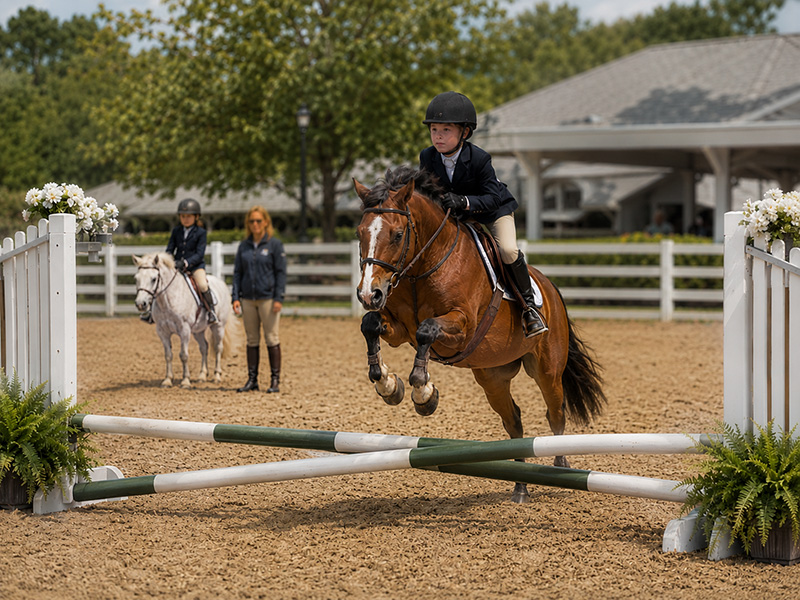
For families new to the hunter/jumper world, the class names can be confusing at first. The good news is that most riders do not begin with big fences or high-pressure classes.
They begin small.
Many children start in lunge line, walk-trot, crossrails, or short stirrup divisions. These early classes are designed to help young riders learn ring manners, steering, position, balance, and confidence. The fences may be tiny, but the lessons are important.
Common beginner-friendly divisions may include:
Lunge line, where very young children are led by an adult while learning the feel of riding in the show ring.
Walk-trot classes, where riders are judged at the walk and trot without cantering.
Crossrails, where the jumps are small X-shaped fences that help horse and rider learn to jump in a simple, inviting way.
Short Stirrup, often for younger riders on ponies or small horses, with low fences and an emphasis on safety, rhythm, and confidence.
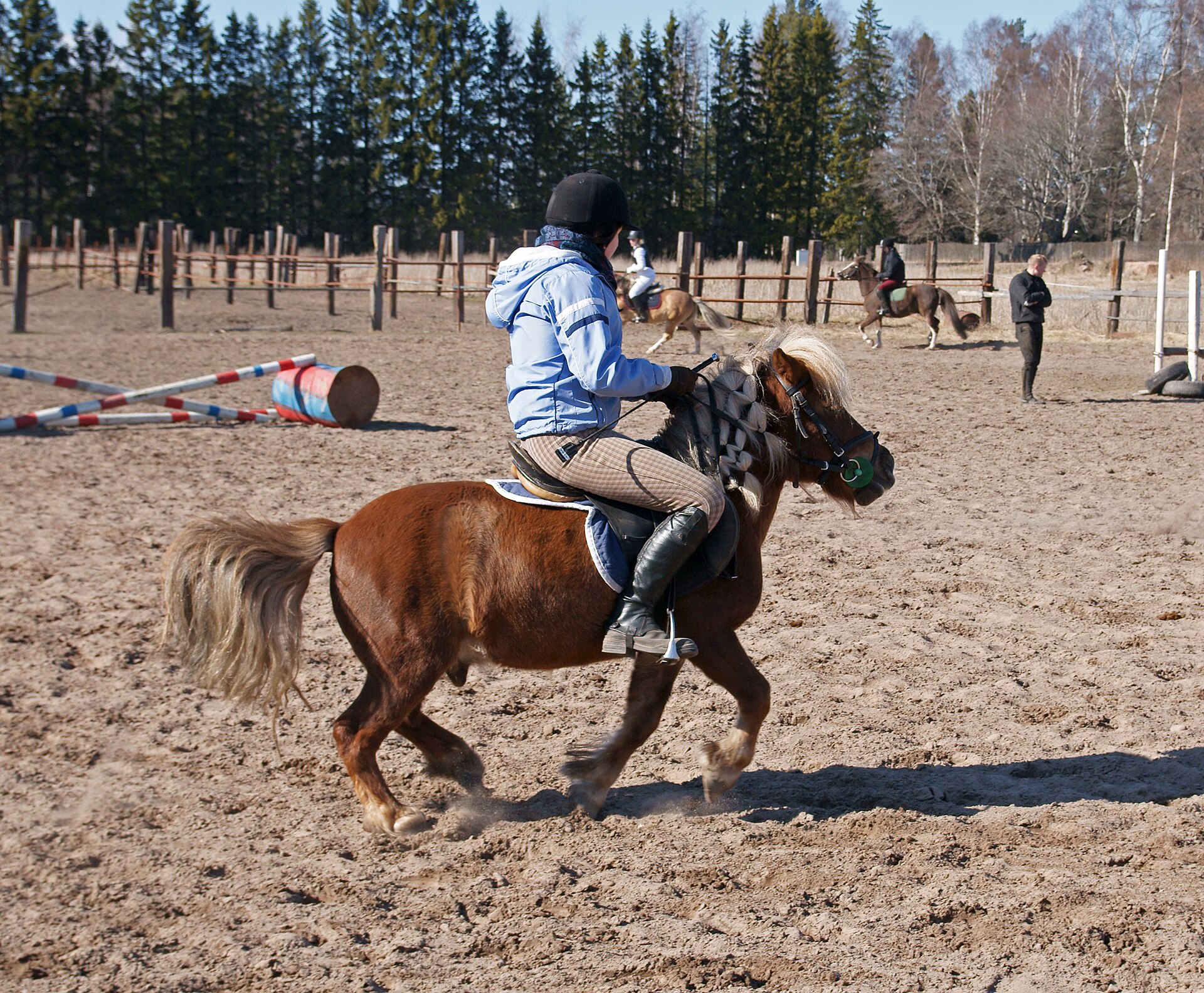
Pony Hunters, where children ride ponies in hunter classes judged on manners, way of going, and jumping style.
Schooling Hunter or Beginner Hunter, where green horses, green riders, or less experienced combinations can learn the hunter job at lower heights.
As riders gain experience, they may move into higher hunter divisions, equitation classes, jumper classes, or a combination of all three.
At the local and schooling show level, the purpose is not just to win ribbons. It is to learn. Riders learn how to prepare a horse, memorize a course, ride in a warm-up ring, handle nerves, respect other riders, and care for their horse before and after the class.
Those lessons matter.
A child who learns to ride a quiet hunter round is learning patience, feel, timing, and responsibility. A child who later rides jumpers is building on those same foundations with more speed and strategy.
What to Watch From the Rail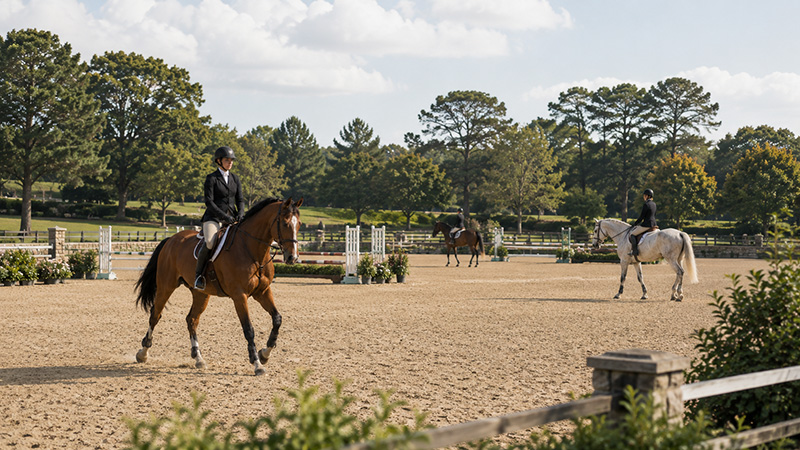
If you are new to watching a hunter/jumper show, the best thing you can do is look at the class name before the horse enters the ring.
If it says Hunter, watch for rhythm. The horse should look relaxed, smooth, and consistent. Notice whether the round looks easy. The best hunter rounds often do not look dramatic at all.
If it says Equitation, watch the rider. Look at the rider’s position, quiet hands, steady lower leg, balance, and ability to guide the horse smoothly around the course.
If it says Jumper, watch the clock and the rails. The round may look faster, sharper, and more exciting. The winning ride may not be the prettiest one, but it will be the one that finishes with the fewest faults in the fastest time.
Once you know what each class is rewarding, the whole show becomes easier to understand.
The Bottom Line
Hunters ask the horse to make something difficult look smooth, quiet, and natural.
Jumpers ask the horse to do something difficult cleanly, boldly, and fast.
Equitation asks the rider to show correct, effective riding.
Same arena. Same fences. Three very different ways of measuring success.
And that is part of what makes the hunter/jumper world so interesting. There is room for the quiet, beautiful hunter. There is room for the bold, fast jumper. There is room for the young rider learning to post the trot, the child on a patient pony, the adult amateur finding confidence, and the professional rider chasing a Grand Prix win.
Welcome to English riding.
The Bridleway is here to help make it make sense.