Feeding Horses — Are We Doing What’s Right for Our Horses?
How Horses Were Meant to Eat
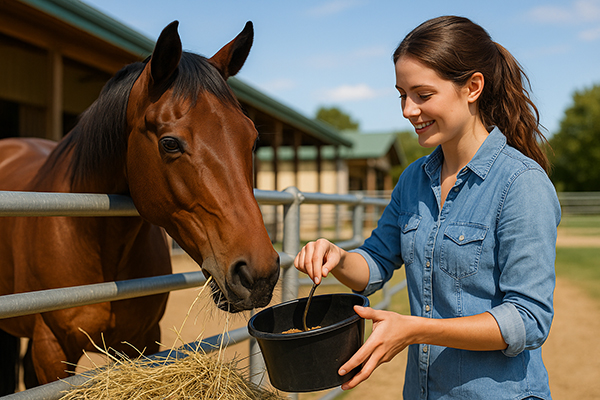
If we step back in time and look at how horses as created live, it’s easy to see why so many modern feeding practices can cause problems. In the wild, horses graze almost continuously, moving slowly from patch to patch of grass for 16 to 18 hours a day. Each mouthful is chewed carefully, mixed with saliva, and swallowed. That chewing time isn’t just idle nibbling — chewing creates alkaline saliva that helps neutralize stomach acid and keep the gut comfortable.
A horse can produce up to 10 gallons of saliva a day when grazing, and that saliva helps buffer the stomach, where acid is produced 24 hours a day. The fibrous forage combines with the saliva to form a protective, spongy mixture that gently moves through the stomach and intestines. When horses are allowed to eat this way, their digestive systems stay balanced, their energy levels steady, and their moods calm.
What Modern Feeding Gets Wrong
Most stabled horses today are fed two or three meals a day — large, concentrated feedings that bear little resemblance to their natural grazing patterns. While this is convenient for people, it’s not ideal for horses. Intermittent feeding means fewer chewing hours and far less saliva to buffer acid. Add to that the starch-heavy grains many performance horses receive, and we have a recipe for ulcers, colic, and behavioral problems.
Without enough hay or pasture, the stomach sits empty between meals, leaving the unprotected upper portion of the stomach exposed to acid. Combine that with exercise, which sloshes acid around, and you have one reason up to 90% of performance horses develop gastric ulcers.
Large, grain-based meals also push undigested starch into the small intestine, where it’s converted rapidly to sugar. This “sugar rush” can make horses hyper, and when insulin rises to counter it, the blood sugar drops, leading to fatigue, irritability, and even metabolic stress. Worse, leftover starch that escapes digestion enters the hindgut, where it ferments rapidly and produces lactic acid. That acid can disrupt the delicate microbial balance, trigger colic, or even contribute to laminitis.
Inside Your Horse’s Digestive System
Let’s take a short trip through your horse’s digestive tract — simplified and in plain barn language.
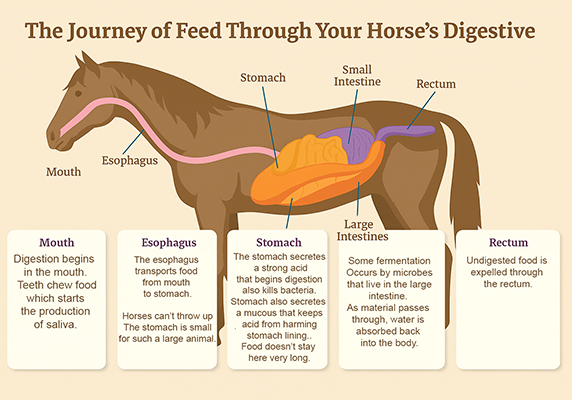
- Mouth and Teeth: Healthy teeth grind hay into a fine, moist mixture. Sharp points or uneven wear can make chewing painful and reduce digestion efficiency. Floating teeth once a year is essential.
- Esophagus: A strong valve at the stomach entrance prevents vomiting, which is why choking or gas build-up can quickly become dangerous.
- Stomach: Holds only about 4 gallons, small compared to a horse’s size. When overfilled with grain, feed passes through too fast for proper digestion, or worse, risks rupture.
- Small Intestine: About 70 feet long, this is where proteins, fats, and simple carbs are digested and absorbed.
- Cecum: A fermentation vat roughly 4 feet long, home to billions of microbes that digest fiber and produce vitamins and fatty acids.
- Colon: The final stretch where water and electrolytes are reabsorbed and manure forms. Twists or impactions here can lead to painful, sometimes fatal colic.
Every step depends on what came before it — feed too much, too fast, or change feed abruptly, and the system struggles to cope.
Why Horses Get Colic So Easily
Colic remains the number one killer of horses, and most cases start with the gut being asked to handle something unnatural. Too much grain, not enough forage, poor teeth, sudden feed changes, or dehydration can all set the stage.
When weather swings from warm to cold, horses often drink less. Drier feed combined with less water means intestinal contents move slowly, the colon pulls out too much moisture, and impaction results. That’s why horses must always have fresh water available, especially in cold weather.
Feeding by Body Type
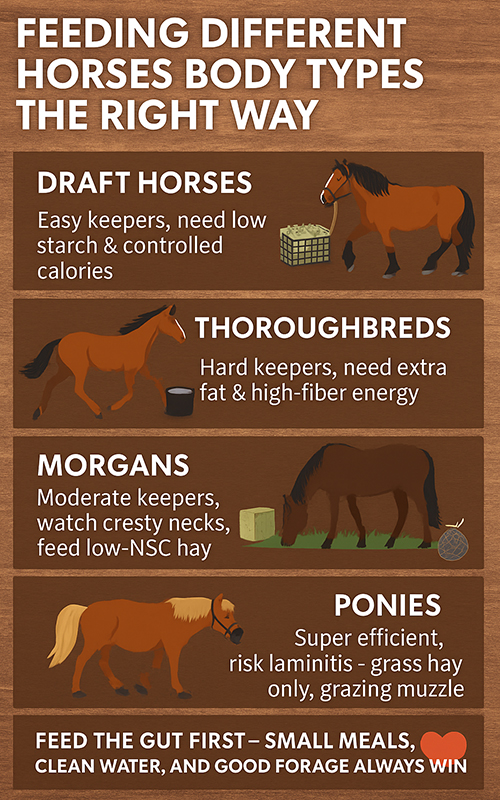
Every horse is an individual, but breed tendencies tell us a lot about how they process food. Matching feed programs to body type can prevent ulcers, weight issues, and laminitis.
Draft Horses
Drafts like Percherons and Belgians have slow metabolisms and are classic “easy keepers. ” They do best on high-quality grass hay and minimal grain. Too many calories lead to obesity, which raises the risk of laminitis and joint strain. Provide plenty of turnout and slow-feed hay nets to mimic grazing without overfeeding.
Thoroughbreds
Thoroughbreds burn calories fast. These “hard keepers” often need extra fat and fiber calories rather than more starch. Adding stabilized rice bran, beet pulp, or oil can keep weight steady without triggering ulcers. Keep hay available at all times, and alfalfa can be used for its buffering calcium.
Morgans
Morgans are athletic but efficient. They maintain weight easily, even on modest rations, and can become cresty-necked if overfed. A ration of mostly grass hay with a low-starch balancer and daily turnout keeps them fit and happy.
Ponies
Ponies evolved on sparse grasslands. Their metabolism is so efficient that even a few extra pounds of grain or lush pasture can cause laminitis. Feed small amounts of coarse grass hay, avoid sweet feeds, and consider a grazing muzzle if turnout is on rich grass. Ponies thrive on movement and moderation.
Simple Rules for Smarter Feeding
- Feed more often, in smaller meals. If possible, divide feedings into three or four smaller portions a day, or use slow-feed nets to extend hay time.
- Provide free-choice hay whenever you can. Long-stem forage keeps the digestive system moving and produces saliva to buffer acid.
- Always ensure clean, fresh water. A horse may drink 10–20 gallons a day. Add a salt block or electrolyte supplement to encourage drinking, especially in winter.
- Introduce new feeds gradually. When changing hay or grain, take three to four weeks to transition. Mix a little more of the new feed each week so gut microbes can adjust.
- Replace excess starch with healthy fats. Add vegetable oil, flax, or rice bran to boost calories safely. Fat provides energy without disturbing gut bacteria.
- Keep up with dental and deworming care. Uneven teeth or parasite burdens interfere with digestion and nutrient absorption.
Gut-Health Support and Functional Feeding
Modern research has introduced the idea of “functional feeding” — supporting the gut itself rather than just meeting calorie requirements. Certain natural ingredients can help restore balance and strengthen the digestive lining:
- Beta-Glucan: From oats, yeast, or mushrooms, helps immune balance and slows digestion for better nutrient absorption.
- Polar Lipids: Found in oat oil, coat the gut lining to protect and improve nutrient uptake.
- Glutamine: Nourishes the intestinal cells and supports healing after stress or ulcer damage.
- Threonine: An amino acid critical for producing protective mucus in the digestive tract.
- MOS (Mannan Oligosaccharides): From yeast, attract harmful bacteria and help flush them out.
- Nucleotides: Support the renewal of rapidly dividing intestinal cells, keeping the gut resilient.
Supplements containing these nutrients can gradually help a horse recover from the stresses of modern feeding. They aren’t drugs and won’t work overnight, but steady use builds long-term digestive stability.
The Final Word from InfoHorse.com’s Ann Pruitt
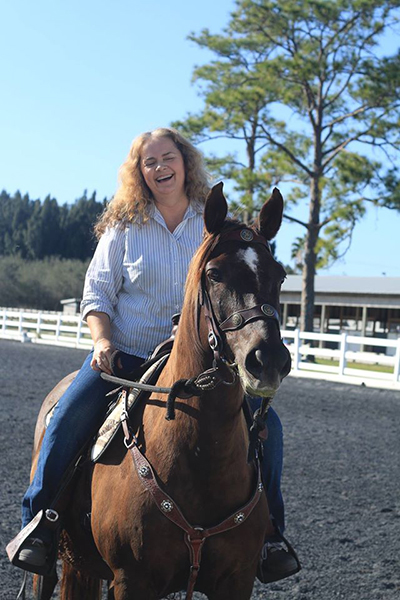
Feeding horses well isn’t about fancy formulas or expensive grains, it’s about understanding what nature designed them to eat.
When we mimic grazing by offering more forage, clean water, consistent schedules, and thoughtful supplementation, our horses stay healthier, happier, and more willing to perform.
Whether you’re caring for a mighty draft, a lean Thoroughbred, a sturdy Morgan, or a bright-eyed pony, the secret is the same: feed the gut first, and the rest will follow.