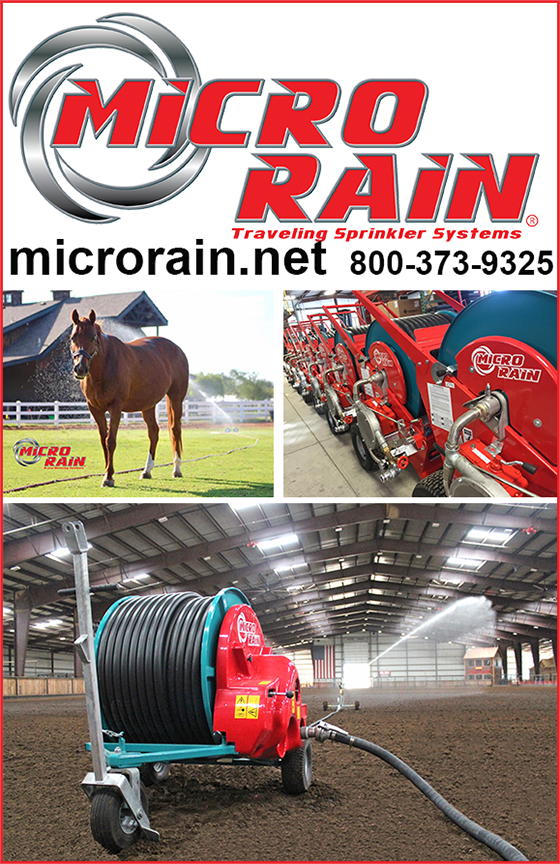
Featured Sponsor: Micro Rain™ Turbine Driven Self Traveling Sprinkler Systems
Micro Rain™ Turbine Driven Self Traveling Sprinkler Systems
Micro Rain™ systems provide the labor free solution to watering dusty arenas! Since its inception, MicroRain™ (The Kid Group) has been a distributor of unique irrigation and turf maintenance products. Our goal is to offer customers the most dependable, convenient irrigation products while providing unparalleled customer service. To further our goal, we have developed a turbine-driven traveling sprinkler that operates using almost any water source.
Learn more about Micro Rain™ Turbine Driven Self Traveling Sprinkler Systems →
See all Pasture Care options below
Pasture Care Categories
6 product categories
📋
Other Types of Products we Recommend
Curated picks from across InfoHorse.com — most relevant first



Free horse tools
All 7 free tools →
Pasture Care — Frequently Asked Questions
How do I get rid of mud in my horse paddock?
Mud usually means water has nowhere to go and traffic has killed the grass. Improving drainage helps: grade high-traffic areas, add French drains or gutters to divert runoff, and build up gates and feeding spots with gravel and geotextile footing. Rotating horses off wet ground gives grass a chance to recover and hold the soil together.
When is the best time to seed a horse pasture?
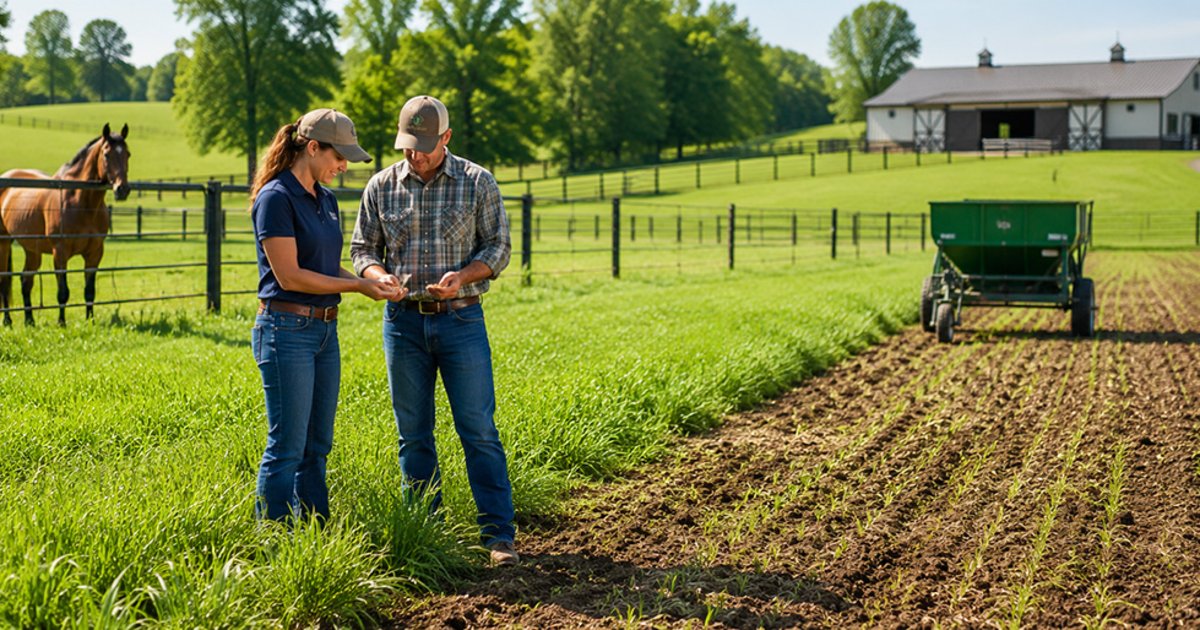
Cool-season grasses generally establish best when seeded in late summer to early fall or in early spring, when soil is moist and temperatures are moderate. Test your soil first so you can correct pH and fertility before planting. Keep horses off newly seeded ground until the grass is well rooted, otherwise hooves pull up seedlings before they establish.
What toxic plants should I remove from my horse pasture?
Walk your fields regularly and learn the poisonous plants common to your region. Frequent offenders include ragwort, bracken fern, nightshade, buttercup, and wilted red maple leaves. Horses often avoid toxic plants when good forage is plentiful, but overgrazed pastures push them to nibble weeds. Remove suspect plants, keep grazing pressure sensible, and ask your vet or extension office to identify anything unfamiliar.