
Featured Sponsor: West Coast Footings
West Coast Footings
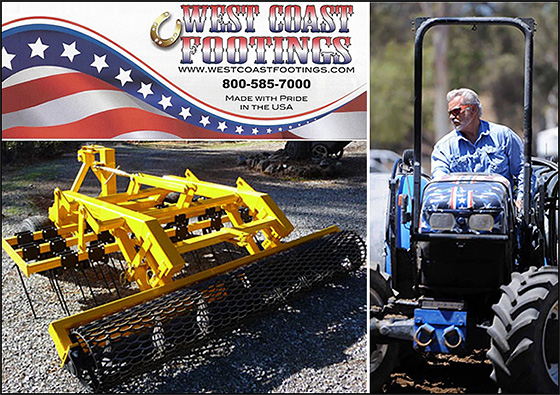
Whether you are looking for Footings, Footing Additives, Arena Grooming Equipment or Arena Watering Equipment, we have it all! Water on Wheels, for even arena water saturation without puddles! Build a proper arena base, find the right additive, and keep your horse sound and confident. New Harrow designs - advancing arena grooming to a higher level!
Learn more about West Coast Footings →
See all Horse Arenas options below
Horse Arenas Categories
12 product categories
📋
Other Types of Products we Recommend
Curated picks from across InfoHorse.com — most relevant first


Free horse tools
All 7 free tools →
Horse Arenas — Frequently Asked Questions
Do I need a covered arena or is an outdoor arena enough?
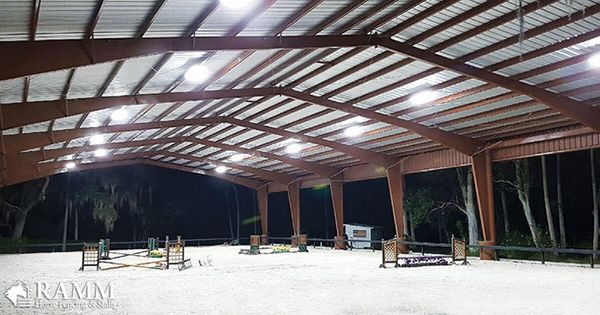
It depends on your climate and how often you ride. An outdoor arena costs less to build and works well in mild, dry regions, but rain, snow, and mud can shut it down for days. A covered or indoor arena lets you ride year-round and protects footing from weather, though it requires a bigger investment and good ventilation to control dust and moisture.
What is the best footing for a horse arena?
Good footing gives cushion and grip without being deep or slippery. Sand blended with fiber or rubber additives is a common all-purpose choice because it drains well and stays stable. The right depth matters more than the material: too shallow jars joints, too deep strains tendons. Match footing to your discipline, and keep it dragged level so horses work on an even, forgiving surface.
How do I keep dust down in my riding arena?
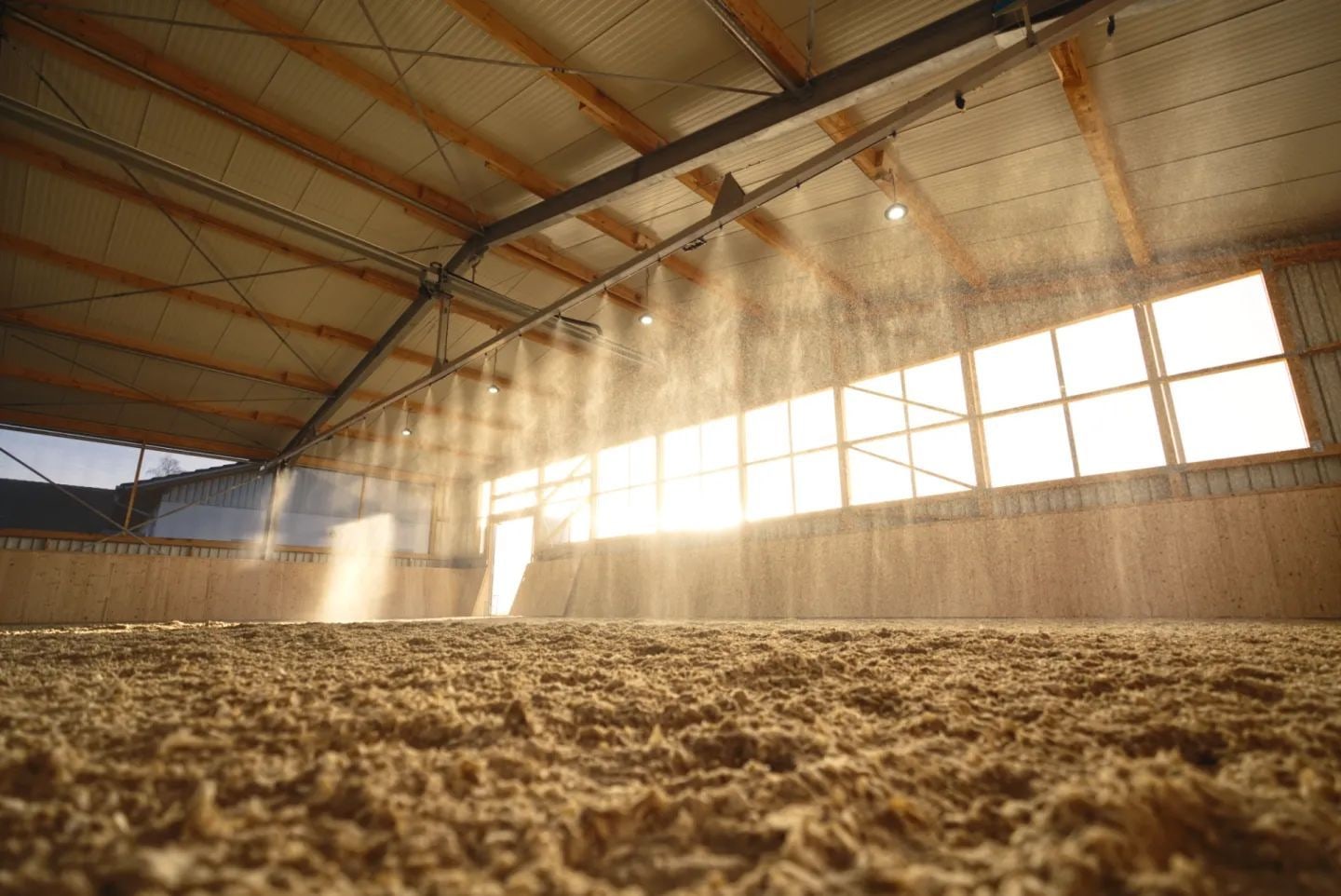
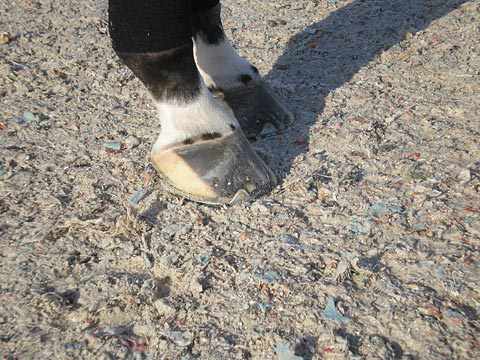
Dust comes from footing that has dried out and broken into fine particles. Regular watering is the simplest fix, and adding fiber, wax-coated, or salt-based additives helps the surface hold moisture longer between waterings. Good drainage and a solid base keep footing from breaking down too fast. Dragging evenly and topping up material as it wears also reduces the dust horses and riders breathe.