How Much Does a Horse Cost?
Estimate the real annual and monthly cost of owning a horse — boarding, feed, farrier, vet, insurance and more — plus a recommended emergency fund and first-year buy-in.
Your estimated horse cost
| What you'll pay for | Estimated range |
|---|
Vetted brands & services for owners
InfoHorse sells nothing — these are listed by Ann's vetting, never by who pays.
A general planning estimate, not financial or veterinary advice. Your actual costs depend on your region, your horse, and your choices.
How Much Does a Horse Cost? The Real Numbers Most New Owners Never See Coming
The purchase price is just the down payment on a lifestyle. Bob's honest breakdown walks through the real monthly math — board, feed, farrier, vet — and the emergency fund that catches new owners off guard.
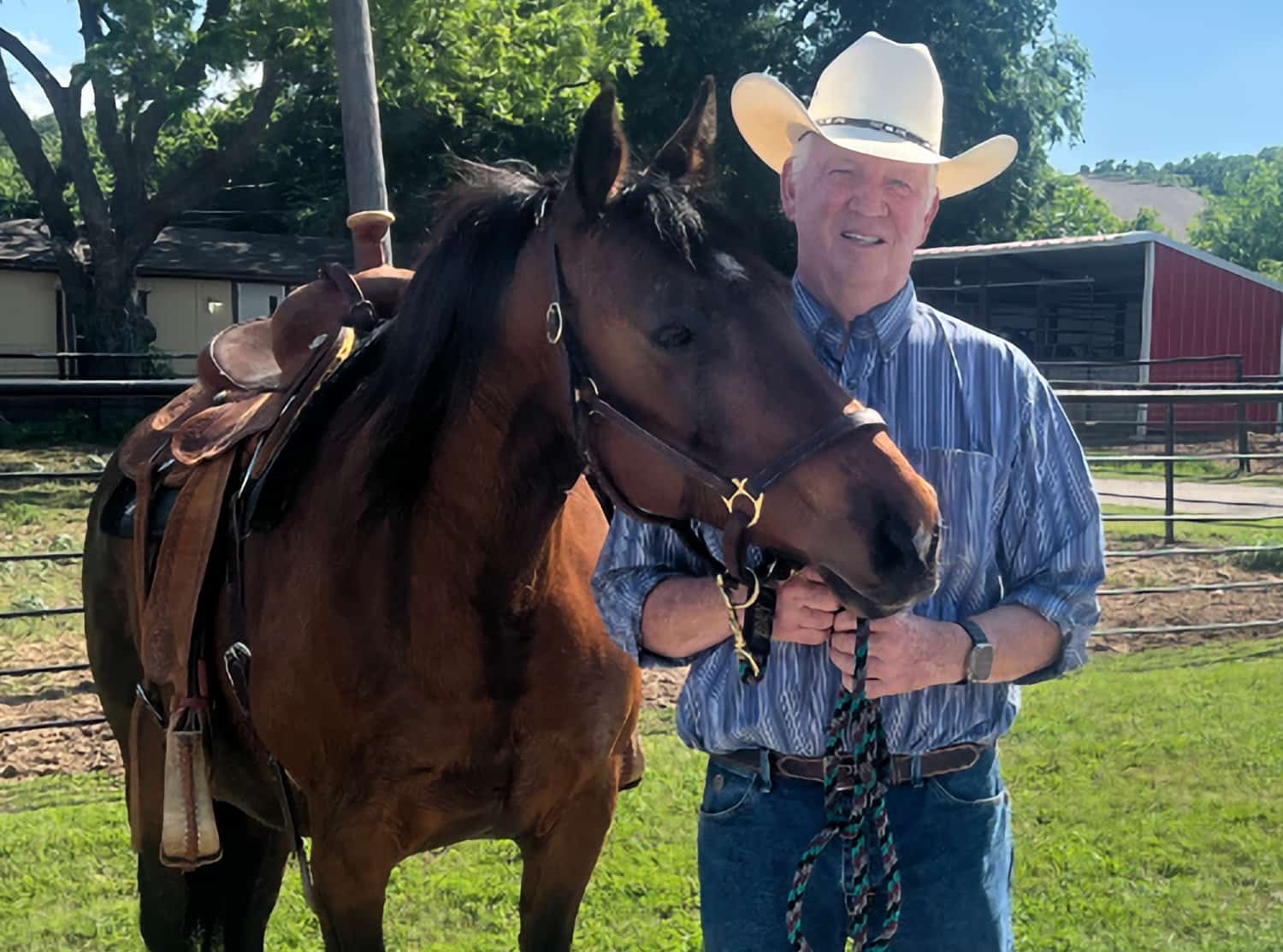 By Bob Pruitt · Co-Founder & Editorial Curator, InfoHorse.com — a lifelong horseman of 50+ years, helping owners budget realistically since 1997.
What does a horse really cost?
How we estimate these costs
The ranges in this calculator are compiled from published university-extension equine ownership budgets (Penn State, the University of Minnesota, Rutgers, and Oklahoma State, among others) and cross-checked against current pricing from the brands and services listed across InfoHorse.com. We then adjust for your region, since boarding, hay, and veterinary fees swing the most by location — in higher-cost metro and coastal areas, full-care boarding alone can run $2,000–$3,500+ a month, well above the national averages used here. Every figure is shown as a low-to-high range rather than a single number, because no two horses — or two barns — cost exactly the same. Use it to build a realistic budget, then confirm the big items (boarding, hay, and farrier) with local quotes.
Sources & methodology
Our ranges are compiled from university Cooperative Extension equine budgets and veterinary sources, adjusted for region and shown as ranges because no two horses or barns cost the same. Key references:
- Cost of Horse Ownership — Extension Horses (U.S. Cooperative Extension equine consortium): itemized annual budget — feed, foot care, vet, facilities and tack.
- Caring for Horses on a Budget — University of Minnesota Extension: budget-conscious horse-care strategy and the major cost drivers of keeping a horse.
- Equine Pre-Purchase Exams: What to Expect — Cornell University College of Veterinary Medicine: scope of a pre-purchase exam (basic vs. radiographs), behind the first-year exam range.
- How Much Does a Farrier Cost? (2024) — EQUUS / My New Horse: per-visit trim and shoeing prices and the standard 6–8 week farrier cycle.
- Your Guide to Colic Surgery in the Horse — SmartPak Equine (veterinary-reviewed): colic-surgery cost (which can reach ~$20,000), behind the emergency-fund guidance.
Common questions about horse costs
How much does it cost to own a horse per year?
For most pleasure horses in the U.S., ongoing ownership runs roughly $3,000 to $12,000+ per year. Full-care boarding is the biggest driver and can push it higher; keeping a horse at home is cheaper monthly but adds facility, hay and bedding costs. Use the calculator above for a range based on your boarding, region and choices.
How much does a horse cost per month?
Monthly costs commonly land between about $250 and $1,000+. Pasture or self board with barefoot trims sits at the low end; full-care boarding with shoes, training and insurance sits at the high end.
What is the most expensive part of owning a horse?
Boarding is usually the largest single cost, followed by feed/hay and farrier care. Veterinary emergencies are unpredictable but can be the most expensive single event, which is why an emergency fund of $1,000–$10,000 is strongly recommended.
How much should I budget for emergencies?
Keep an emergency reserve of at least $1,000–$2,500, ideally up to $5,000–$10,000. A colic surgery alone can run $5,000–$10,000+. Major-medical insurance is an alternative or supplement to a cash reserve.
Is it cheaper to keep a horse at home?
Often yes on a monthly basis, because you skip boarding fees — but you take on hay, bedding, fencing, shelter, water and facility upkeep, plus your own labor. The first-year setup (fencing, shelter, equipment) can be significant.
How much does the first year cost?
The first year adds one-time costs on top of annual care: the purchase price, a pre-purchase vet exam ($250–$1,000), and initial tack and setup ($500–$2,500+). The calculator can switch to a first-year view that includes these.