
Can My Truck Tow My Horse Trailer?
Enter your truck's ratings and your loaded trailer for a clear safety read — within limits, near the limit, or over — with your tongue-weight target. A general guide; always verify against your door sticker and owner's manual.
Towing safety result
Find trailers, trucks & towing gear
Trailer & towing advertisers
InfoHorse sells nothing — these are listed by relevance, never by who pays.
A general safety guide from the numbers you entered — not an engineering or legal certification. Verify against your vehicle's door sticker and owner's manual.
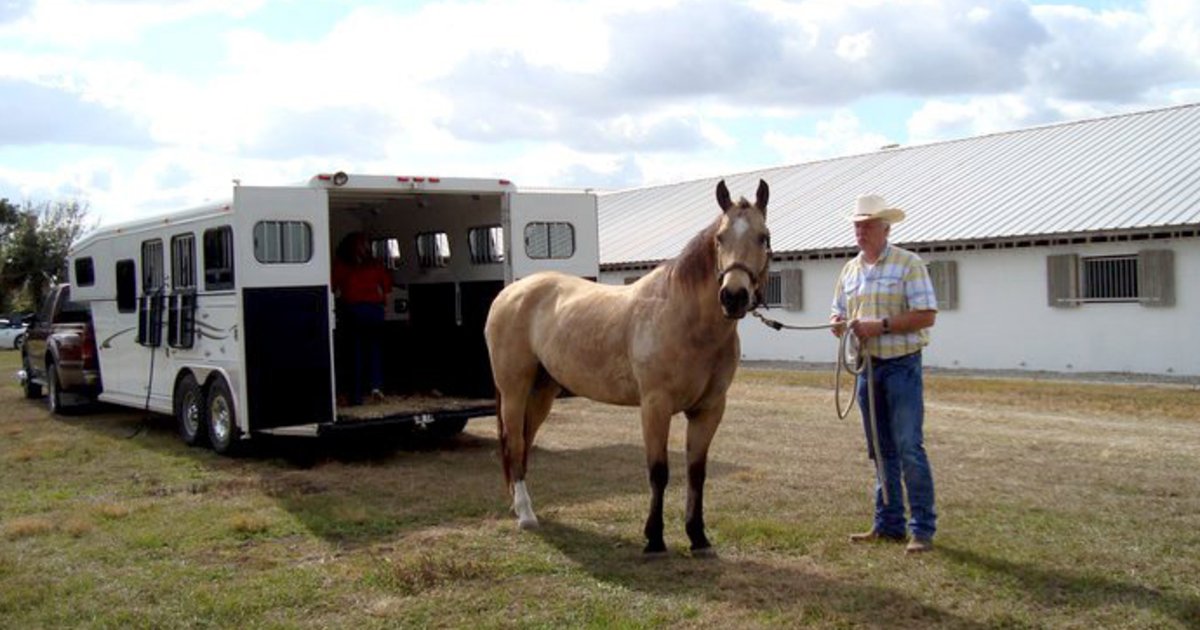
Horse Trailer Buying Guide: Bumper-Pull vs Gooseneck, Sizing & Safety
Choosing the trailer that matches your truck. Bob's guide breaks down bumper-pull vs gooseneck, sizing for your horses, matching your tow vehicle, and the safety features that matter most.
 By Bob Pruitt · Co-Founder & Editorial Curator, InfoHorse.com — a lifelong horseman of 50+ years who has hauled horses for decades.
How to know if your truck can tow your horse trailer
How this calculator works
We add your trailer's empty weight to your horses and gear to estimate the loaded trailer weight, then apply a typical tongue-weight percentage for your hitch type (about 12% for a bumper-pull, about 20% for a gooseneck). The combined truck-plus-trailer weight is checked against your GCWR, and your payload is checked against passengers + cargo + tongue weight. We flag the setup green (comfortably within limits with margin), amber (legal but near a limit — verify on a scale), or red (over a limit). These are estimates from the numbers you provide; the only authoritative figures are on your vehicle's door-jamb sticker and in the owner's manual, and the only true weight is a certified scale.
Sources & methodology
The towing math here follows university Cooperative Extension trailering-safety guidance and the SAE standard behind manufacturer tow ratings. Key references:
- Understanding the Horse Trailer Rig (PPP-114) — Purdue University Extension: GCWR, ~10% coupler/tongue weight, and trailer sway from too-light a tongue.
- Selecting a Tow Vehicle (FS-955) — University of Maryland Extension: matching a tow vehicle to a loaded horse trailer (GVWR/GCWR).
- SAE J2807 — SAE International: the engineering standard that defines manufacturer tow ratings (GCWR and trailer weight rating).
- Towing Capacity Guide — Kelley Blue Book: payload vs. towing capacity (the door-jamb sticker) and the ~80% safety-margin rule of thumb.
Common towing questions
What truck do I need to tow a horse trailer?
It depends on loaded weight, not horse count. A two-horse bumper-pull often needs a half- to three-quarter-ton truck; bigger goosenecks usually need a three-quarter- or one-ton. Check GCWR and payload with margin.
What is GCWR?
Gross Combined Weight Rating — the most your truck and loaded trailer can weigh together. Everything combined must stay under it, mainly to protect your brakes and drivetrain.
How much tongue weight should I have?
About 10–15% of the loaded trailer for a bumper-pull, 15–25% for a gooseneck. Too little causes sway; too much overloads the truck's rear axle and payload.
Why does payload run out before towing capacity?
Because tongue weight, passengers, and cargo all use payload. A truck rated to tow a lot can still be over its payload once the hitch load and a full cab are added — check both numbers.
Is it okay to tow at maximum rating?
It's safer to leave a margin (aim for ~80% of limits) so you have room for hills, wind, a heavy horse, and emergency stops.