

Equine Professionals’ Growing Concern: Ice-melt Dust Control, Arena Footing Disposal, and their Environmental Consequences
Magnesium chloride, the ice-melt product commonly used to control dust in horse arenas, can cause lasting damage to soil structure, contaminate groundwater, harm trees and pasture grasses, and accelerate the corrosion of farm equipment. When exposed to moisture it dissolves into highly mobile ions that travel through soil and water, increasing the risk of runoff pollution and long-term environmental damage. Safer dust control pairs a consistent dragging schedule with products made from gentle, eco-friendly ingredients that are safe for plants, trees, pastures, groundwater, animals, and people.
Equine professionals assess the effects of using magnesium chloride for dust control on soil, groundwater, trees, streams, ponds, MgCl2 disposal, land stewardship, and potential eco-friendly dust control options.
Magnesium chloride is commonly used to control dust in horse arenas, but research indicates it can cause lasting damage to soil structure, contaminate groundwater, harm trees and pasture grasses, and accelerate the corrosion of farm equipment. When exposed to moisture, magnesium chloride dissolves into highly mobile ions that travel through soil and water, increasing the risk of runoff pollution and long-term environmental damage. Understanding these effects enables equine professionals to make safer, more sustainable choices that promote healthier footing and dust control products without compromising health.
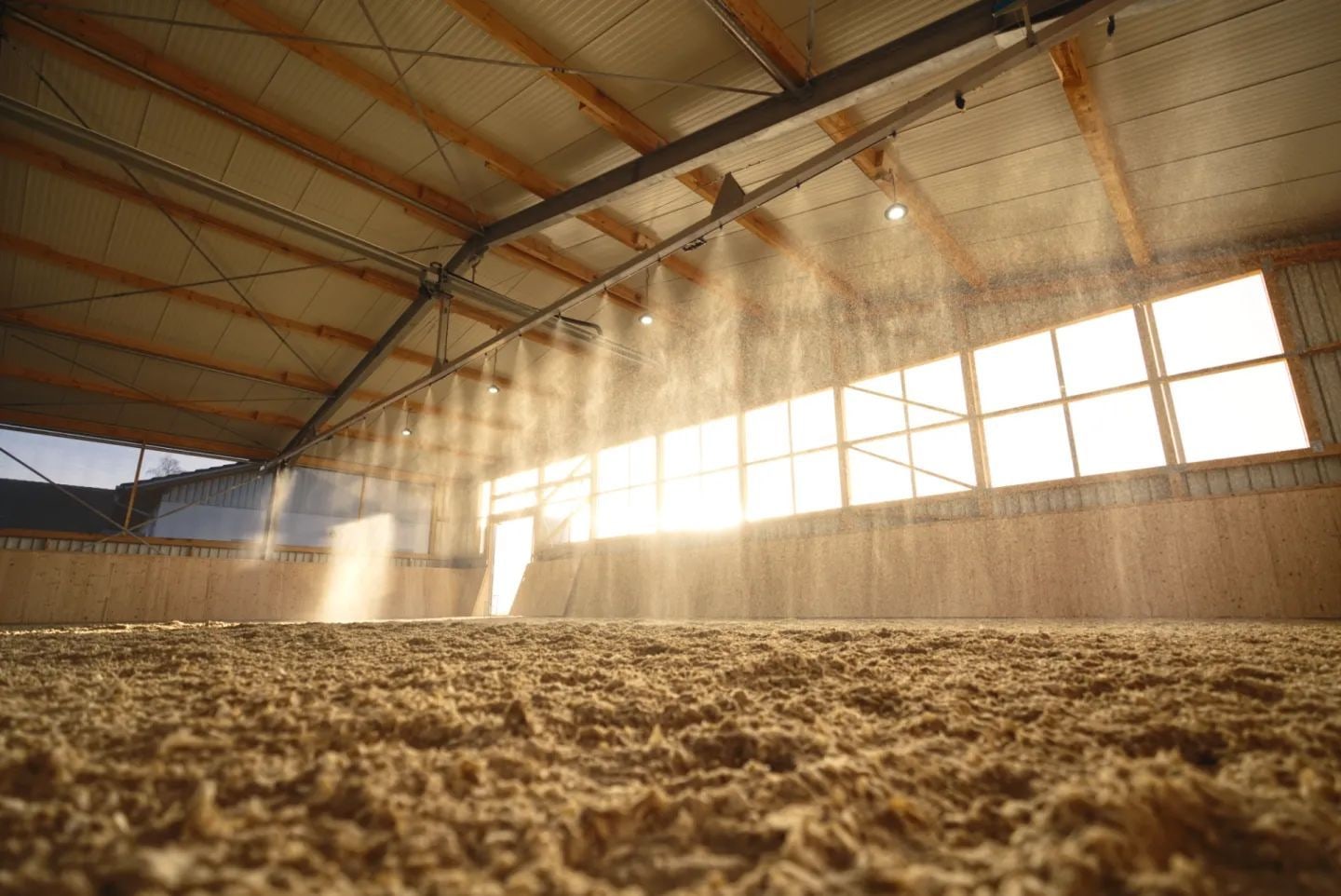
Dust Control is a daily reality for equine facilities, but the materials used to manage airborne dust can have lasting effects beyond the riding surface. In recent years, greater attention has been paid to how commonly used chloride-based products interact with soil, vegetation, and water systems over time. Understanding these interactions is increasingly important for horse owners, land managers, and professionals tasked with balancing respiratory health, land stewardship, and long-term property sustainability.
Why We Need Dust Control — Your Boots Don’t Lie
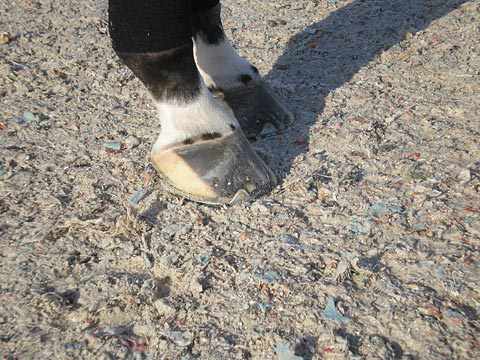
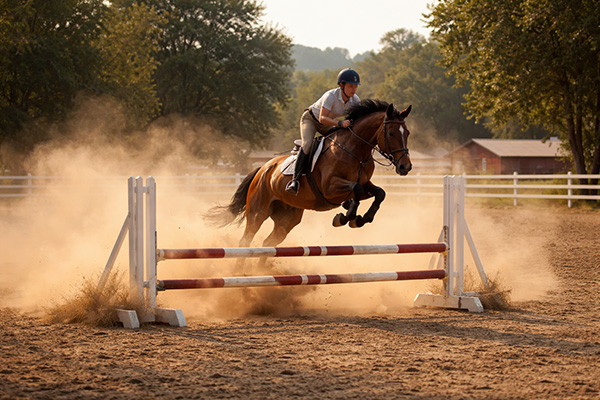
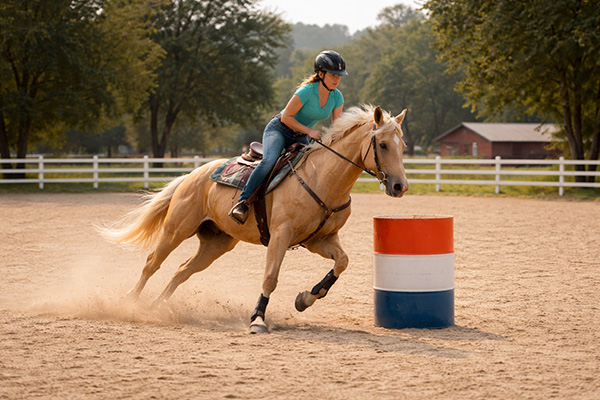
Over an 8-hour period, the Department of Labor and others would advise you not to inhale more than a tiny, microscopic number of FCS particles. This is difficult to do on a day filled with lessons. Take a glance at your boots after dragging your arena — highlights the importance of dust control.
Dust to fines. All sand contains Free Crystalline Silica, a well-documented carcinogen. Recently, the U.S. Department of Labor revised its PEL after reviewing 50 years of outdated scientific studies. In 2016, the Department of Labor lowered the limit to 50 µg/m³ over an eight-hour period and halved that for miners.
Collectively, the American Lung Association, Osha, the Department of Labor, and Niosh-CDC consistently warn that repeated unprotected exposure to tiny amounts of FCS can cause chronic, often fatal diseases while stressing “there is NO Safe Exposure Limit.”
Best Steps Toward Dust Control
- Choosing a type of sand with less CFS
- Request that the majority of your new footing material be sifted through a #200 sieve
- Dragging on a schedule reduces breaking particles into respirable fines
- Select a dust control product that uses gentle ingredients that are eco- and pet-friendly, safe for children, plants, trees, pastures, groundwater, ponds, animals’ hooves, and the environment.
Recommended Arena Maintenance Schedule
Your disciplines, footing type, and usage dictate the ideal dragging schedule:
- Low Use (1–2 horses/day): Once a week
- Moderate Use (2–4 times a week): 2–4 times a week
- Heavy Use (Daily or 10+ horses): Daily, sometimes twice a day
- Competitions/Events: Several times per day
How Ice-melts React to Soil and Soil Mixtures
Given dust in both outdoor and indoor environments, equine professionals use various dust-control products to manage it. A growing concern is the use of ice-melt products, magnesium chloride (MgCl₂), or chlorides as arena dust suppressants.
Arena footings are not inert; they collect manure, urine, hay, magnesium chloride, sand, dirt, salt, or synthetic oils. The footing also affects magnesium behavior, and environmental impact depends on your sites, rainfall, snowmelt, and soil drainage.
Long-term Effects on Contaminated Soil
For equine owners, the environmental consequences of chloride accumulation extend beyond indoor and outdoor arenas. Soil degradation can impair pasture growth, limit nutrient uptake, and harm water sources. Over time, this can affect forage quality, increase erosion risk, and compromise long-term usability and property values.
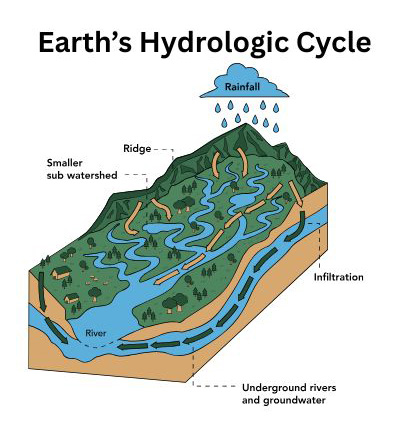
Arenas to Oceans — Water Connects Everything
The Hydrologic Cycle continuously moves water through evaporation, condensation, precipitation, runoff, and infiltration into rivers, streams, creeks, or rock-bed cracks, then into the groundwater table, gradually flowing toward the seas via underground channels.
Erosion and Heavy Metal Mobilization
Eroding soil contaminated with MgCl₂ can increase the solubility of heavy metals bound to clay particles. When precipitation occurs, there is a high chance that these metals will be released into the groundwater, streams, fishponds, and wells, causing contamination. Metals commonly mobilized by magnesium chloride runoff include Cadmium, Copper, Lead, Zinc, Chromium, Nickel, and Iron.
Damage to Trees and Vegetation
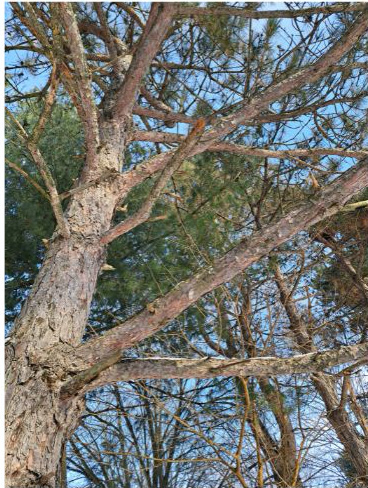
Horses need trees. Tree cover offers natural shade that helps horses regulate their body temperature, reduce heat stress, and prevent dehydration and electrolyte imbalance during hot months.
Symptoms of chloride damage to trees include thinning foliage, dying bare branches and “tip burn,” marginal necrosis or “browning of the leaf edges,” and leaf scorching. High concentrations weaken or kill plants.
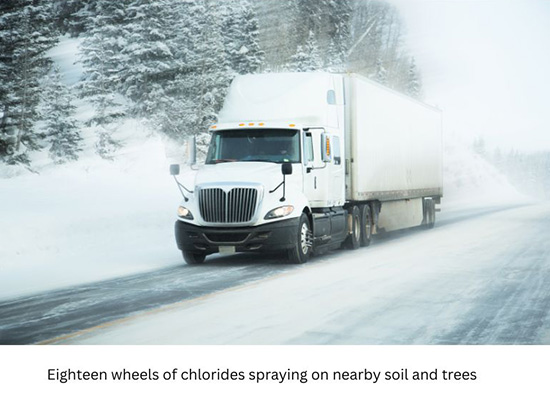
Corrosion: Personal Property Damage
Magnesium is hygroscopic; it attracts and holds water molecules from the surrounding air. Unique to MgCl₂ is its propensity to “deliquesce” — absorb moisture from the air and form a corrosive solution on metal. Parked horse trailers, tractors, drags, campers, motorhomes, pasture gates, hinges, or your favorite metal pick may be at risk.
Stewardship for Equine Professionals
- Promote a healthier environment by selecting environmentally safe, pet- and kid-friendly arena dust-control products that protect your property, trees, pastures, land, and people.
- Conserve natural resources through core practices such as maintaining soil health, protecting water bodies, preserving vegetation, and selecting safe products.
- Once footing material or dust control additives have been selected, monitor them throughout their entire lifespan to ensure responsible management and disposal.
- Strive to leave the land and soil better than we find it, ensuring resources like clean water and healthy soil remain sustainable.
- Remember, prevention and foresight are the key principles.
This article is intended to be strictly used for information or educational purposes only. These references are not meant to be comprehensive and do not preclude or exclude the use of other technically sound practices.