

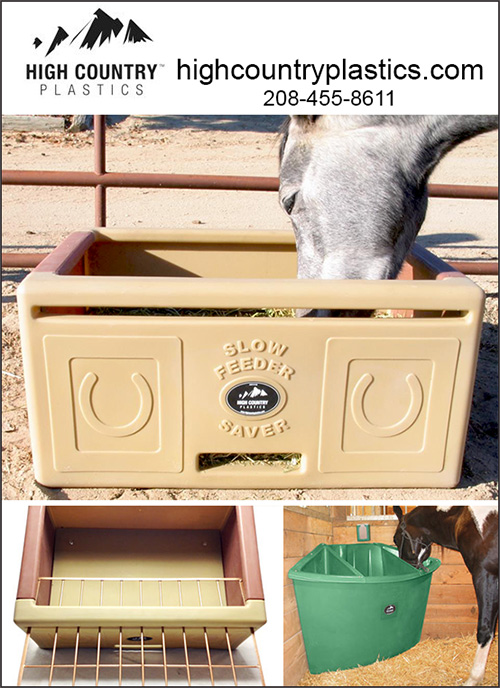
Best Feeder for Horse Stalls Learn more at our Horse Hay Feeders Page!
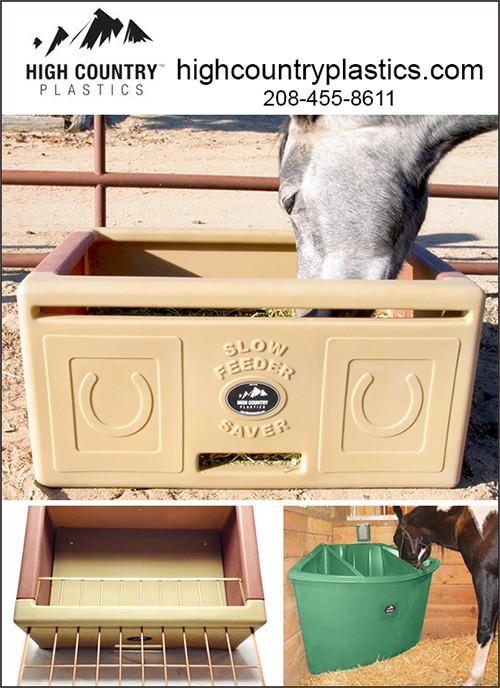
The best feeder for a horse stall works with the horse’s nature as a grazer: it holds enough hay that the horse never feels desperate, has deep pockets for grain and salt, lets the horse eat in a natural head-down position—the posture in which a horse’s teeth actually come into alignment—and is tough enough to stand up to whatever a bored horse puts it through. Feeders hung high on the wall force the horse to pull hay out and eat it off the floor, where it picks up colic-causing material. A well-stocked slow feeder becomes a grazing station, and most horses will self-regulate their intake once hay is always available.
Horses are grazers. They are designed to take in small meals all day long. Too often, horse owners forget this or are unable to cope as they rush off to work or to do farm chores. Thus many horses are fed early in the morning morning and later at night-- leaving them the entire day to fuss with rumbling tummies that want to eat. Horses become hungry-- and bored-- standing in their horse stalls.
Too often their feeders become "entertainment toys" or "rump scratchers" as they try to deal with standing in their stalls.... grains and hays are gulped down without the benefit of proper chewing because they were so hungry when they finally got their food that they didn't take time to chew properly. Grains are often spilled on the floor, as is the hay which can be tossed to the floor where it can become soiled and unfit for proper consumption.
You see, we've transplanted horses from their natural environment to one that was more convenient for our purposes. Box stalls or paddocks removed the access to free choice grazing and the slow steady intake of feed. We tried every unnatural thing we could think of and then some to feed our horses. We hung the feeders high on the wall never once considering that horses teeth do not come into alignment until their head is down. The horse has to pull the hay out of the feeder and eat it off of the ground ingesting all kinds of nasty colic causing material.
We also took it upon ourselves to feed horses a couple of flakes of hay twice a day. It became much more convenient for us but not so convenient for them. A horse has a small stomach relative to their body size. When we feed a couple of flakes twice a day our horses have a tendency to gorge the feed rapidly. The hay and its nutrients are utilized with a very low degree of efficiency. They then wait it out for 10 hours until we show up to feed them again. This whole time their brain is telling them to eat but the availability of feed is not there.
What if you had a feeder that was designed to hold a larger amount of hay, so that horses didn't feel desperate about eating?
What if your feeder had deep pockets for grain and salt?
What if your feeder allowed your horse to chew and eat in a natural "head down" position, instead of high up on wall as with some other feeders?
And, finally, what if your feeder was tough enough to stand up to the rigors that horses can put any object through?
I think you could safely say that if you could find a feeder to answer YES to all those questions, you would truly have the best feeder for your horse stall!
But what is this "Slow Feeder" business everyone is talking about? I am asked more and more lately about slow feeders for horses and whether or not our company is coming out with a slow feeder anytime soon.
To understand slow feeding we need to understand how a horse is programmed to eat vs. how we would like them to eat. Horses are grazers by nature and if you take the time to observe them in a natural setting you will notice that their head is down and they are eating approximately 17 hours each and every day that feed is available to them. On average a horse will eat close to its own body weight each month. This is nature's way of slow feeding. It has worked since the beginning of time and long before horse feeders were ever invented.
Slow horse feeders are actually designed to say Yes to all the questions horse owners have been asking. It serves as a grazing station for your horse. The first time you use the feeder offer 4-6 flakes of hay to your horse and he will probably eat it. You trained him to. Give him more. He will eventually give up trying to eat everything you offer him and start eating out of the feeder slowly consuming the feed 17 hours per day. Just keep hay in the feeder. Most horses will self regulate their intake to suit their needs. A slow feeder!
I see ads for all kinds of gimmicks to slow feed horses and I am amazed at the lack of understanding we demonstrate as the caregivers to the horses that serve us so well. Start feeding your horse the way nature intended with a automatic horse feeder-- you will find, as have hundreds of top horse trainers throughout the country, that it is the Best Horse Stall feeder on the market-- and you'll never want to go back to the old way of feeding again. Our feeders are available at Valley Vet, Stateline Tack, Schneiders Saddlery, Amazon, Smart Pak Equine and many other places!