Per Nature's Lawn: thick, deep-rooted grass improves drainage cheaper than drain tile.
Wet, slippery soil causes leg injuries, hoof disease, and constant mud problems.
Compacted soils—clay or sand—both eventually fail without active management.
Bare or thin pasture areas should be reseeded immediately.
Proper fertilizing accelerates grass growth and root depth where it's needed.
Caring For Your Horse Pasture and Paddock
Paddock and pasture safety and health should be the concern of all stable owners. by Nature’s Lawn
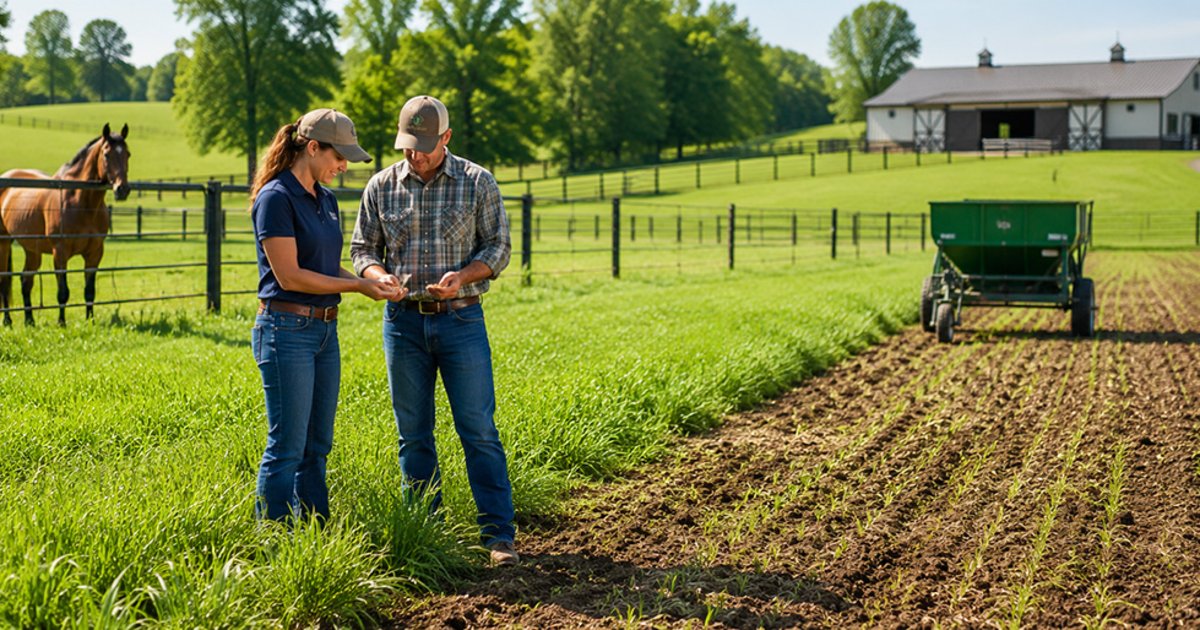
Good paddock and pasture care starts with drainage—wet, slippery soil is one of the greatest sources of leg injury to horses and also contributes to hoof disease. One of the easiest fixes is thick, deep-rooted grass: seed any bare or thin areas right away, fertilize properly, and stick to all-natural products such as alfalfa meal, fish emulsion, and kelp, since horses may ingest whatever goes on the grass. Healthy grass rewards the effort, producing two to three times the growth of a neglected stand—which means happier horses and likely a smaller feed bill.
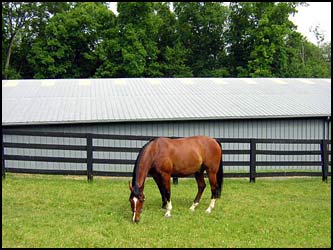
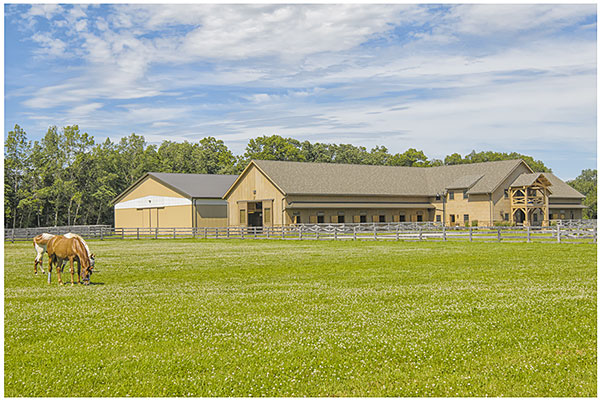
Most of you do well enough when it comes to the barn and stalls, but what about the grounds surrounding these building? Does it provide safe footing for the horses? Is the grass thick and healthy? Is it nutritious? Or has all of this been overlooked?
One of the greatest sources of leg injury to horses is wet, slippery soil. This condition also contributes to hoof disease and, of course, muddy horses. When drainage is poor, you can be sure that the soil is compacted. Water stays on top and doesn’t move through deeper into the ground. Clay soils are very tight and by nature have poor drainage. But even sandy soils eventually become compacted due to the pressure and weight of the horses. To prevent injury it is imperative that you improve the drainage around your stable, no matter what type of soil.
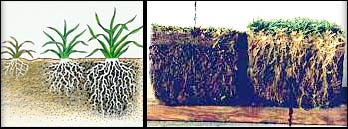
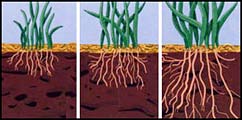
One method of improving drainage is to install drain tile. But this can be a very costly project. One of the easiest and maybe least thought of ways to improve soils and drainage is to make sure the grass is thick and deep-rooted. Any bare or thin grass areas of the paddock should be seeded right away. Proper fertilizing will encourage better grass growth. Grasses not only absorb water though their roots, but they also help break up clay and keep the soil more open when their roots are full and deep.
A second benefit of having a healthy grass in the paddock and pasture is that you can get two or three 3 times as much growth out of it than you’ll get with a neglected grass. This means happier horses and probably a smaller feed bill. You should know that if you pasture your horses in the spring, the grass at that time will have higher water content than the rest of the year. Make sure you always have dry hay available for necessary roughage. If you are a cautious horse owner, you should be concerned about whatever you put on the grass that your horse may ingest. We suggest using all-natural, safe products that will contribute to both the lawn’s and your horses’ health. Some examples of this are Alfalfa Meal, fish emulsion and, of course, Kelp (seaweed).
Nature’s Lawn & Garden, Inc. offers two products that can be of great benefit to the stable owners in terms of improving the safety and the health of their paddocks and pastures. They’ll work on virtually every type of soil in every part of the country.
Aerify! Liquid Soil Aerator and Clay Loosener will help open up compacted
soils, and break up clay and hardpan. This improves drainage and allows the soil to dry much faster after rains. Aerify also helps grasses to get deeper rooted and thicker. Grasses fill in faster and are not as easily killed off by normal stable traffic. The result is not just a less muddy paddock, but also a much safer paddock.
Nature’S Soil Activator (and Energized Plant Food) is designed to improve not only the soil, but the health and nutritional quality of the paddock grasses as well. It is remarkable to note that the same two ingredients (Kelp and Humic Acid) that bioactivate soils so well, are also two of the best plant health foods there are. There is no better natural micronutrient source (for both plants as well as animals) than Kelp. It contains the vast array of health enhancing trace elements that could only come from the sea. You will quickly find that plants treated with our Nature's Soil Activator are much healthier, deeper rooted, nutrient dense and vibrant. It is no wonder that pasture animals will seek out and thrive on fields treated with Nature's Soil Activator.
💬Questions Readers Commonly Ask (FAQ)
Why does grass cover help with drainage?
Per Nature's Lawn: deep, thick grass roots break up compacted soil, absorb water, and create channels for drainage. Grass-covered pastures handle heavy rain far better than bare or thin-grass paddocks—and the cost difference is seed and fertilizer instead of expensive drain tile.
What's the right way to reseed a thin pasture?
Per Nature's Lawn: clear bare areas of debris and old roots, lightly till or scratch the surface, broadcast quality pasture-grass seed at recommended rates, and fertilize for establishment. Keep horses off the seeded areas until grass is established (typically 6+ weeks).
Should I always rotate pastures?
Per Nature's Lawn: yes—rotation lets grass recover, breaks parasite cycles, and prevents overgrazed dead spots. Two to four pasture sections per herd, with sacrifice paddocks for wet weather, is the standard pattern for healthy pastures over decades.
How do I know if my soil is compacted?
Per Nature's Lawn: water sitting on top after rain, soil resistant to a probe or screwdriver, thin grass that won't thicken, and persistent mud near gates and water troughs. Compacted soil is the silent driver of many pasture problems.
Is fertilizing safe for horses?
Per Nature's Lawn: yes, with proper application timing. Most pasture fertilizers are safe for horses to graze on a few days after application; check the label. Avoid grazing immediately after spreading and let the first rain incorporate the fertilizer into the soil.
📋
Recommended Products
Curated picks from across InfoHorse.com — most relevant first