

How To Ride A Big Motor Horse
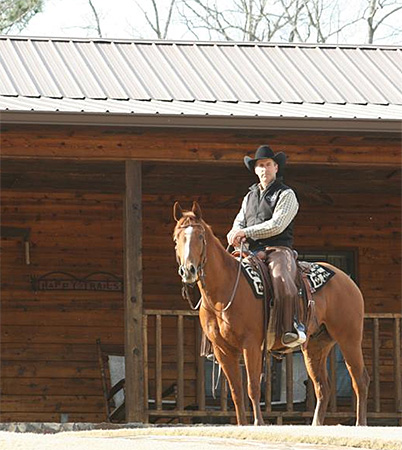
How To Ride a Horse With A Lot of Forward Impulsion With Richard Winters Horsemanship
The key to riding a hot, forward horse is resisting the urge to constantly check the reins—if you keep your foot on the brake, pretty soon you won’t have any brakes. Instead, ride with slack in the reins and ask the horse to take responsibility for regulating his own momentum: put him in a trot and use bending circles and figure eights to make going faster difficult, and if he runs off at the lope, use your inside rein and inside leg to bend him down to a walk before asking again on a loose rein. Extra warm-up time, long trots of two or three miles down the trail, and turnout time to move at liberty all help channel that excess energy in a positive manner.
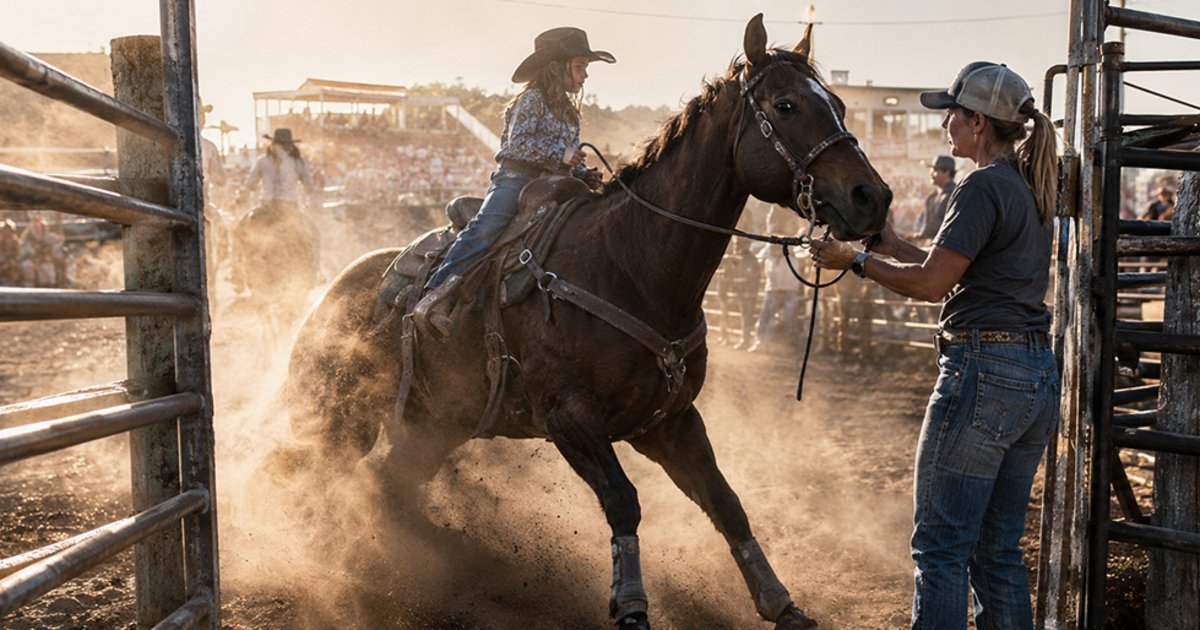
Big Motor refers to a horse that tends to be hot and have a lot of forward impulsion. These horses can take a lot of extra time in warm up to be mentally prepared for the job at hand. A horse with a big motor has a tendency to put 50 pounds of energy into what should only be a 25 pound job. They can also be fractious and get worried if a rider applies pressure inappropriately without good feel.
I recently purchased a horse with a big motor. Bugs Boony is a four-year-old gelding out of a Shining Spark mare and by the great Stallion Peptoboonsmal. He was shown successfully as a three-year-old at the Nrcha Snaffle Bit Futurity. However, because of his nature and the pressure of the show, he is now a little worried about life and needs some time to regroup and regain his mental composure. Let me share with you a few things that I'm doing to help this colt.
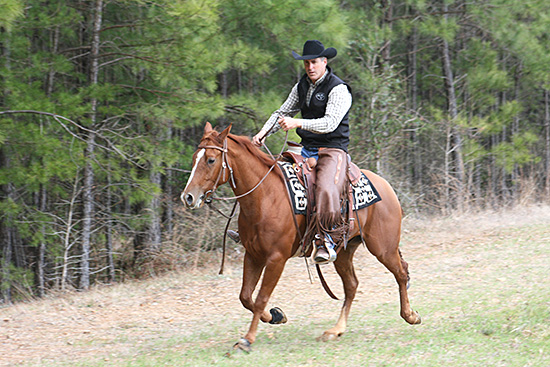
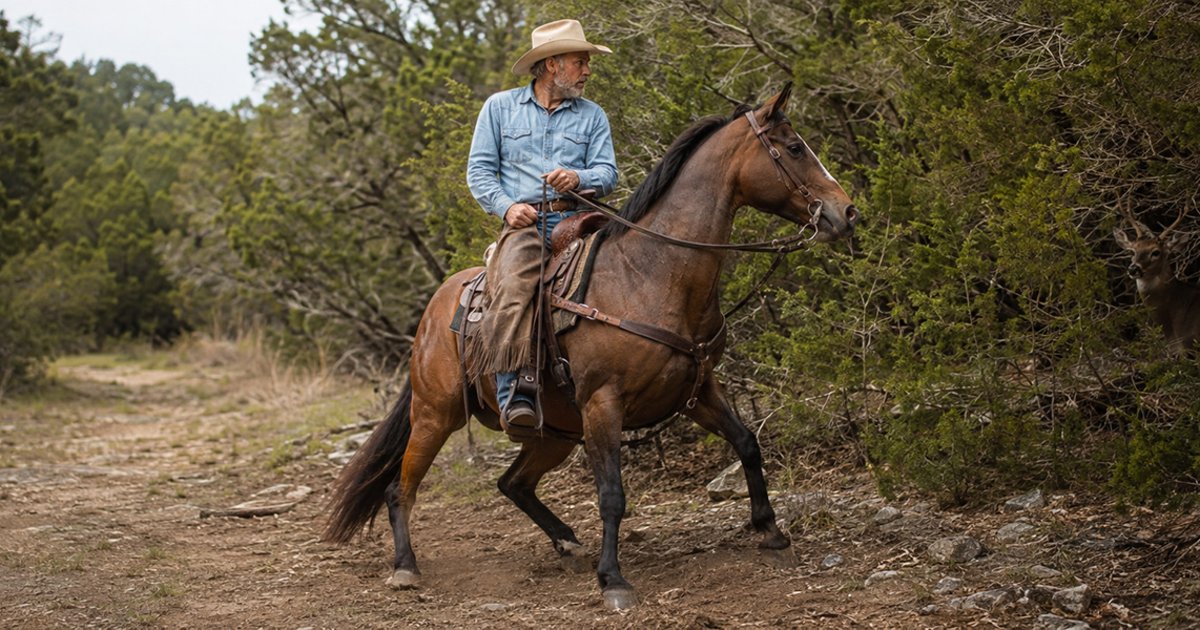
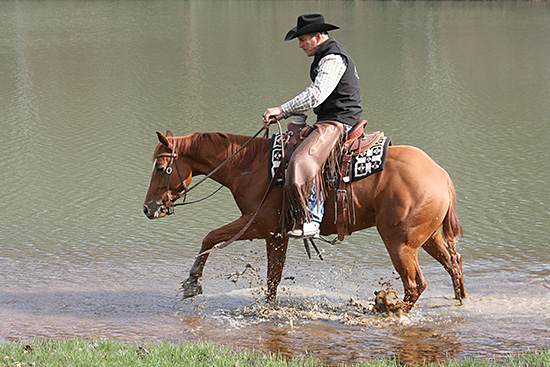
Do Something Different - Every day does not need to be a training day. Taking this colt out on the trail, learning how to cross water and handle varied terrain, shows him that there is a life outside of the training arena and show pen. Picking up a long trot down the trail and going for two or three miles at that pace, allows him to warm up and relax physically, mentally and emotionally.
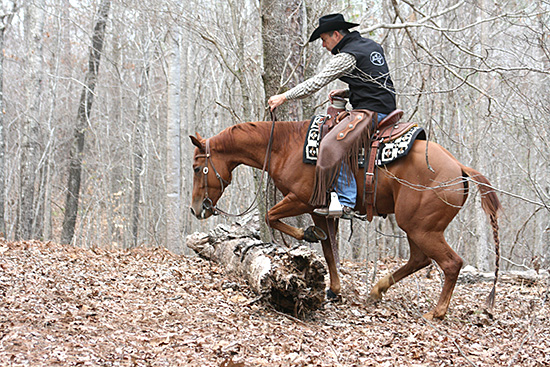
Don't Ride The Brake - If you constantly keep your foot on the brake, pretty soon you won't have any breaks. When riding a horse with a big motor and a lot of forward there's a tendency for us to continually check up on the reins in an attempt to slow the horse down.
I'm riding this colt with a lot of slack in the reins. I'm asking him to take the responsibility to regulate his forward momentum. Trotting is a great way to establish this. I ask My colt to trot and then I leave him alone. He can trot as fast as he wants but he is not allowed to break into the lope. I can help him maintain this speed and gait by bending him in circles and figure eights. The smaller circle will make it difficult for a big motor horse to go faster. Before too long this colt will decide that it makes more sense to slow down.
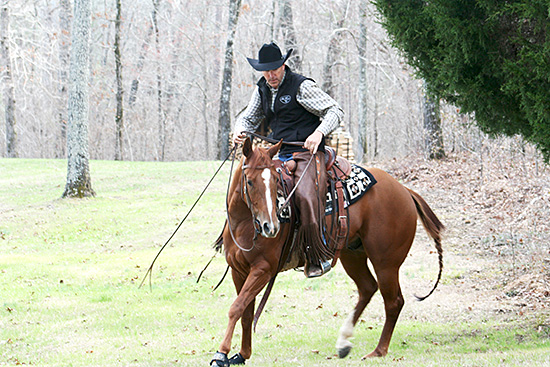
Bending To A Walk - I use this exercise when my colt is trying to run off when I am simply trying to lope relaxed circles. I will ask my colt to lope. If he begins to run too fast I will use my inside rein and inside leg to bend him immediately down to the walk. I will walk a small correct arcing circle until he's relaxed and organized. Then I will ask him to lope off again on a loose rein. Repeating this exercise numerous times will begin to change his mind about running off. You're simply making the right thing easy and the wrong thing difficult. Doing something other than pulling back on both reins works a lot better.
Just Hang Out - I teach a lot of horsemanship clinics. I'm generally on horseback and instructing for three hours in the morning and three more hours in the afternoon. I think this is going to be a great opportunity for this colt. All he's ever known is being saddled and trained for forty-five minutes and then put back in the stall for the rest of the day. This can be a difficult lifestyle for the big motor horse. Riding around the arena for a few hours at a time, demonstrating different exercises is going to be a positive opportunity for this colt's mental well being.
Turn Him Out - I recently had another big motor horse in training. Every day was a struggle to channel all of his excess energy in a positive manner. After a month or so I turned him out to live with three other horses in a small pasture. (He had been living in a stall.) I noticed a very positive change in his attitude after moving him out to the pasture. Having the opportunity to move at liberty for twenty -three hours a day put him in a much more receptive frame of mind when it came time for the one hour of training. Whether I can allow this colt to live in a pasture, or I just give him turn out time in the arena for a couple hours, I believe this will help my big motor colt.
This big motor can be a positive attribute when I'm trying to get down the fence to turn a cow. However, all this energy has to be harnessed and controlled. I'm going to continue this program for the next few weeks. I'll let you know how it works out!
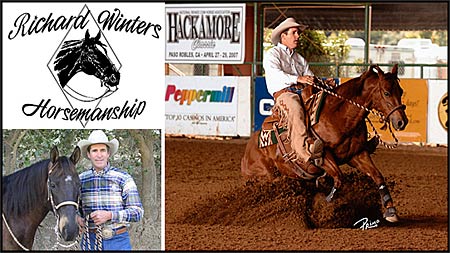
Richard Winters Horsemanship WintersRanch.com