

How to Remove Horse Manure from Your Pasture
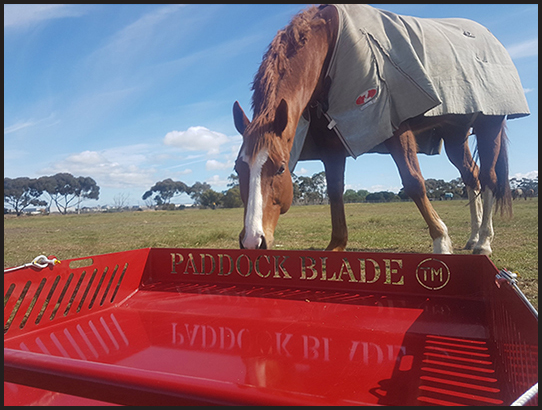
Article from Paddock Blade
There are four main ways to get manure out of a pasture: picking it up by hand with a pitchfork and wheelbarrow, dragging or harrowing behind a tractor or ATV to break piles down in place, composting collected manure to enrich garden soil, or towing a purpose-built collector such as the Paddock Blade behind an ATV or small tractor to wipe paddocks clean in minutes. Regular removal matters because accumulated manure breeds flies and internal parasites like strongyles, roundworms, and tapeworms, and the wet, dirty footing it creates contributes to hoof problems such as thrush and white line disease.
Managing the amount of manure in your paddocks and pastures is an overwhelming and often dreaded aspect of being a responsible horse owner. Alas, proper manure removal helps maintain a clean, healthy environment for your herd. It also contributes greatly to the health of your pastures.

Today, we're taking a look at the best ways to take the poop out of your paddocks. You'll come away with the best direction to take when it's time for your pasture cleaning and why it's essential for your horses to do it regularly!
The Importance of Routine Manure Removal Before we jump into how you can get rid of manure, we will talk a bit about why. Though it's an unpleasant task, horse owners who clean up after their equines routinely will avoid several issues. Let's dig in.
Parasite Control First and foremost, allowing manure to accumulate provides a fantastic breeding ground for parasites. Flies are the most common and cause plenty of annoyance while transmitting diseases and sparking skin irritations.
Several fly species lay eggs in manure, resulting in an unwanted overabundance of maggots. Internal worms are also a cause for concern. Worms cause many health issues in our equine friends, including weight loss, reduced performance, and potential colic. Here are a few of the most common types of internal worm infestations in horses:
Strongyles: Common, and if left untreated, cause damage to the intestines.
Roundworms: Often affect young horses but can easily be found in herd members of any age; they cause stunted growth and respiratory issues.
Tapeworms: Ingested through contaminated pasture or forage, tapeworms can lead to intestinal blockages.
Also, standing around in manure is detrimental to hoof health, especially when it comes to run-in sheds or popular gathering spots.
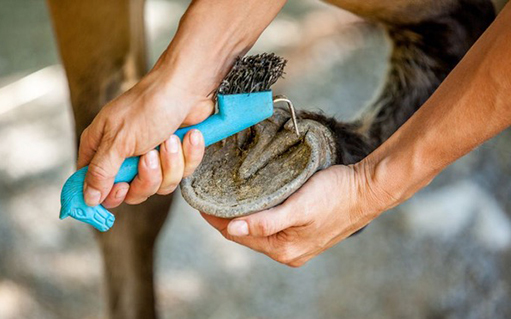
Hoof Health Horse hoof health is a critical concern for horse owners, as healthy hooves are crucial to the well-being of your herd. The condition of your pasture and how you manage horse manure can impact the health of your horse's hooves. Here's how:
Moisture Levels One of the key factors in hoof health is maintaining appropriate moisture levels. Pastures (or run-in sheds) with excessive manure buildup can create muddy and wet conditions, which can lead to several hoof-related issues:
Thrush: Thrush is a common hoof infection caused by bacteria that thrive in wet and dirty environments. It can lead to foul-smelling, black discharge and, if left untreated, can affect the deeper structures of the hoof.
White Line Disease: Excess moisture and poor drainage can weaken the hoof's white line, making it susceptible to fungal infections. White Line Disease can result in separation of the hoof wall, leading to pain and lameness.
Terrain and Manure Accumulation Uneven terrain due to manure buildup can create areas with uneven footing. Horses may be more prone to slipping and stumbling on these surfaces, putting an additional strain on their hooves and joints.
This can be a huge issue in climates with freezing temperatures, because that uneven footing freezes and becomes slippery.
Nutrition As mentioned earlier, proper pasture management ensures that horses have access to high-quality forage. Nutrient-rich forage supports not only overall horse health but also the development of strong hooves. Nutritional imbalances from poor pasture conditions affect hoof health.
Soil Quality Horse manure, though often used as fertilizer, can alter the pH and nutrient balance of your soil in negative ways when left sitting too long. Here's a mini science lesson!
Nutrient Content of Horse Manure: Manure is (obviously) a source of organic matter and nutrients, including nitrogen, phosphorus, and potassium. These are essential for plant growth, soil structure, and retaining water.
Too Much of a Good Thing: When horse poop is consistently left without removal or management, the number of nutrients can lead to an imbalance. Excess manure increases the soil's acidity, which negatively affects the growth of specific grasses and plants.
Poor Pasture Health: When pH becomes too low, you'll absolutely end up with poor pasture productivity. Weeds can thrive in these conditions, which means less valuable forage for your herd.
Your soil will eventually become compacted, making it difficult for plants to penetrate and access nutrients and water. As you can see, failing to remove manure results in a big mess in more ways than one.
Less Than Pleasant Odors Too much manure builds plenty of bacteria and unpleasant odors for all. You, your neighbors, boarders, lesson clients, the horses.. .everyone. Regardless of what type of barn you manage, or even if you simply have horses in your backyard, too much manure is a sensory nightmare. Not to mention the bugs that those foul odors attract!
The Best Ways to Remove Horse Manure Now that you have a little more insight into why removing manure from your pastures is so important, let's talk about how!
Pitchfork and Wheelbarrow The pitchfork and wheelbarrow option is a more traditional way of doing, but that doesn't mean there's anything wrong with it! It's just what it sounds like; grab a pitchfork and wheelbarrow and pick your pastures clean. Next, manually transport the poop to the poop pile!
It's relatively straightforward, depending on how often you choose to clean, and it's low-cost, and most barns tend to have these items on hand. This method works well for small pastures. That being said, it's also time-consuming and incredibly physically demanding.
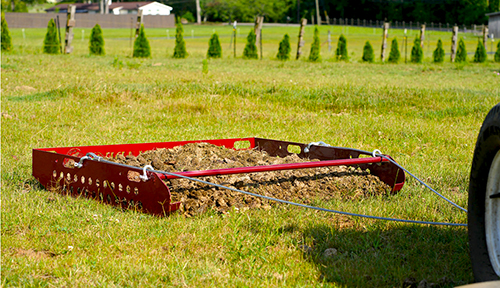
Dragging or Harrowing Dragging and/or harrowing involves attaching a harrow or drag behind a tractor or an ATV and dragging it across the pasture. By using this option, you'll split up manure piles so they can break down all across the pasture instead of allowing them to sit in one spot.
Harrowing is effective, but it doesn't completely remove all manure and can be hard on the surface of your pasture if you do it too often or aggressively. Plus, you need to invest in costly equipment.
Composting Composting consists of collecting manure in compost bins or piles, where it will then decompose over time. Once it's fully composted, you can use it to enrich your garden soil.
Composting is an environmentally friendly option and reduces waste, but it does require space and time. Composting doesn't happen overnight!
In short, one of the best ways to keep your pastures clean is to remove the poo altogether. Keep in mind, if you like the concept of composting, complete manure removal from the pasture is necessary first.
So, how can you resort to keeping your pastures spotless without investing so much time and thousands of dollars? There’s a better way. Enter: Paddock Blade!
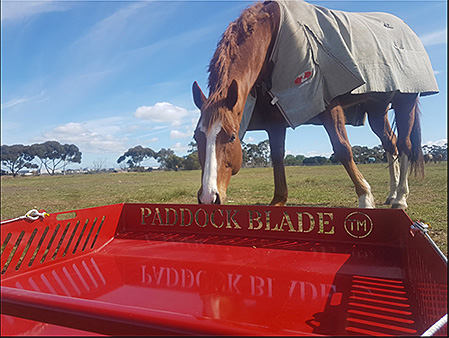
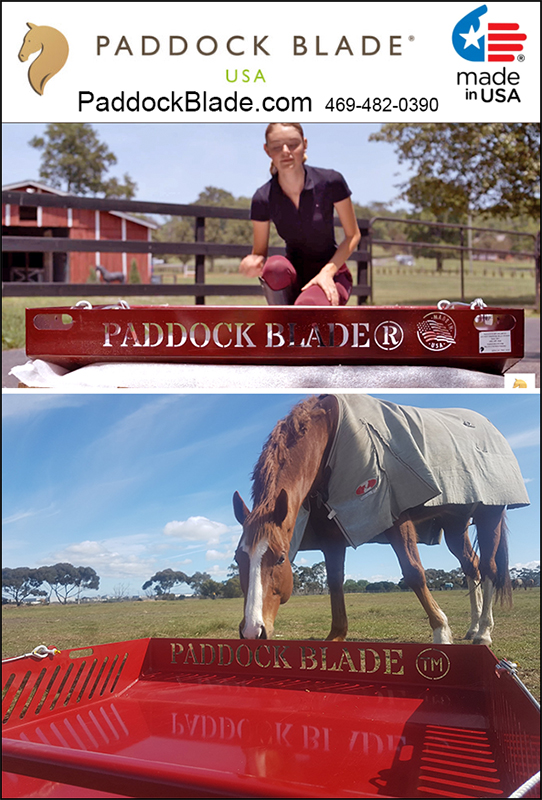
Introducing the Paddock Blade If you're looking for a more efficient and effortless way to remove horse manure from your pasture, consider using the Paddock Blade. This innovative tool is specifically designed for easy manure removal and offers several advantages!
Time-Friendly Paddock Blade can significantly reduce the time and effort required for manure removal. It can clear even your largest pastures quickly and efficiently.
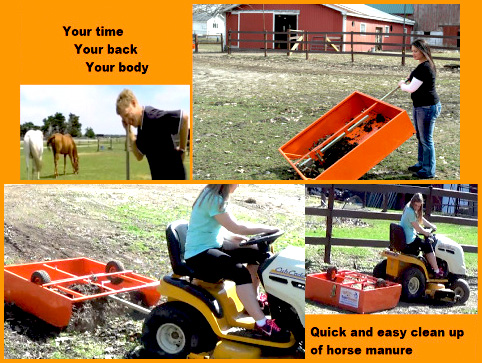
Super Easy to Use You can easily attach the Paddock Blade to an ATV or small tractor, making it accessible for most horse owners. If you can drive your ATV, you can use Paddock Blade. It cuts effortlessly through your grass, collecting every manure pile along the way.
Incredibly Effective The unique steel design of Paddock Blade allows it to collect and hold a substantial amount of manure, so you can thoroughly clean your pastures. The blade gets under even the largest piles, wiping your paddocks clean in minutes.
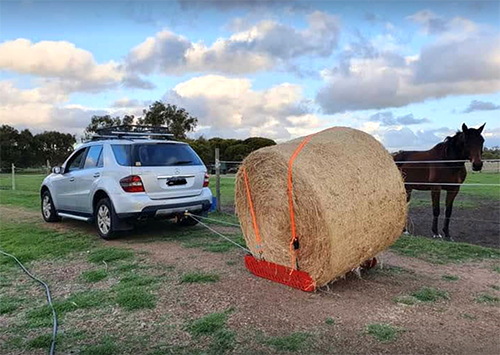
Versatility You can use your Paddock Blade on varying terrains. But it also has the capability to move heavy loads. From firewood to round bales, the Paddock Blade takes care of your heavy loads and it's easy to clean!
Maintenance Speaking of easy to clean, Paddock Blade requires minimal maintenance overall. It lasts for years with proper care and comes with a ten-year warranty to boot!
Easily Maintain Your Pastures with Paddock Blade Removing horse manure from your pasture is a critical part of horse care and pasture management. Whether you choose traditional methods like manual removal, dragging, or composting or opt for the efficient Paddock Blade, maintaining a clean and healthy pasture is essential for the health of horses and land!
Get your Paddock Blade today, and experience cleaner, healthier pastures for your herd!