

Are You And Your Horse Prepared?
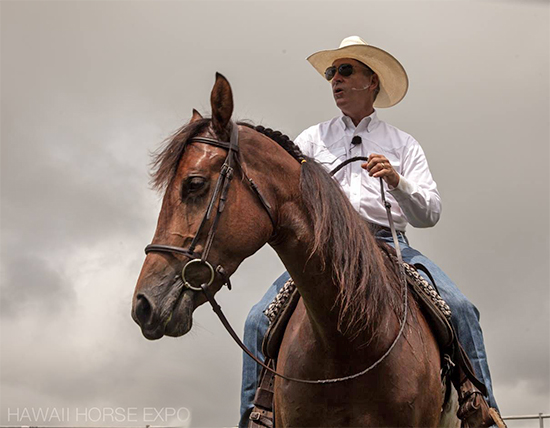
Here are a few things to keep in mind when preparing your mount for a successful ride. With Richard Winters
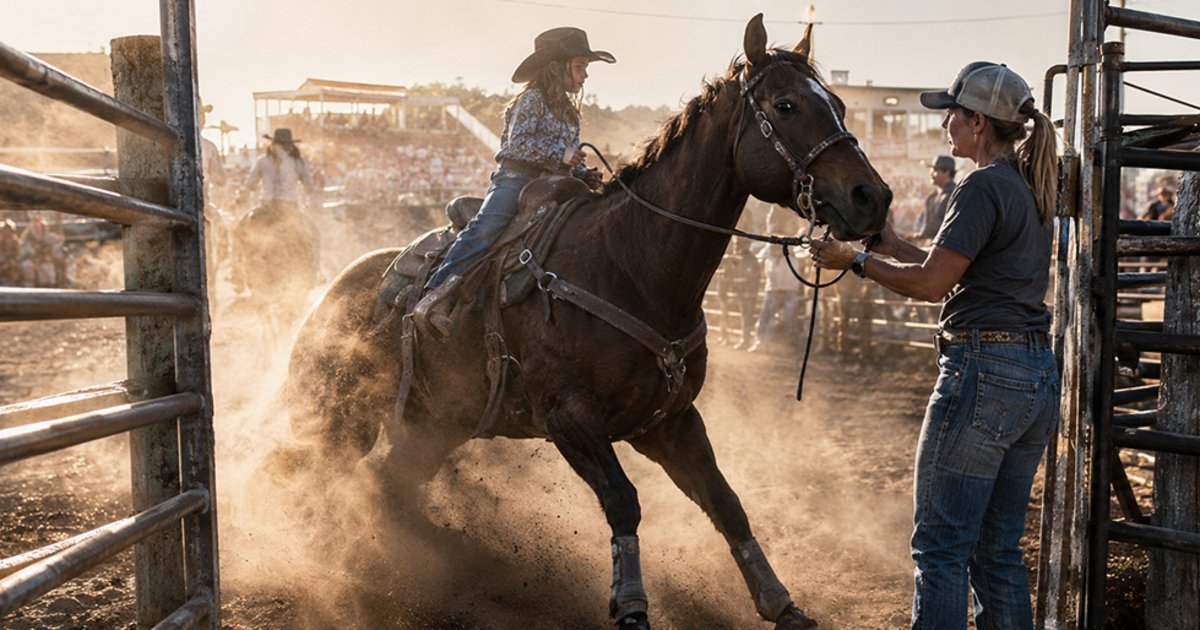
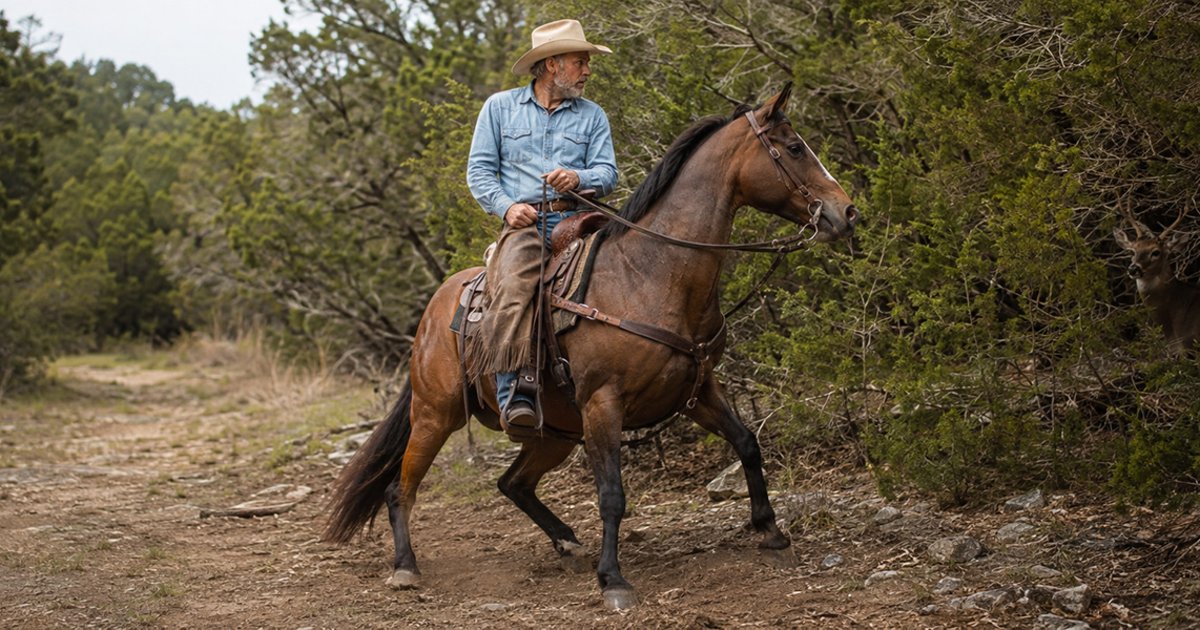
Preparing a horse to be ridden starts with doing the majority of your groundwork and warm-up with the horse saddled, sending him through the full range of motion—walk, trot, and lope with changes of direction—until he transitions relaxed, soft, and efficient. The longer it has been since the horse was last ridden, the more diligent the warm-up should be, and whether that takes five minutes or twenty-five, most riding wrecks trace back to inadequate preparation rather than bad horses. Environment matters too: a horse away from familiar surroundings, or out on a cold, windy day, may not act as gentle as he did at home on a quiet summer afternoon.
Diligent people prepare for the future. You might keep a blanket in your car this winter in case of a breakdown on the lonely stretch of highway . I have watched people in Florida board up windows in preparation for an oncoming hurricane. Good students take time to study and prepare for an up coming test. Here is my question for you: Are you and your horse prepared?
I ask this question because of two short video clips I recently watched on Facebook. Both of them involved a rider mounting their horse. Both of them ended in disaster. The first rider was seen quietly lunging his saddled horse around in a round pen. He then walked up to the horse, stepped on and was immediately, violently, bucked off. The second rider attempted to climb on his horse in a very small-enclosed area. This consisted of three panels put together in a triangle. There was barely enough room for the horse to turn around. However, there was still plenty of room to buck his rider off while crashing through the panels.
Were these riders on "outlaw" horses? Was it simply their unlucky day? No. As I watched both videos, it was evident to me
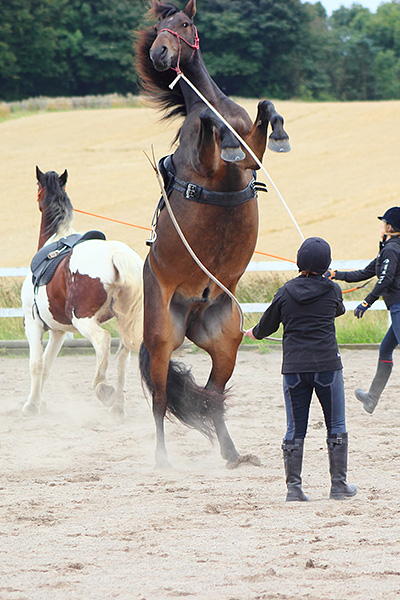
that neither of these riders had their horses prepared properly. It is true that you cannot prepare for everything with horses. There is an inherent risk in dealing with these animals. However, 90% of the wrecks that I've seen, or have been involved in, could have been avoided if there had been better preparation. What was the cause of crash? "Pilot error."
Here are a few things to keep in mind when preparing your mount for a successful ride.
1 Ask yourself: When was the last time this horse was ridden
2 Do the majority of your groundwork and warming up with your horse saddled
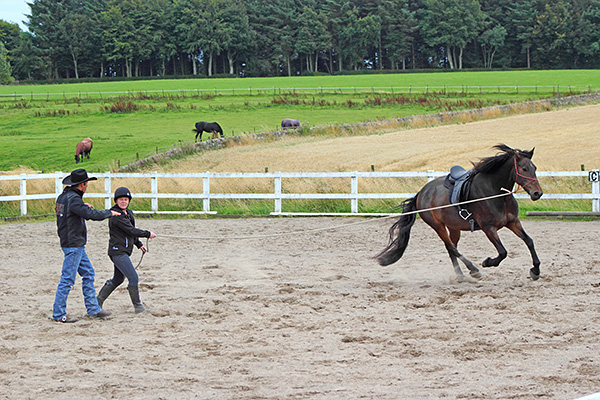
3 Whether you are lunging your horse on a line, or free lunging them in the round pen, they must go through the full range of motion
That means you need to send your horse out at the walk, trot and lope. They also need to change directions with some energy and impulsion. The saddle on their back feels different at the trot than it does at the walk. It also feels different at the lope compared to trotting. And when your horse turns, pushes off and goes in another direction, it’s an entirely different sensation.
5 Consider your environment and conditions
This is only a partial list. It's up to you to read your horses and know what it takes to have them prepared. Don't let your mounting experience be the next to go viral on YouTube!
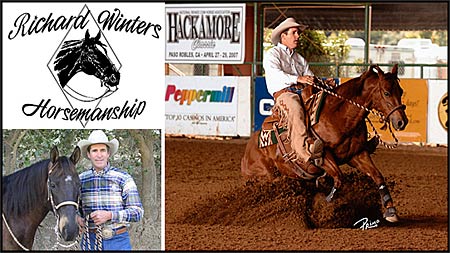
Richard Winters Biography
For over 35 years Richard has dedicated himself to honing his horsemanship skills and to passing this knowledge on to others. Richard's credentials extend from the rodeo arena and high desert ranches of the west to being a highly sought after horse trainer and horsemanship clinician.
Richard Winters horsemanship journey has earned him Colt Starting and Horse Showing Championship titles. Obtaining his goal of a World Championship in the National Reined Cow Horse Association became a reality in 2005. He is an AA rated judge. Another of Richard's horsemanship goals was realized with his 2009 Road to the Horse Colt Starting Championship. Winters’ was also a Top Five Finalist at the Cowboy Dressage World Finals.
International travels include: Australia, Brazil, Canada, England, Mexico, Scotland, Sweden and Poland where he earned the European International Colt Starting Championship Title. Richard is a "Masterful Communicator" with horses and humans alike.
We are happy to announce the release of Richard’s brand new book, “From Rider to Horseman” that was published by Western Horseman Magazine.
Richard and his wife Cheryl currently reside in Texas, and invite you to "Connect" with Richard Winters Horsemanship on Facebook and YouTube. You can also read Winters’ horse training articles, published monthly, in many horse magazines.
For more information about Richard Winters Horsemanship please go to wintersranch.com.