

Starting Horses on Cow Work
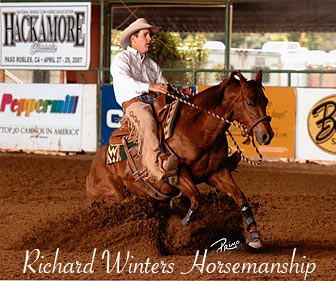
Before a young horse ever steps into the cow pen, trainer Richard Winters says it needs body control—maneuverability in the head and neck, shoulders, rib cage, and hindquarters. The first days are spent playing “follow the leader,” tracking a single cow around the pen so the colt grows braver as he realizes the cow constantly moves away, then drifting out parallel until he learns the paramount lesson: stop when the cow stops. Quiet, slow cattle and a square or round pen between 100 and 150 feet across give a colt the best chance to build confidence in those first weeks.
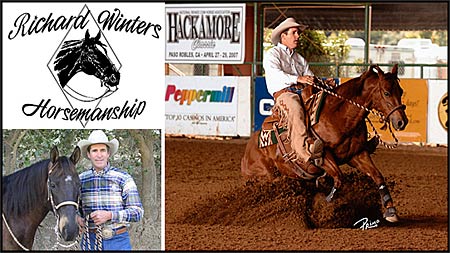
Down The Fence with Richard Winters This last month started a brand new chapter in Rocky, our two year old Quarter Horse stallion’s life. by Richard Winters Horsemanship
We’ve spent the last thirty days introducing this colt to cow working. There are a few things that are important for my colts to understand before we ever step into the cow pen. What I need most of all is body control. Working a cow is all about position. I’ve spent these last few months developing maneuverability in Rocky’s head and neck, shoulders, rib cage, and hind quarters. With this ability I can show Rocky how to relate to the cows movements using proper body posture and movement. If you can move their body and keep them soft in the face it makes this “extra-curricular” activity much easier.
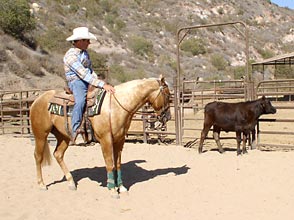
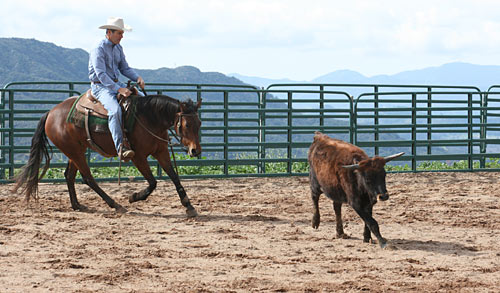
For the first two or three days of cow work we simply played “follow the leader.” With one cow in the pen I trotted up behind it and tracked it wherever it went. Every horse is different. Some react to the cow in a bold manner while others are timid or scared. Rocky was a little frightened at first. That’s when tracking cattle can be beneficial. Your colt will get braver and bolder as he realizes that the cow constantly moves away.
We’re also trying to generate some interest and curiosity in our colts mind in regard to cattle. This is when you look for signs of that natural cow sense that Quarter Horses are bred for. It doesn’t take long before you feel the cow begin to pull your colt along and he’ll begin to show some expression and interest on a cow.
As Rocky got braver he started to get a little aggressive.
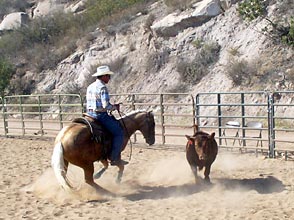
Lunging at the cow or biting at the cow is not something I want to encourage or even allow. Point penalties are assessed in competition if a horse strikes at or bites a cow. If this happens in the practice pen I’ll stop, back up, and then start again. They need to understand that this kind of behavior is not part of cow working. As you play this game, direct your horse as much as necessary but try to do as little as possible to keep your colt following. Two much reining won’t allow your colt to “hook up” to the cows. I will also try to follow the exact same flight path as the cow. In other words, not cutting corners.
At this stage of the game, quiet slow cattle are best. Fast, hard running cattle will not allow my colt to learn or gain confidence. They’ll simply get him worried and scared and he’ll dread these cattle working sessions.
As you begin to mirror the cows’ movements and stay parallel to the cow, the type of pen you’re in can make a big difference. A square or round pen between 100 and 150 feet across is ideal for starting young horses on cattle. By keeping the cow between you and the fence, your colt only has to travel half the distance to stay parallel to the cow. At this stage I don’t try to “hold” the cow on one fence line.
As the cow drifts around the pen I can use my rein and leg closest to the cow to fade away and still stay even with the cow no matter where it goes. This technique helps a young horse build confidence in working cattle because you can take the pressure off the cow yet never lose your working advantage.
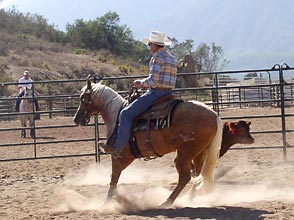
These first few weeks of cattle work are all about confidence building, proper body position and generating interest in Rocky’s mind toward cows.
Rocky will now work cattle on a regular basis. All the while we’ll be working on his reining as well. The best thing about cow work is that it gives a practical application to all the reining training that we do. Our horses will appreciate it and have better attitudes when they have a practical job for all the principles they’ve been learning.
For more information about Richard Winters Horsemanship please go to wintersranch.com.