
Should I Blanket My Horse?
Answer a few questions about today's weather and your horse for a clear recommendation — no blanket, sheet, light, medium or heavy — and the reasoning behind it.
Blanket recommendation
Find blankets & sheets
Vetted blanket & tack brands
InfoHorse sells nothing — these are listed by Ann's vetting, never by who pays.
General guidance, not a rule or veterinary advice. Always check your individual horse — feel under the blanket at the shoulder for sweat or chill.
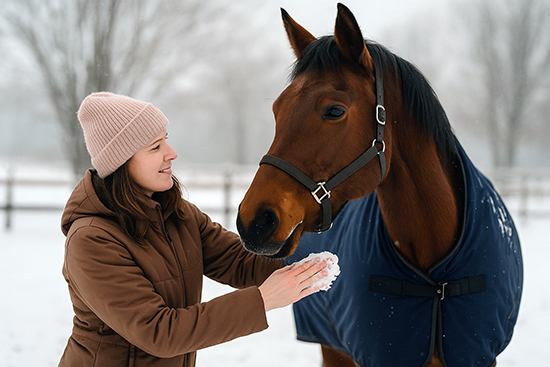
The Complete Guide: When & Why to Blanket Your Horse
Blanketing isn't about pampering — it's about protection. Bob's in-depth guide walks through coat and clip, weather, body condition, and how to choose the right blanket weight for your horse.
 By Bob Pruitt · Co-Founder & Editorial Curator, InfoHorse.com — a lifelong horseman of 50+ years who learned from the clinicians who shaped modern horsemanship, curating trusted horse information since 1997.
When does a horse actually need a blanket?
How this tool decides
The recommendation weighs the factors that equine-extension and veterinary sources agree matter most: temperature first, then wind and wet (both strip away warmth fast), the horse's coat and whether it's clipped (a body clip removes natural insulation, so clipped horses need blankets far sooner), available shelter, and condition (seniors and thin or hard-keeping horses feel cold more). It combines these into a single recommendation — none, sheet, light, medium or heavy — using widely published blanketing thresholds. As a concrete benchmark, University of Minnesota and Penn State Extension both advise blanketing an unsheltered horse once the temperature or wind chill drops below about 5°F, and blanketing any horse with a body condition score of 3 or lower. It's a starting point for your judgment, not a substitute for watching your own horse.
Sources & methodology
This decision tool follows blanketing and cold-tolerance guidance from university Cooperative Extension equine programs. Key references:
- Bulletin #1038: Winter Blanketing Guide for Equines — University of Maine Cooperative Extension: the per-temperature blanket-weight charts for clipped and full-coated horses that this tool's recommendations are built on.
- Caring for Your Horse in the Winter — University of Minnesota Extension: cold tolerance (a winter-coated horse is comfortable to about 0°F, and to −40°F with shelter) and the blanket triggers — below 5°F with no shelter, or body condition score ≤ 3.
- When to Blanket a Horse — Penn State Extension: the 5°F / wind-chill threshold, clipped horses, and how wet and wind strip a coat's insulation.
- FS1142: Winter Care for Horses — Rutgers NJAES Cooperative Extension: winter shelter, forage, and when blanketing is genuinely warranted.
- Winter Care of Horses: Blankets and Body Condition — Kentucky Equine Research: lower critical temperature, body condition, and the calorie cost of staying warm.
- Equine Winter Hair Coats 101 — Michigan State University Extension: how the coat traps air for insulation, and why a wet or flattened coat (or over-blanketing) reduces warmth.
Common blanketing questions
At what temperature should I blanket?
There's no single number. A coated, sheltered, healthy horse is usually fine to around 0°F. Clipped, wet, thin, senior, or unsheltered horses need a blanket much sooner — sometimes below 50°F if clipped. University Extension guidance is to blanket an unsheltered horse once temperature or wind chill drops below about 5°F, and to blanket any horse with a body condition score of 3 or lower.
Should I blanket a horse with a winter coat?
Usually not, if it has shelter and good weight — the coat insulates better than a blanket, and blanketing can flatten the loft. Blanket a coated horse mainly when it's wet, very cold and windy, or thin/senior.
Should I blanket a clipped horse?
Yes — clipping removes natural insulation, so a clipped horse usually needs a blanket in cool and cold weather, heavier as it gets colder.
Can over-blanketing hurt my horse?
Yes. A too-warm horse sweats under the blanket and then chills. Check under the blanket at the shoulder; a poorly fitting blanket can also rub or slip.
What do blanket weights mean?
Sheet = 0g (rain/wind only), Light ≈ 100g, Medium ≈ 200g, Heavy ≈ 300g+. More fill for colder, wetter, windier weather and clipped or thin horses.