

When and Why to Blanket Your Horse
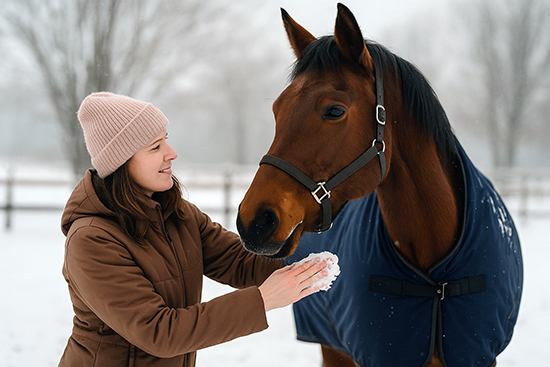
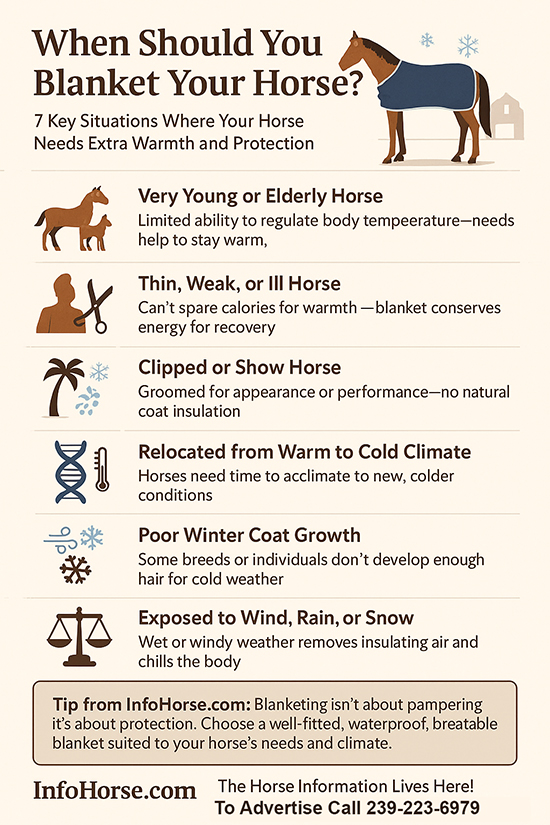
A healthy horse’s natural winter coat can handle temperatures well below freezing in calm, dry conditions, so blanketing matters most when wind, rain, or snow flatten or soak the coat and its insulation disappears. Horses that should be blanketed include the very young or elderly, thin or ill horses, clipped horses, show horses kept in sleek condition, horses recently relocated from a warm climate, and those that simply don’t grow a good winter coat. If your horse is sweating under its blanket, remove it or switch to a lighter layer—trapped moisture can cause skin irritation, dehydration, and even colic.
Blanketing isn’t about pampering, it’s about protection. A Complete Guide for Horse Owners from InfoHorse.com (Updated November 2025)
Every horse is different, and the right choice depends on age, coat, condition, and exposure to the elements. Used correctly, blankets help preserve energy, prevent stress, and support overall wellness through the winter season.
Blanketing is one of the most discussed winter topics among horse owners. While some feel that blanketing is unnecessary or even unnatural, the truth is that caring for a domestic horse is already far from natural. We manage their diets, their turnout, their shelter, and even their breeding. So, whether or not to blanket isn’t about nature, it’s about good horsemanship and knowing what your individual horse needs to stay healthy and comfortable.
Understanding How Horses Stay Warm Horses are amazing at regulating body temperature. Their natural winter coat acts like built-in insulation: each hair shaft traps warm air close to the skin. When the temperature drops, the hair stands upright to hold in warmth, and when the sun shines, it lies flat to release heat.
In calm, dry conditions, a healthy horse can easily tolerate temperatures well below freezing. But when wind, rain, or snow flatten or soak the coat, the insulation disappears. Wet hair holds moisture against the skin and pulls heat away fast and this is when even the hardiest horse can get chilled.
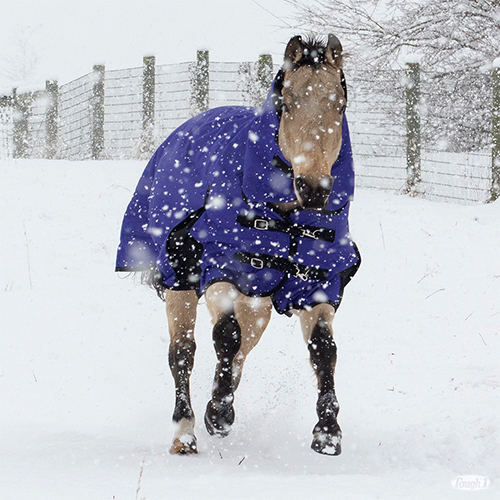
When Your Horse Should Be Blanketed Some horses simply need more protection than others. If your horse fits any of these descriptions, blanketing is recommended:
- Very Young or Elderly Horses – Limited ability to maintain body temperature.
- Thin, Weak, or Ill Horses can’t spare the calories to stay warm.
- Show Horses that are kept in sleek condition for appearance and travel.
- Horses That Don’t Grow a Good Winter Coat - Some breeds and individuals just don’t.
- Horses Exposed to Harsh Weather like wind, rain, and snow can strip warmth quickly.
Tip: A hard-keeper or an older horse that struggles to hold weight can’t afford to burn calories just to stay warm. A properly fitted blanket conserves energy that should go toward maintaining condition and wellness.
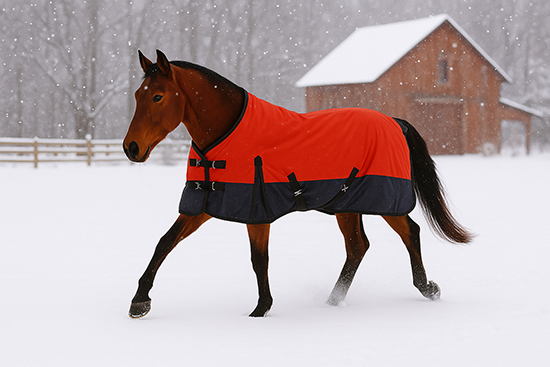
Choosing the Right Type of Blanket Not all blankets are created equal. The best choice depends on your horse’s needs and your weather conditions.
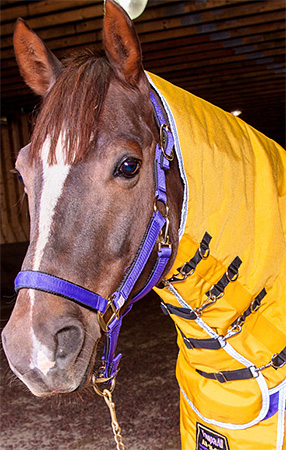
- Turnout Sheets: Lightweight, waterproof layers that keep your horse dry in rain or light snow. They add little warmth but are great for fall, spring, or wet climates.
- Turnout Blankets: Available in lightweight, mid-weight, or heavyweight fills. These add insulation for cold weather while still allowing turnout freedom.
- Stable Blankets: Ideal for indoor use - warm, breathable, but not waterproof.
- Coolers and Liners: Useful after workouts or under turnout blankets for extra layering.
Always choose a blanket that is rugged, waterproof, breathable, and sized correctly for your horse’s build and activity level.
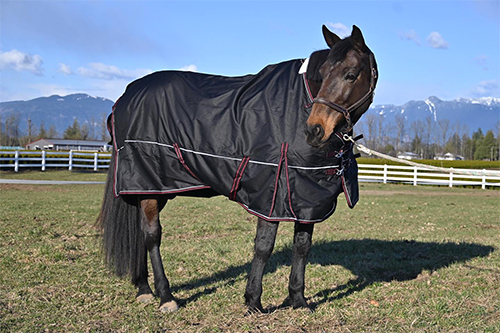
How to Properly Fit a Horse Blanket A good fit prevents rubs, discomfort, and accidents. Use a soft tape measure from the center of the chest to the center of the tail for size. Then check:
- The chest should overlap slightly, not hang loose.
- Allow 2–4 inches of clearance at the withers to prevent rubbing.
- The blanket should cover the barrel and hang just below the belly line.
- Adjust cross-surcingles so you can fit a flat hand between the strap and the belly.
- Leg straps should cross between the hind legs with enough room for one flat hand.
Once fitted, step back, your horse should move freely, graze comfortably, and look relaxed.
When NOT to Blanket Your Horse Too many layers or too heavy a blanket can do more harm than good. An overheated horse will sweat, and moisture trapped under the blanket can cause skin irritation and even health risks such as:
- Respiratory problems
- Dehydration and colic
- Hypertension or stress
A quick rule: If your horse is sweating, remove or switch to a lighter layer. Remember - just because you’re cold doesn’t mean your horse is.
Blanket Maintenance and Care Proper care extends the life of your investment and protects your horse’s skin.
- Check Daily: Remove blankets to brush the coat and inspect for rubs or damp spots.
- Repair Small Tears: Patch with blanket repair tape and seal edges with waterproof spray.
- Clean Gently: Use mild soap or a blanket-safe detergent. Never use harsh cleaners or a dryer.
- Line Dry Only: Heat can destroy waterproofing.
- Re-Waterproof As Needed: When you notice wet spots along your horse’s topline, it’s time to refresh the coating. Many outdoor waterproof sprays work just as well as brand-specific ones.
A well-maintained blanket can last for years while keeping your horse dry and warm.
When to Replace a Blanket Minor repairs are fine, but when fabric loses its waterproofing, straps break repeatedly, or insulation shifts, it’s time to invest in a new one. A soggy or ill-fitting blanket can cause more harm than good.
Final Thoughts Blanketing isn’t about pampering, it’s about protection.
Every horse is different, and the right choice depends on age, coat, condition, and exposure to the elements.
Used correctly, blankets help preserve energy, prevent stress, and support overall wellness through the winter season.
At InfoHorse.com, we believe that good horse care starts with understanding the individual animal. Whether your horse is young, old, or a high-level athlete, knowing when and how to blanket properly is one of the kindest things you can do.