

Making A Cow Horse Turn
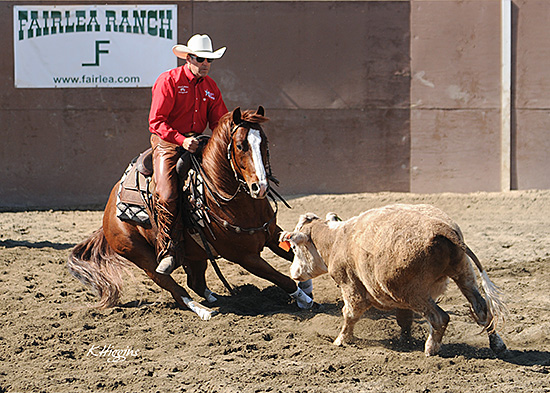
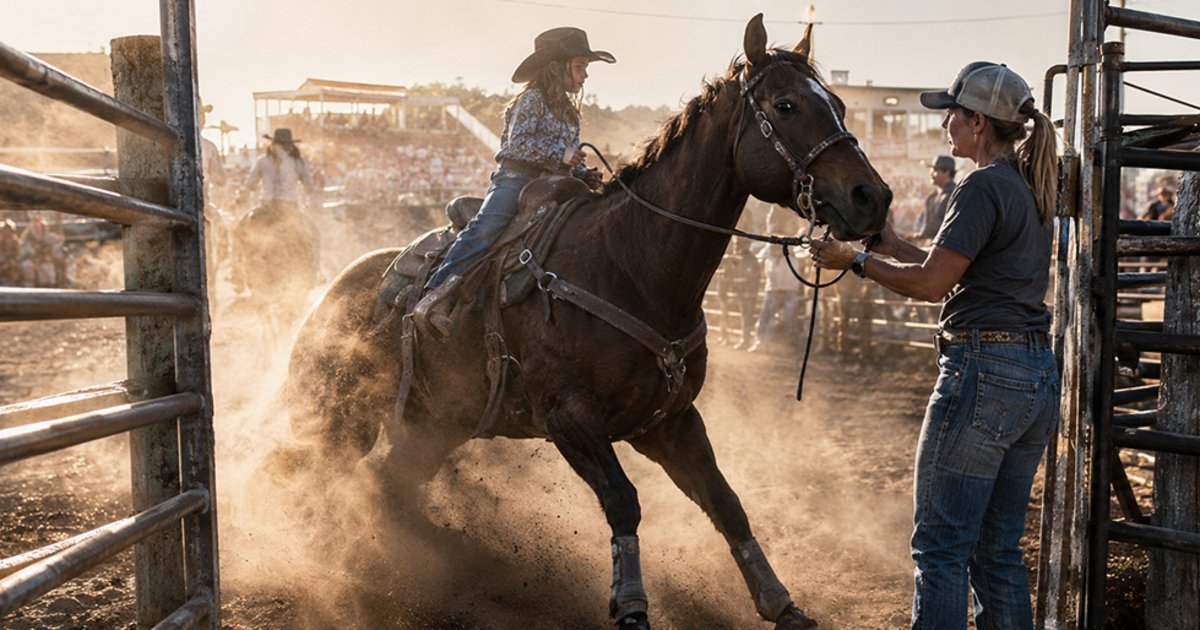
A correct cow horse turn has three elements: stop before you turn, draw back, and cue in sequence. The horse must first stop when the cow switches directions—otherwise he makes a big swinging turn with his whole body instead of using his hind end—then back up a few steps to load his hindquarters like a compressed spring ready to release its energy. From there, the rider cues the turn with a direct rein first, the outside rein as support along the neck second, and the outside leg last.
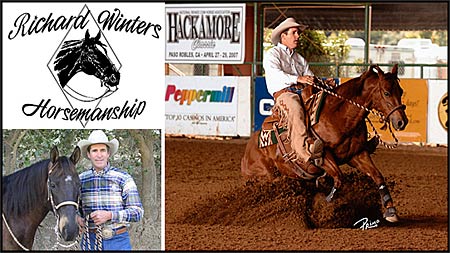
Working and handling cattle with your horse is exciting, fun and challenging. With Richard Winters
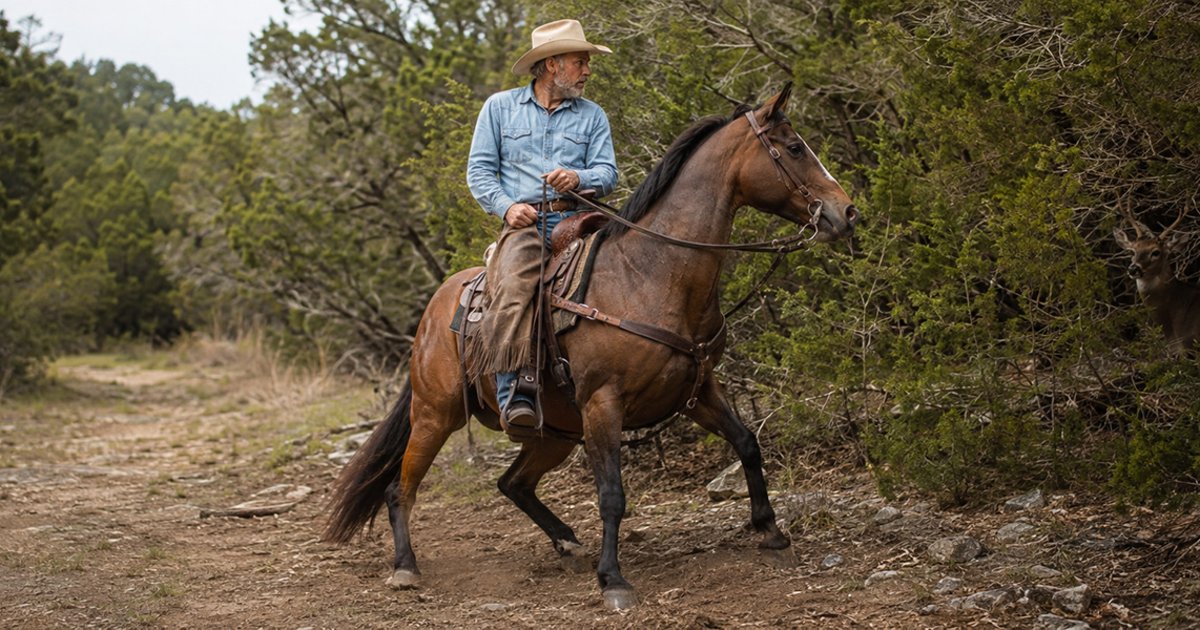
Many riders enjoy cutting, reined cow horses, sorting, penning or simply working cattle out on the ranch. Regardless of the particular activity, your horse needs to make a particular cow horse move when turning with the cow in order to be effective. Let's talk about the particular elements of the cow horse turn that you and your equine partner need to know.
1 You've got to stop before you turn
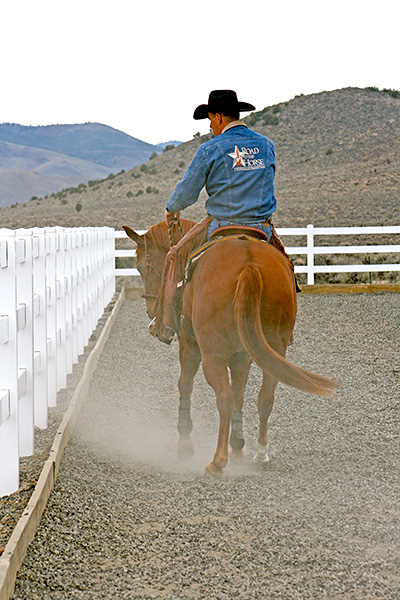
One of the most common mistakes that a novice horse and rider make is not stopping before they turn. If you are moving across the pen parallel to the cow and suddenly the cow switches directions, your horse must first stop before doing anything else. If you fail to stop, your horse will make a big swinging turn with his whole body like a motorboat out on the lake. Your horse will not be using his hind end and will no doubt be late when coming back to the cow. At this point, the rider is actually pointed towards the cows’ rear end and is driving the cow farther away rather than being in the proper position to hold and stop the cow.
This is why it is important to create scenarios for a green horse that will give him time to think through the process and position his body correctly. It's been my experience that Saturday morning at the local team penning is not the ideal place to teach this maneuver! Trainers who want to teach their horses correctly spend a lot of time in a square or round pan with a single cow where they can take a lot of time and not over pressurize the situation.
A mechanical cow or "flag" is also ideal to teach your horse the footwork, cadence and muscle memory necessary for a proper cow horse turn. Without the variable of an unpredictable cow this can really support your horse and accelerate the learning process.
2 Draw back
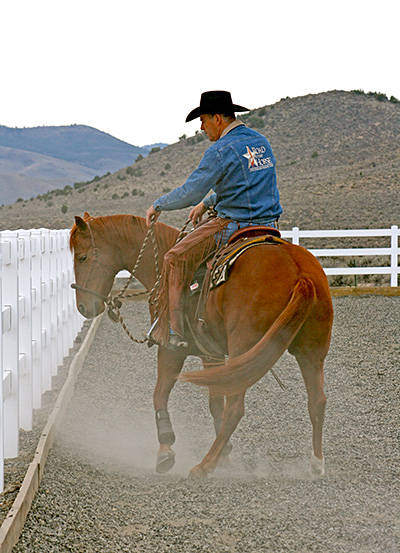
To properly teach a cow horse turn, a horse needs to "load up" on his hind end before the turn. This is accomplished by backing the horse up a few steps before initiating the turn. This is similar to compressing a steel spring so that it can then expand and release its energy when released. When you back your horse properly, you're compressing his body and putting energy on his hind end. He is then in a position to push off when executing the turn.
By drawing back before you turn will help your horse get off his front end. This is also a good opportunity to make sure that he is soft in his face and is not pulling on you during the stop. As your horse progresses you will not necessarily back up every time you stop with the cow. However through much repetition, your horse will have the muscle memory to rock back on his hind end and turn in one fluid movement.
3 Cue sequence
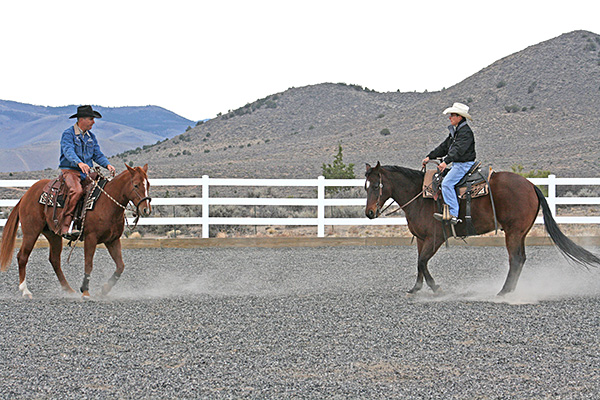
After you have stopped and backed up, it is time to turn with the cow. I cue for the turn in a particular sequence. First I give my horse a direct rein. Then I use my outside rein as a support along his neck. Immediately following, I use my outside leg. Direct rein, neck rein and outside leg, in that order. If I am turning to the left, I want to be sure I can see the corner of my horse’s left eye.
Coming in with too much neck rein too soon could cause my horse to tip his nose away from the turn. Then my horse would not have the proper body posture to come through himself and make a good turn. I also want to make sure I have my inside leg away from my horse so I am not blocking the direction that I want to go.
Here are two ways that you can practice the elements of a cow horse turn on any horse. Even without the availability of cattle.
1 Walk your horse down a fence line and then ask your horse to stop and back up
2 You and a friend can also practice together on horseback
There's no substitute for spending time with your horse on cattle. However, the preceding exercises will better prepare you and your horse for the time when you step into the pen with a live cow. Richard Winters Horsemanship WintersRanch.com