

Better Horse Stall Ventilation by Design
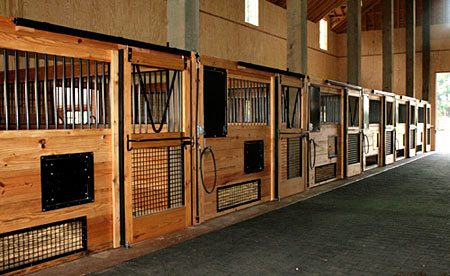
Horse Stall Air Quality - Do you have a balanced approached to the health of your horse?
By Michael Sullivan, Woodstar Products, Inc
The best way to improve air quality in a horse stall is through design—end doors that create a breezeway, roof vents that let air flow upward, and end-wall fans that move air through the barn. At the stall level, bottom-meshed doors, vent panels placed one to two feet off the floor, stall windows, exterior Dutch doors, and partition grills all add fresh-air inlets and the cross airflow that solid wood walls block. Daily turnout completes a balanced approach, giving a stalled horse fresh air, exercise, and socialization.
Every responsible horse owner takes the time to ensure that the horse's environment and care provides the best possible life for their best friend! Enjoying a day on the trail with your trusted companion brings you a level of enjoyment that only the outside of a horse can offer. Wasn't it Winston Churchill who said ”There is something about the outside of a horse that is good for the inside of a man”?
Let's take a moment and look over our care checklist and make sure we have a balanced approach to caring for our horses. The obvious items to check are; Food, Water, Vaccination, Foot Care, Teeth, Coat and Exercise. Most of us are aware of these elements and do our best to ensure that we are giving our horses the best care possible. Well let’s look at one that can be over looked, easily. Air Quality.
There is a standing argument that the best place for the horse to live is “Outside”. When air quality is considered, it is difficult to argue against that point. Having said that, there are many good reasons to stall your horse. When you ask most equestrians, the majority of them prefer to stall their horses. It is easier to care for your horse when it is stalled.
Therefore, when looking at a balanced approached to air quality, turning out your horse daily provides the horse the opportunity to appreciate fresh air, exercise and socialization. This makes for a happy horse. When stalling your horse, you need to take a serious look at the potential of diminishing air quality. It does not have to be this way.
A few key elements to consider to minimize stale air are: 1.Make sure there are end doors to your structure that provides a breezeway.
2.Your structure should be equipped with roof vents that allow air to flow upward
3.End wall fans are recommended to assist the movement of air through your barn.
4.Your stall area should be designed to maximize air movement and fresh air inlets.
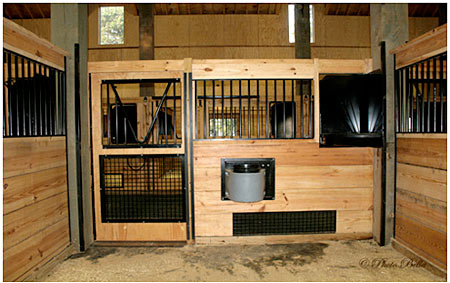
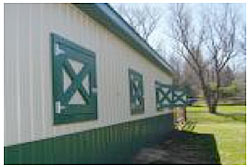
Stall manufactures that study this critical issue design features in their product line that provide horse owners alternatives to address air quality.
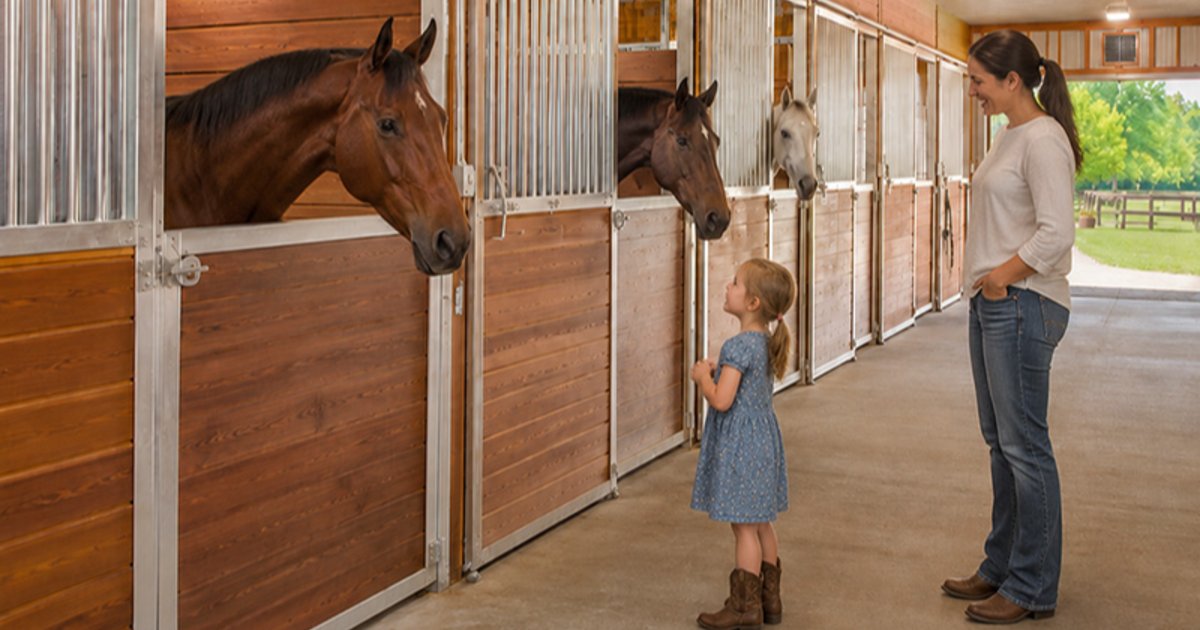
Key stall components that provide the best possible air quality are: 1.Bottom Meshed Stall Doors.
2 Vent Panels located on the front and side panels of the stalls, located 1 to 2 feet off the floor
3 Stall Windows are recommended
4 Exterior Dutch Doors located on the back side of the stall provide fresh air inlets, as well
5 Ceiling fans are effective providing dust control is in place
6 Partition Grills also provide a cross air flow not available with solid wood walls
The key to better ventilation starts with “Design”. Stalled horses benefit from owners taking the time to consider all of the possible ways to improve air quality!
Woodstar Products, Inc. has provided quality Horse Stalls for over 34 years. It is our mission to design, construct and provide the best possible features available in the industry, including stall ventilation. We are constantly improving our products and solicit expert advice from; Trainers, Breeders, Builders and Equestrians to ensure our product provides a balanced approach for stalled horses.
Woodstar has three distinct levels of Stalls that our clients can consider. Our motto is we have a “Stall for every Barn”. Please visit our web site at woodstarproducts.com and or call us at (800) 648-3415 to talk with one of our experienced staff member. Our commitment is to continue and build on our 34 year history of serving the Equine Industry with quality products. We will continue to look for ways to improve your horse experience!.
Article written by: Michael Sullivan VP of Sales & Marketing Woodstar Products, Inc [email protected]
Woodstar Products, Inc. 1824 Hobbs Drive, Delavan, WI 53115 Phone: (262) 728-8460 Fax: (262) 728-1813 Toll Free: (800) 648-3415