

Mechanics Versus Psychology Horse Training
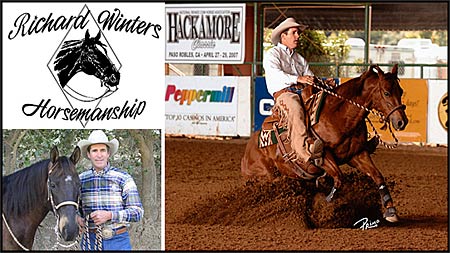
Where horsemanship mechanics teach you where to place a spur, how to direct the rein, or how to shift your body weight, equine psychology—understanding how a horse thinks and what motivates him—does far more to shape a horse’s behavior. A horse fundamentally wants to be comfortable, so a rider who makes the right thing easy and the wrong thing difficult motivates the horse to follow direction willingly. Horseman Richard Winters, drawing on more than thirty-five years of training and thousands of horses, applies this psychology to barn-sour behavior, stop-and-go cues, and teaching a horse to travel straight.
With Richard Winters - After over thirty-five years of horse training and working with thousands of horses, I’m convinced that there's nothing more important than understanding equine psychology. Of course there's a mechanical aspect to horsemanship.
It's important to learn where to place a spur, how to direct the rein or how to shift our body weight. However, if we can understand how a horse thinks and what motivates them, it will go a long way in shaping their behavior.
First of all, a horse just wants to be comfortable. If we can set up every scenario where the right thing becomes easy for the horse and the wrong thing becomes difficult, it will motivate them to follow our direction. Horses will do amazing things for us. But they have to feel like it is working out for them. That's why we have to be an equine psychologist.
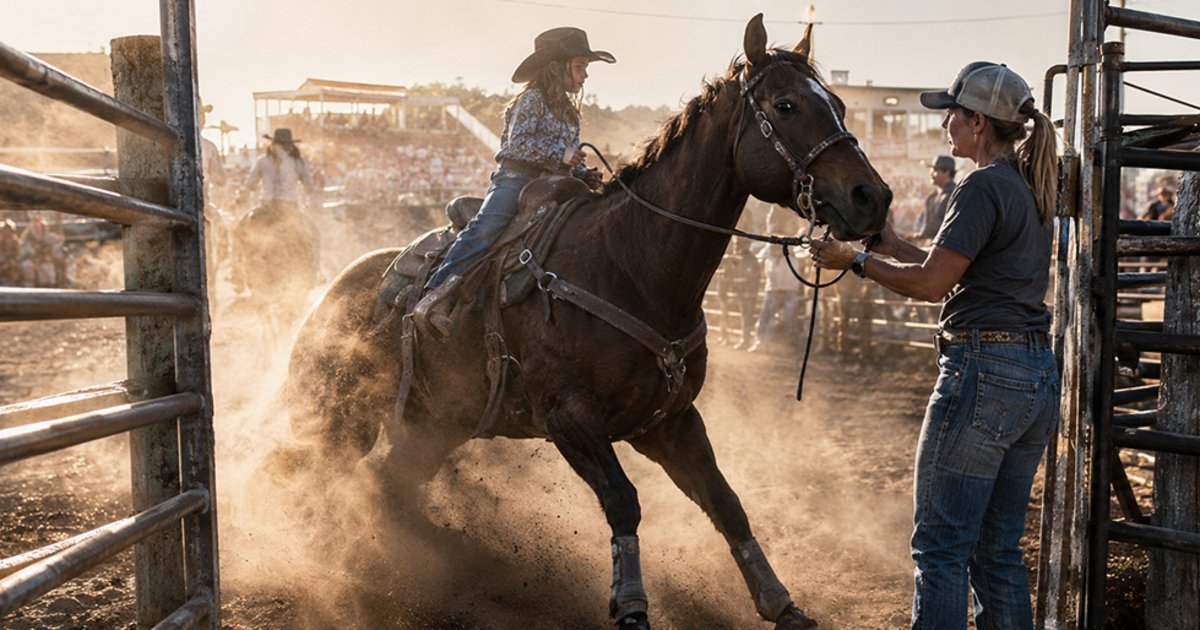
Here are a few examples of how you can apply these principles: #1 Barn Sour We know why horses are reluctant to leave the barn and are also in such a hurry to get back. We also understand why they always fade towards the gate of the arena every time you ride by. They know from history that If they can just get back to the barn or out of the gate then the ride will be done, the saddle will come off and they will get to be comfortable again.
Rather than continually fighting the symptoms, you can change their behavior. This is where you can use reverse psychology. Do they want to go back to the barn? Allow them to go back to the hitching rail and then trot twenty circles around that area. Then ride back out towards the arena. Once back in the arena, allow them to stop and rest. I will often dismount at the far end of the arena, loosen my cinch and lead my horse back to the barn.
Now you are being an equine psychologist rather than just a mechanic. You are not simply making your horse do something; you are changing your horse’s mind about the scenario. You are making the wrong thing, which is going back to the barn, difficult. You are making the right thing, being out of the arena, easy and comfortable. Whether it is the barn, the gate or perhaps another horse, this psychological principle works in every category.
#2 Stop and Go One horseman put it like this, "I never kick a horse to make him go and I never pull on the reins to make him stop. I might kick him if he doesn't go and I might pull him if doesn't stop." The novice horseback rider simply kicks to go and pulls to stop. If you are interested in the psychology of horsemanship, you can motivate your horse to a better response. By asking with your body language and voice to move forward, your horse then has the opportunity to move with just a suggestion rather than a demand.
When you're ready to stop, shifting your weight and saying "whoa" allows your horse to follow the suggestion and ultimately stay more comfortable. It becomes a win-win situation. You asked before you demanded.
#3 Riding to a Point Riding with straightness can often be a difficult proposition. How do you motivate and reward your horse for traveling straight and balanced from one point to another? Start at one end of the arena with your horse pointed towards the far end. Now pick up a trot and focus on one fence post at the other end of the arena. Keep your hands forward and allow your horse to travel on a loose rein.
The idea is to keep him in between your hands and legs. Trot all the way to your fencepost, stop and relax. Your horse might have a tendency to turn left or right at the fence. Your job is to keep your horse straight. Don't worry about pulling back. The fence will cause your horse to slow down and stop. Now stop and rest perpendicular to the fence for thirty to sixty seconds. Then turn around and repeat the exercise at the other end of the arena.
This exercise will help your horse understand that going from point A to point B has a reward at the end. This will motivate your horse to want to travel straight as an arrow down to that point where he gets to stop and relax. Rather than attempting to make your horse travel straight by over managing with your hands and legs, your horse becomes self-motivated to travel straight to that desired spot.
These three techniques allow your horse to find the right answer and then be rewarded. Through psychology, you are allowing your ideas to become their ideas. You are now working smarter instead of harder. Your horse is not a golf cart. They are simply an attitude with four feet! A little less mechanics and a lot more psychology will go a long way in furthering your horse/human relationship. For more information about Richard Winters Horsemanship please go to WintersRanch.com