

Rein Communication
If I pick up on the bridle reins, I expect something to happen. My horse needs to yield, give and or slow down. Richard Winters
Communicating clearly through the reins comes down to one habit: either take hold of your horse’s face through the reins for a specific purpose, or let him go on a loose rein—dead weight on the end of the reins creates a dull horse that tunes you out. When the horse yields to that pressure, release the reins so he is rewarded, because that is how horses learn. Riders should also develop an independent seat rather than using the reins to keep their balance, a habit that quickly makes horses resistant and frustrated.
It’s very difficult to communicate with someone who does not speak clearly. If they mumble their words, and don’t finish sentences, it is our tendency to begin to tune them out. How clearly do you speak to your horse? Are you presenting ideas in a way that your horse can understand? Many riders lack clarity when communicating to their horse. Thus, their horse begins to fight and resist; or simply ignores the rider and tunes them out.
When riding our horse, much of the communication and control comes from our reins, down to the bit. How you handle your reins and use your hands will determine how well our horse responds. When I watch riders, it is often difficult for me to determine what they are trying to communicate with their reins. Are they taking out the slack and asking for a soft feel in the horse’s face? Do they want the horse to decrease speed or stop? If I can’t tell what they are trying to accomplish, I’m guessing their horse isn’t quite sure either!
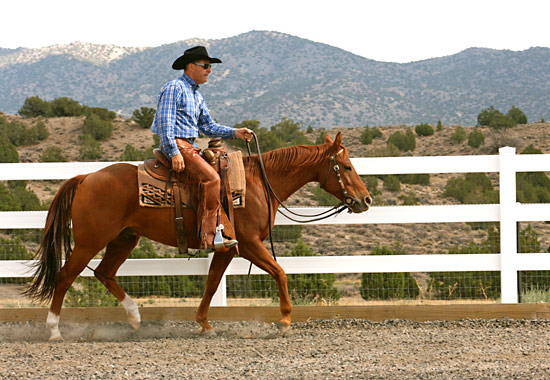
With loose reins I’m allowing my horse to travel forward freely. This is what I encourage riders to do. Either take hold of your horse’s face through the reins for a specific purpose, or let him go. Anything less than that, or just having dead weight on the end of the reins, will begin to create a horse that is dull and who tunes us out. If you want the horse’s nose to come down for collection then you need to take hold of the reins and wait for the horse to give to that pressure.
When the horse yields to that feel then it is important to release and let the horse be rewarded. This is how they learn. If you hold and release arbitrarily then your horse begins to ignore the signal and becomes bracy.
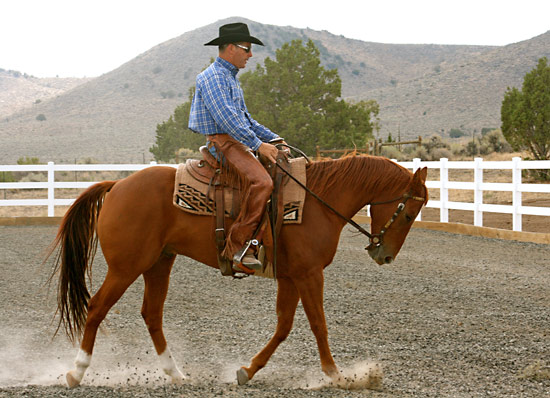
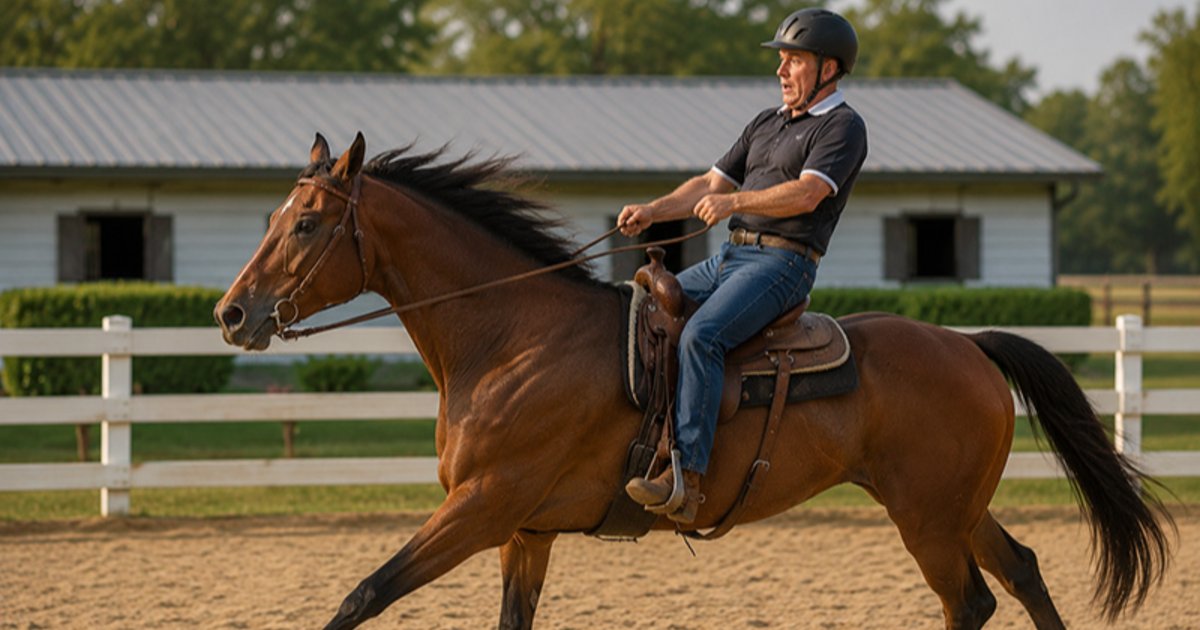
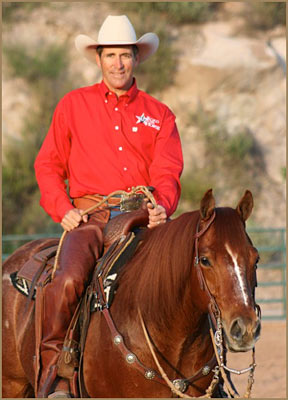
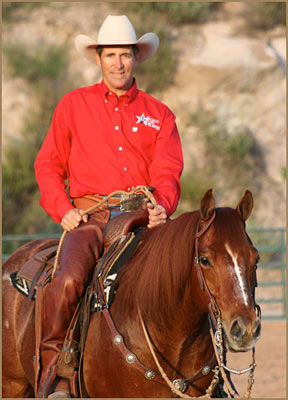
I have taken hold of the reins and asked this horse to soften. If I pick up on the bridle reins, I expect something to happen. My horse needs to yield, give and or slow down. When I pick up on the reins, I’m committed to my horse making a change and yielding to my suggestion. When working with the green horse, I always reward the slightest try. If they yield to my hands, I promise I will give the reins back to them.
As a horse matures and develops in his training I can ask for more feel and maintain that feel in a collected frame for longer periods of time. You might be a novice rider with limited experience, yet when you watch me ride, I want you to be able to tell when I’m taking a hold of the reins and when I am letting go (turning them loose.) If you can tell, then its very possible my horse can tell as well. Communicating through the reins simply and clearly is my goal.
Some riders are actually using their reins to keep their balance and to hold on. Needless to say, this is incorrect and horses will quickly become resistant and frustrated with their rider. Each of us should strive to ride with an independent seat; meaning we don’t grip with our legs to stay on and we don’t use our reins to help us keep our balance.
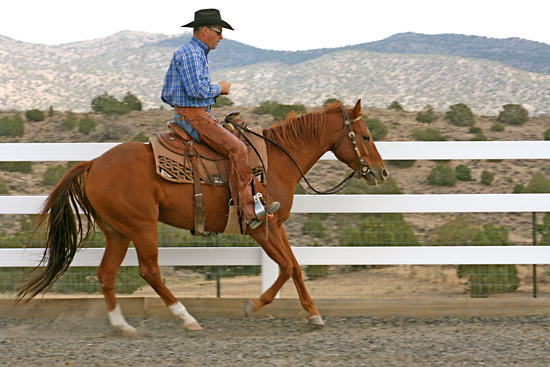
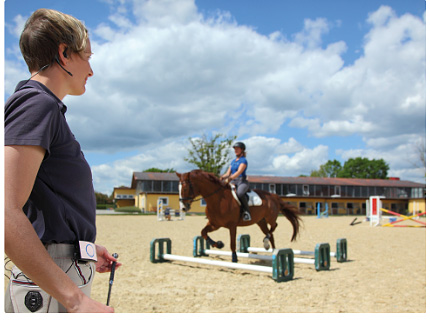
Riding with an independent seat without handling the reins. In a safe enclosed environment, with a safe and gentle horse, you can practice developing an independent seat. Simply place your reins down over the saddle horn for a few strides. Can you ride confidently and balanced without using the reins as a crutch? Try this at the walk, trot and eventually the lope. You can always quickly retrieve your reins if things start to get out of control. To set your reins down for a few strides is liberating and can be fun.
You should also consider how much tension you have on the reins when you are stopped and at ease with your horse. Many riders don’t completely release their reins after they have stopped. This causes many horses to begin to root their heads and pull on the reins. They are asking for slack and are wondering why you are still holding on.
What I’m asking you to be aware of is not monumental and will probably only require slight adjustments and heightened awareness while riding. However, these simple changes will enable you to speak more clearly to your horse and give you a more willing equine partner.
Richard Winters Horsemanship WintersRanch.com