

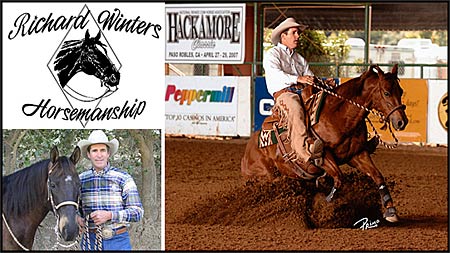
Understanding Horse Auctions article from Richard Winters
If you have not bought or sold many horses at a public auction, the process can be a bit intimidating
At a public horse auction, every horse sells as-is, so soundness questions must be addressed before the bidding begins—arrive early for the previews, ask the seller plenty of questions, and register for a bidder’s number at the sales office, which costs nothing. Sellers can expect an entry fee plus 6-10% of the horse’s selling price, with payment arriving once the buyer’s check clears—most transactions are settled in 30 days or less. A public auction is often the clearest indicator of fair market value: a horse is worth what buyers are willing to pay on that particular day.
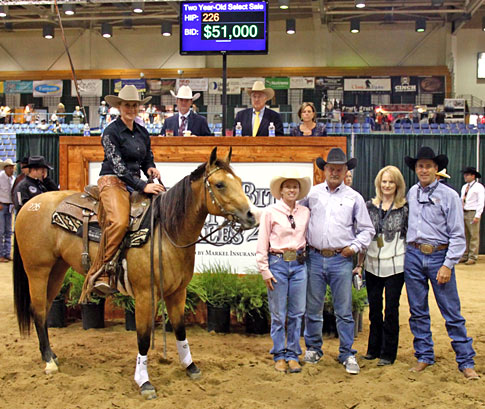
We’ve recently returned from the Snaffle Bit Futurity in Reno, Nevada. In conjunction with the annual horse show there is also a Two -Year-Old Select Sale. This sale is for young prospects that have been started and are also working cattle. Perspective buyers attend with hopes of finding their future Reined Cow Horse Champion. We had purchased a very nice buckskin filly, by Shining Spark, that our daughter Sarah had started while working for Carol Rose Quarter Horses. I am proud to say that Sarah did most of the training and represented us brilliantly at the sale.
Both she and the filly did an outstanding job and “Shiners Darlin” was the high selling filly and sold for $51,000.
If you have not bought or sold many horses at a public auction, the process can be a bit intimidating. An auctioneer is rambling some language you don’t understand. Guys with cowboy hats and ties are shouting back to the auctioneer every time they get a bid. You wave to your friend who just walked in and now you’re told you you’ve just bought an appaloosa broodmare bred back to a mammoth jack with a mule colt by her side!
Below is a list of things to consider when buying or selling a horse at a public auction. Sellers 1) Fees: You will probably be charged an entry fee, plus 6-10% of your horses selling price, for the opportunity to be in the auction.
2 Rules: Find out if you are allowed to “buy back” or put a minimum bid on your horse
3 Present your horse as valuable: This means washed, clipped, freshly shod, and all tack cleaned
4 Have your paperwork in order: If you are selling a registered horse, make sure that he is registered in your name
5 Be prepared to wait for your money: Most auction companies will not pay you until the new buyers check has cleared the bank
Buyers 1) Buyers beware: You are purchasing this horse “As Is.” Any questions you might have in regard to the soundness of a horse need to be addressed before the bidding begins. Many higher end sales recommend that sellers provide x-rays that can be viewed during the days and hours leading up to the sale. Some auctions will have a veterinary inspection completed for every sale horse. This is not a comprehensive examination. However, the process will sift out horses with obvious physical problems and adds value to prospective buyers.
2 Ask the sellers a lot of questions about the horse you are interested in purchasing: ' How much training has the horse had to date
3 Arrive early to watch any previews of the horses being offered for sale: Many sales will have a designated time when each horse is previewed for the prospective buyers
4 Get a bidder’s number: If you think you might bid on a particular horse, register with the sales office prior to the start of the sale and have your bidding number on hand
5 Attend a sale: You may not be ready to buy a horse but observing an auction will help you become familiar with the process
Auctions can be intimidating, but they don’t have to be. Most of the personal with the auction company will be happy to answer your questions. They want it to be a positive experience for the buyers and sellers. Public auctions are often the clearest indicator of the fair market value of the horses offered. Regardless of what the seller thinks, the horse is only worth what the buyers are willing to pay on that particular day.
Auctions have been the time tested way to purchase everything from the backyard kids pony, all the way up to the multi-million dollar race horse. Do your homework. Ask good questions. Pay attention. Consider bringing an equine professional to help. And remember, don’t scratch your nose. They might point at you and yell Sold!
For more information about Richard Winters Horsemanship please go to wintersranch.com.