


Will I save money if I keep my horse at home or should I spend the money to board my Horse?
Keeping a Horse at Home vs Boarding: The Real Cost Comparison in 2026
By Bob Pruitt · June 23, 2026 · Horse Care
Once a property is set up, a horse kept at home costs roughly $350 to $950 a month compared with $650 to $1,600 or more for full board—but fencing at $3 to $8 per foot and a $10,000 to $30,000 barn mean a single horse can take two to three years to break even. Home keeping also asks 15 to 20-plus hours of work a week versus 8 to 12 for a boarded horse, so the savings pencil out best when you already own suitable land, have the time, and keep two or more horses.
The short answer: Keeping a horse at home runs about $350–$950 a month once you're set up, versus $650–$1,600+ for full board. But the setup isn't cheap — fencing runs $3–$8 per foot and a basic two-stall barn is $10,000–$30,000. With one horse you may not break even for two to three years. With two or more, the math turns in your favor much faster.
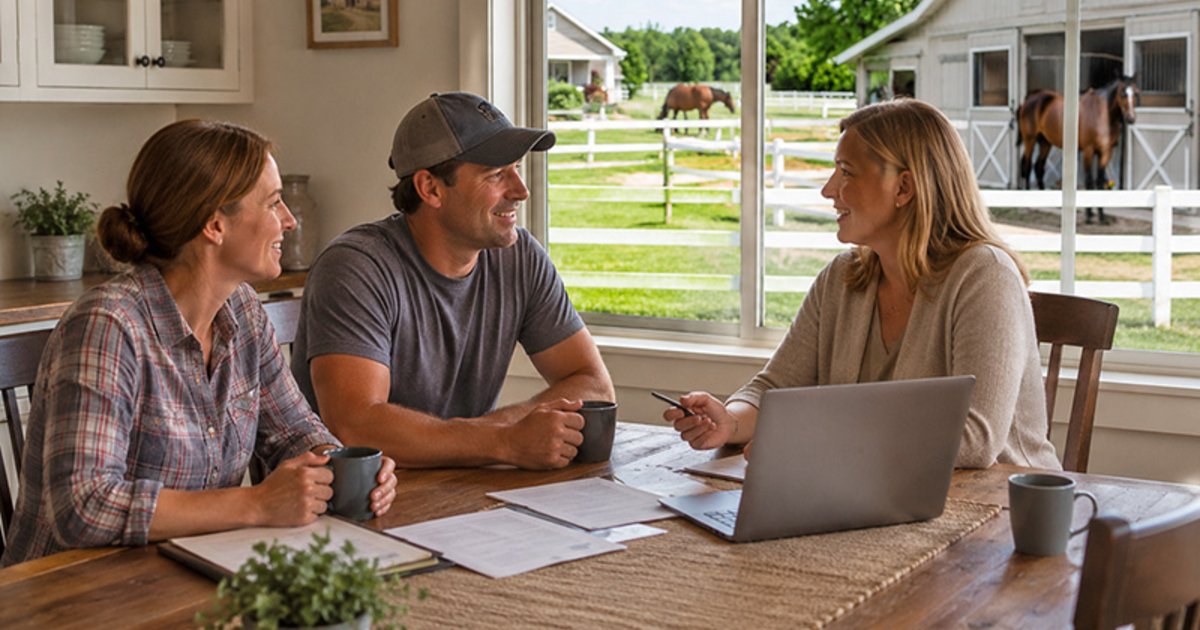
People ask me this more than almost anything else when they're about to buy their first horse. "We've got a few acres, Bob - wouldn't it just be cheaper to keep him at home?"
Sometimes yes. Sometimes no. Almost never for the reason they think.
I've done it both ways across forty years. I've walked out before breakfast to break the ice off a trough in the Texas cold. And I've paid full board and slept in on a Sunday knowing someone else had it handled. Here's the truth nobody tells you: keeping a horse at home doesn't save you money. It trades money for labor. Whether that's a bargain depends entirely on what you already own and what your days actually look like.
The monthly numbers, side by side
Let's start with what each costs once everything is in place. These are typical 2026 ranges — rural and bottom-of-range if you've got good pasture, higher near cities or in hard winters.
What you pay |
Horse at home |
Full board |
|
Typical monthly cost (after setup) |
$350–$950 |
$650–$1,600+ |
|
Hay & feed |
You buy it: $100–$400/mo |
Usually included |
|
Daily labor (feed, muck, turnout) |
Yours, every day |
Barn staff |
|
Pasture & fence upkeep, manure, repairs |
Yours |
Barn's problem |
|
Big upfront setup |
$10,000–$30,000+ (barn, fence) |
None |
On paper, $350 to $950 at home looks like an easy win over $650 to $1,600 boarded. And the research backs up the gap. Purdue's extension folks put the bare maintenance cost of a horse at home around $1,100 a year, against a minimum of roughly $2,400 to board. That difference is real. But read that phrase again - "after setup." That's three words doing an enormous amount of work, and it's exactly where first-timers get caught.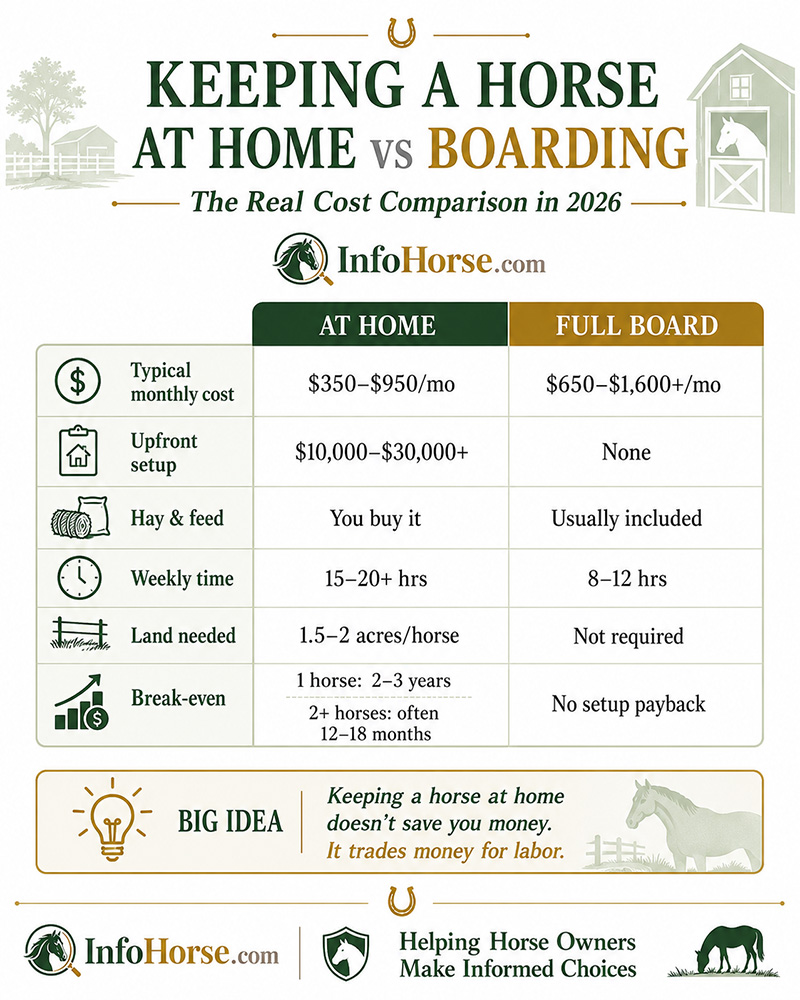
Keeping a horse at home doesn't save you money. It trades money for labor. And that trade is only a bargain if you've got the time to spend.
The upfront cost nobody budgets for
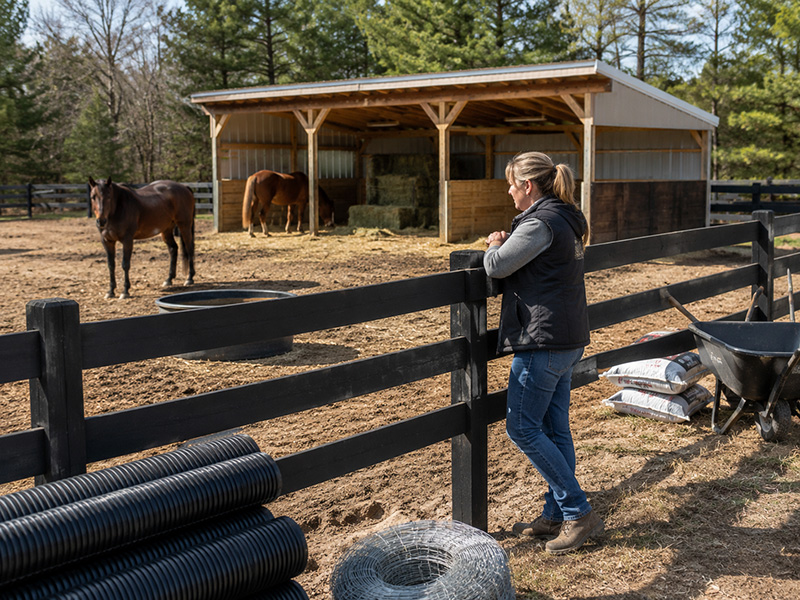
Before your horse ever sets a hoof on your place, you're writing big checks. Safe fencing runs $3 to $8 a foot installed, and one fenced acre needs better than 800 feet of it — so even a modest paddock climbs into the thousands in a hurry. A basic two-stall barn or run-in shelter runs $10,000 to $30,000. Then water, hay storage that actually keeps hay dry, and something to move manure with.
“Also remember that horses are herd animals. Keeping one horse alone at home may look cheaper on paper, but many horses need companionship to stay settled. If that means adding a second horse, pony, or donkey, your feed, farrier, vet, and labor numbers change.”
This is why the "cheaper at home" math is so slippery. One horse takes two to three years of saved board to pay back all that setup. But put two or three horses behind the same fence and under the same roof, and the cost per horse drops fast — a lot of owners come out ahead inside twelve to eighteen months. Board is a flat monthly check. Home is a big bet up front that pays you back slowly. The more horses, the better that bet looks.
Support Our Sponsor
Seven Peaks Fence
The fence you choose is the difference between a horse that's safely home and a 2 a.m. phone call. Buy it once, buy it right.
The cost that never shows up on a spreadsheet: your time
Here's the part I make every hopeful first-timer sit with. A horse at home can ask 15 to 20-plus hours a week — feeding, mucking, water, walking fence, keeping up the pasture and the property, and that's before you ride. A boarded horse asks more like 8 to 12, because the daily grind belongs to somebody else.
And the work never takes a day off. Horses eat on Christmas morning. They need water when you've got the flu. The trough freezes at 5 a.m. whether or not you slept. Keep a horse at home and you are the barn staff, the night watch, and the first responder, all of it, all the time. I'm not complaining — walking out to my own horses at dawn is the whole point for me. But go in with your eyes open. Don't let February be the month you find out.
Land and zoning: check before you buy, not after
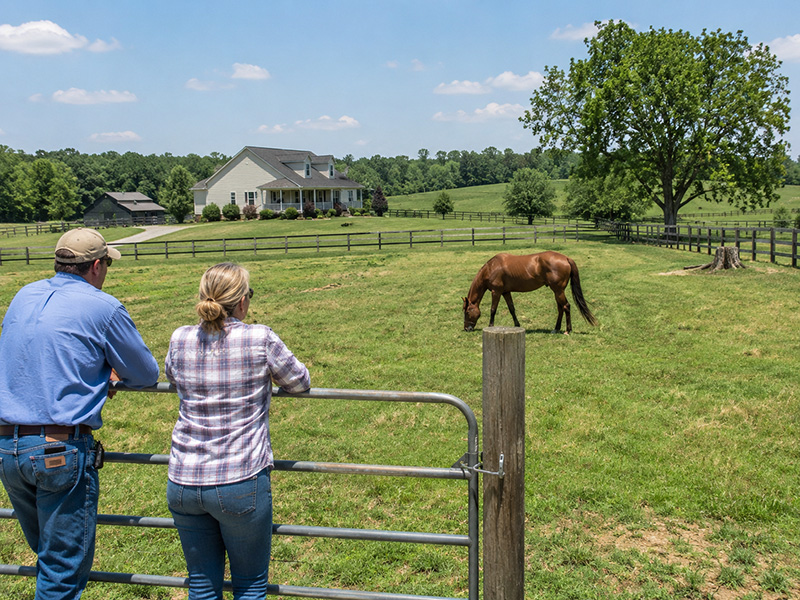
One hard reality before you fall in love with the idea: you need enough land, and you need permission to use it. Plan on 1.5 to 2 acres per horse for grazing that lasts. Crowd one horse onto a single acre and it's overgrazed in months, and now you're buying hay year-round — there go the savings you were chasing. On top of that, a lot of counties set minimum lot sizes of one to five acres for horses, with setback rules from property lines and houses, and they'll want to see shelter, water, and a manure plan.
Make the call to your county office before you commit. I've watched folks buy the horse first and learn the rules second. That's heartbreak, and one phone call prevents it.
Who covers the horse when you are sick, out of town, or there is an emergency?
Boarding barns usually have staff, backup help, and other horse people nearby. At home, you need a plan before the emergency happens: a trusted neighbor, horse-sitter, local barn friend, trailer access, vet numbers, and someone who can actually handle a horse.
So which one is actually right for you?
Strip away the romance and it's three honest questions. Do you already own suitable, properly zoned land or would you be financing a $20,000 barn to "save" $300 a month? Do you really have 15-plus hours a week, every week, including the miserable ones? And how many horses are you keeping? One horse rarely pencils out. Three often do.
Own the land, have the time, keep more than one horse - then home can be cheaper and the best thing you ever did.
Boarding often includes more than labor: arenas, trails, wash racks, tack rooms, trailer parking, trainers, barn community, and experienced eyes on the horse.
That’s worth mentioning because some readers compare only hay and stall costs, not the facility value.
Short on land, short on time, or starting with a single horse then full board is usually the smarter money once you count everything, not just the number on the monthly bill.
BP
About the author — Bob Pruitt
Bob co-founded InfoHorse.com in 1997 and has more than 40 years of hands-on horse ownership, having kept horses both at home and at boarding barns. Alongside Ann Pruitt, he has spent nearly three decades connecting horse owners with trusted, verified equine professionals and products. More about InfoHorse →
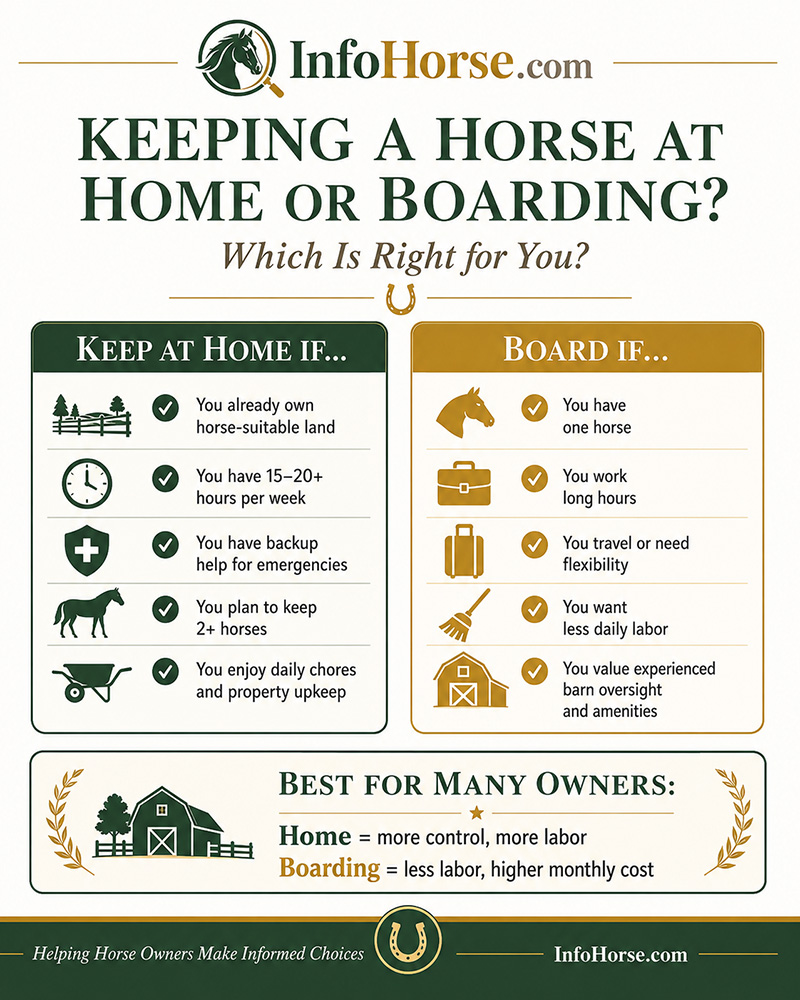
💡 Key Takeaways
- At home costs $350–$950/mo after setup; full board $650–$1,600+. The monthly gap is real, but it isn't the whole story.
- Setup is the catch: fencing at $3–$8/foot and a $10,000–$30,000 barn mean one horse can take 2–3 years to break even.
- Two or more horses spread the setup cost and often pay back in 12–18 months.
- Budget the time, not just the dollars: home keeping runs 15–20+ hours/week vs 8–12 boarded.
- Check zoning and acreage first — plan 1.5–2 acres per horse, and confirm local lot-size rules before you buy.
This is one piece of the bigger picture
The full cost-of-ownership breakdown: what a horse really costs →
How much does horse boarding actually cost? Pasture, full and self-care prices →
Frequently Asked Questions
Is it cheaper to keep a horse at home or to board?
Once set up, keeping a horse at home runs about $350–$950 a month versus $650–$1,600+ for full board. But upfront fencing and barn costs mean a single horse may take two to three years to break even. With two or more horses, savings often appear within twelve to eighteen months.
How much does it cost to set up a property for horses?
Fencing runs $3–$8 per linear foot installed, and a basic two-stall barn or shelter costs $10,000–$30,000 to build. You also need water access, dry hay storage, and equipment for manure and pasture upkeep.
How much land do you need to keep a horse at home?
Most guidance recommends 1.5 to 2 acres per horse for sustainable grazing. One acre tends to get overgrazed within months, forcing you to buy hay year-round. Many areas also require minimum lot sizes of one to five acres, so check local zoning first.
How much time does keeping a horse at home take?
Plan on 15 to 20-plus hours a week for daily feeding, mucking, water, turnout, and property upkeep, on top of riding. A boarded horse typically needs 8 to 12 hours a week because the barn handles daily care.
Does keeping a horse at home make sense for one horse?
Often not, on cost alone. A single horse rarely spreads the big setup expense enough to beat board quickly. Keeping horses at home pencils out best when you already own suitable land and are keeping two or more horses.
Sources & Further Reading
Purdue University Extension — Keeping Horses at Home vs. Boarding (AS-553-W) →
Cost figures are typical 2026 ranges drawn from facility surveys, extension publications, and direct experience — not quotes. Setup costs, land prices, and zoning rules vary widely by region; always confirm local figures and regulations before deciding. This article is educational and not a substitute for veterinary, legal, or financial advice.