

Is My Arena Dust Hurting My Horse?
The Science Behind Arena Dust and the Respiratory System
The Shared Burden
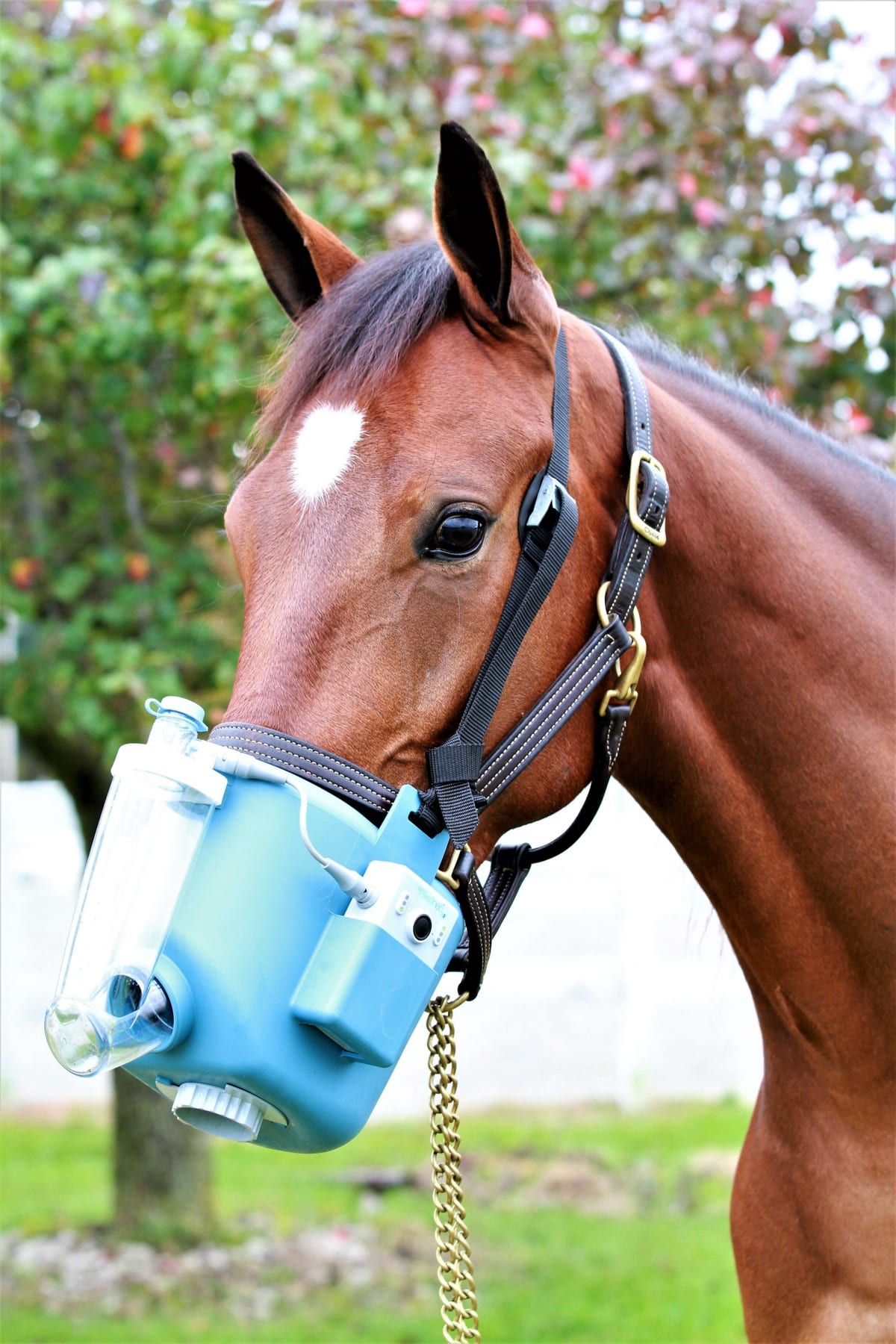
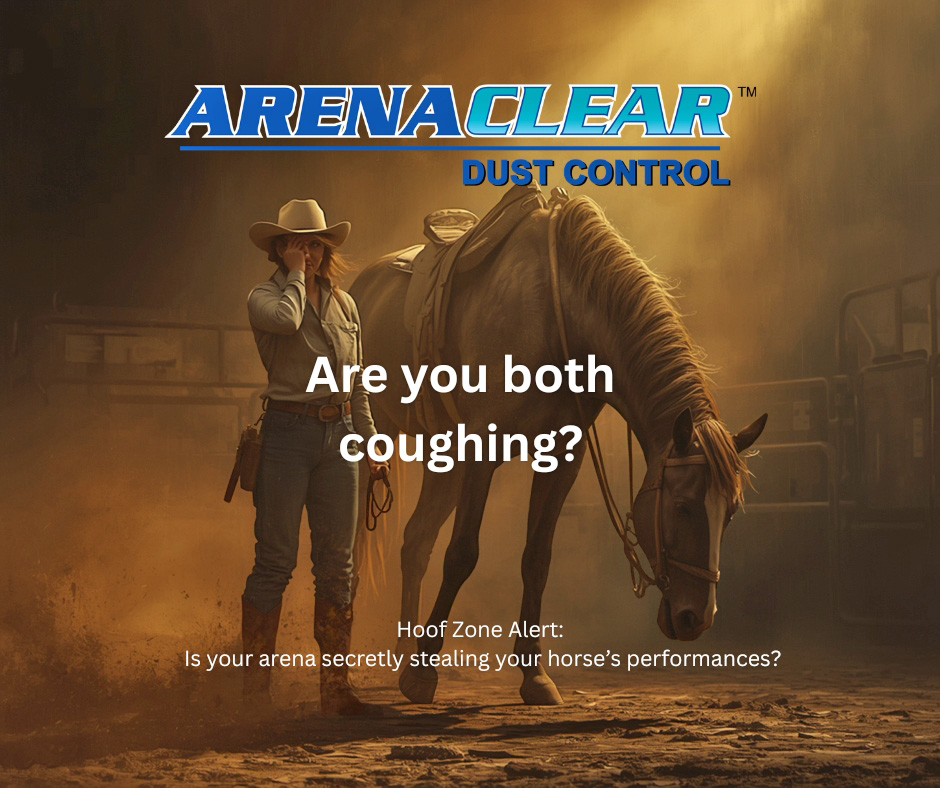
Coughing is an important protective reflex for you and your horses. Typically, it signals exposure to an environmental irritant, such as smoke, dust, or chemicals. However, when we hear coughing, we must consider underlying medical conditions, including respiratory infections, allergies, equine asthma, and the chronic effects of inhaling dust.
In our industry, there is an invisible offender we can no longer ignore: respirable free crystalline silica, affecting both you and your horses.
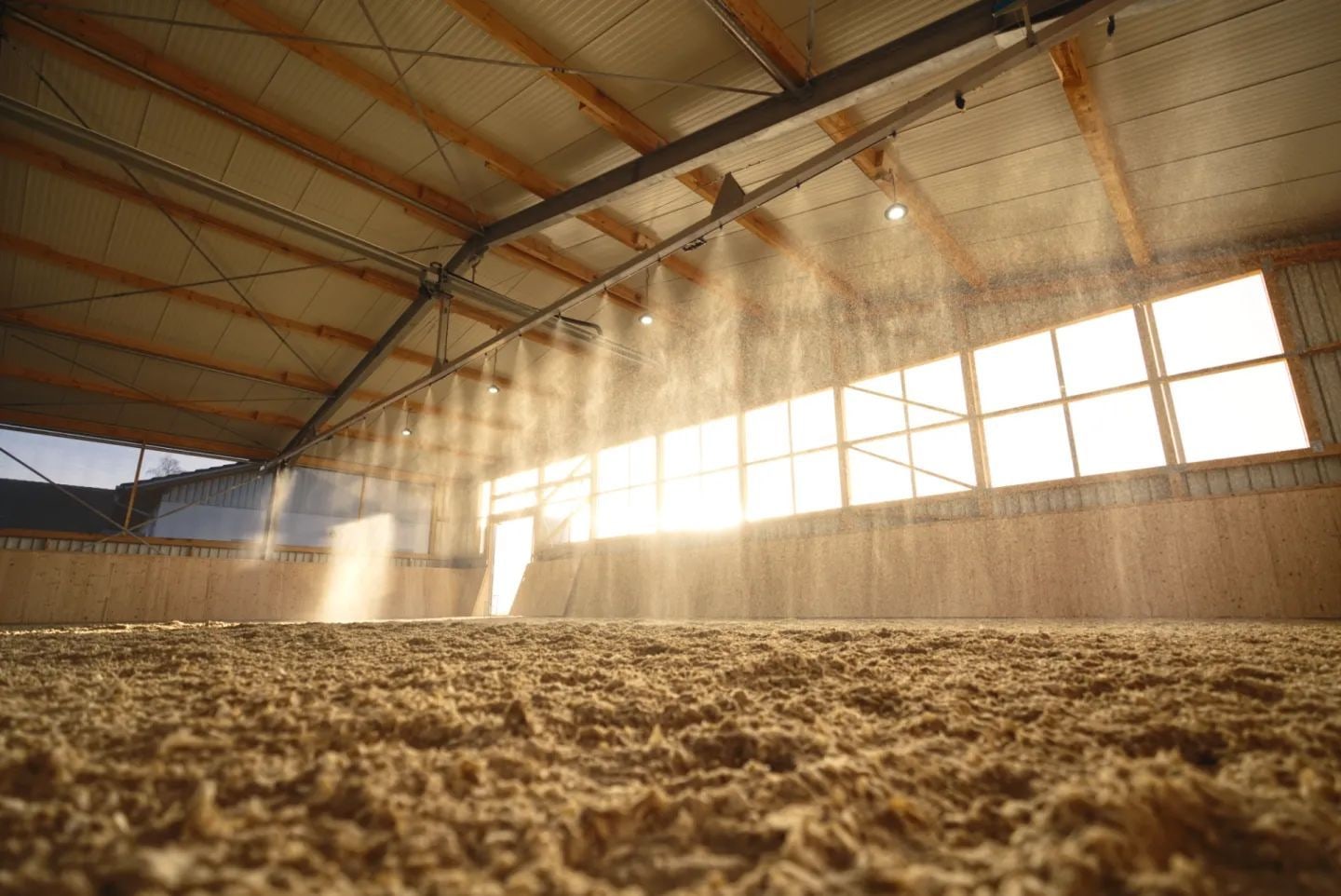
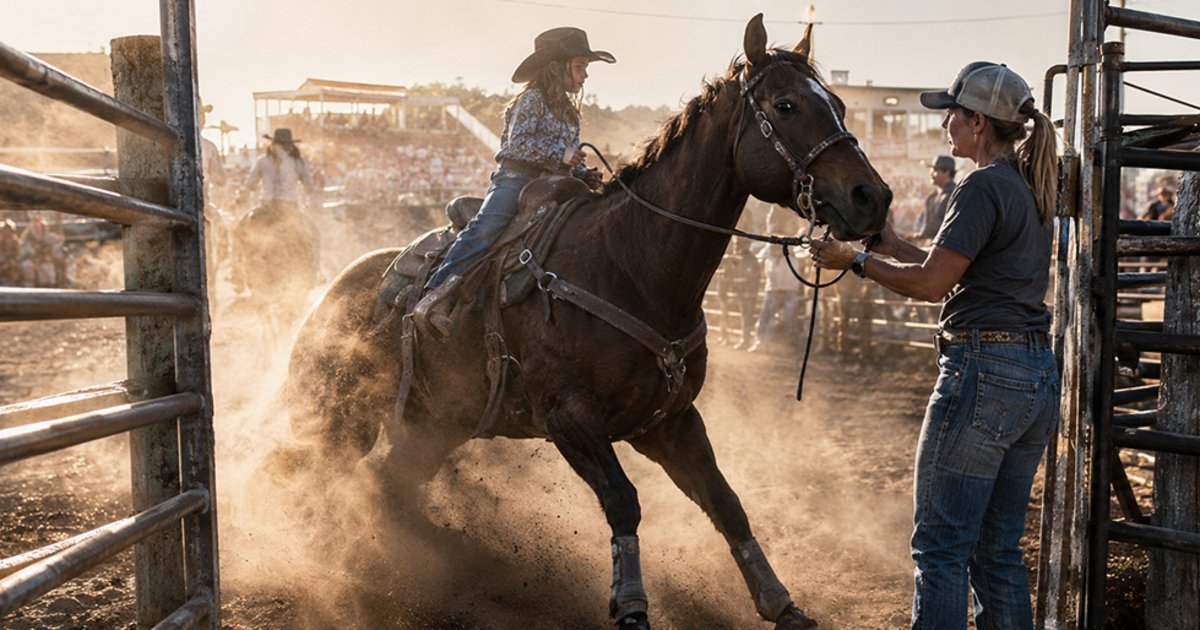
You cannot see sub-10-micron respirable crystalline silica particles with the naked eye. It is that faint haze you see illuminated by the lights during heavy workouts. Because owners, trainers, riders, and students cannot see these microscopic dust fragments, three dangerous myths persist in the equine world.
- Myth 1: What you cannot see cannot hurt you. The opposite is true—what you cannot see hurts you the most. These particles are so small that they bypass the upper respiratory system’s natural filters and do the most profound deep-tissue damage.
- Myth 2: It takes years of constant exposure to get sick. This is also untrue. The Occupational Safety and Health Administration (Osha) shares, “A single exposure can set off a lifelong reaction.” While that sounds extreme, it describes exactly how silicosis triggers your lungs' immune defense mechanism and evolves into a lasting illness.
- Myth 3: It is just a warm-up cough; it is probably nothing. A non-productive cough could be due to environmental triggers, allergies, the tail end of a local virus, or even medications. That is for your physician or veterinarian to determine. Conversely, a wet, productive cough expels mucus or phlegm from the lungs and helps clear fluids caused by an active infection or seasonal allergies—but it does not clear respirable mineral dust. Again, this requires professional medical evaluation.
I am explaining the clinical signs of silicosis and other respirable diseases that the equine industry is all too familiar with.
*This text is for informational purposes and does not constitute medical advice; always consult your physician or veterinarian for professional evaluations.
The Direct Medical Threat
Every time your horse works in a dry, dusty arena, it inhales up to 600 gallons of air per minute, effectively turning its delicate lung tissue into a mechanical filter. While a single cough at the start of a ride may seem like a simple “warm-up hack,” it is often the first clinical warning sign of inflammatory airway disease triggered by microscopic silica.
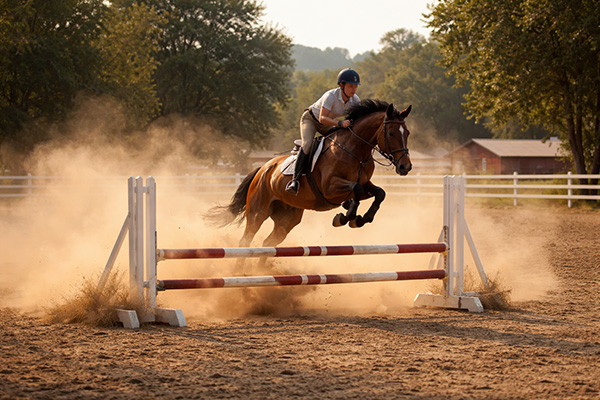
Because horses carry their heads close to the ground, they inhale directly from the “plume zone,” where their hooves continuously pulverize arena sand into fine, airborne particles day after day. Furthermore, performance horses are typically stalled within 30 feet of their indoor arenas; we must add that proximity to the respiratory equation. Look closely at your boots after a short lesson.
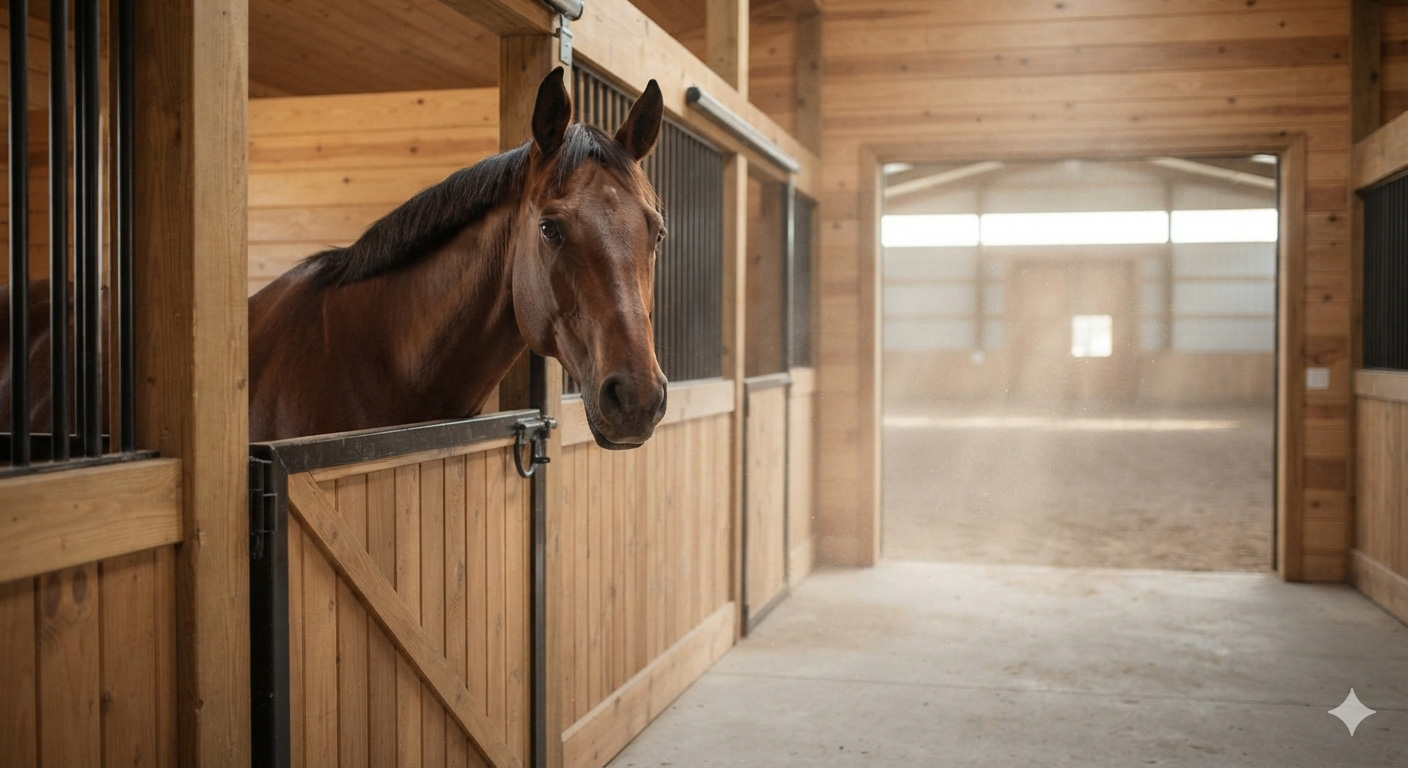
This isn't an environmental nuisance you can simply brush off. Equine lungs support vital oxygen exchange, which is critical to their long-term well-being and high performance. Uncontrolled arena dust lays down a foundation of rigid, fibrous scar tissue that permanently robs your performance horse of its baseline lung capacity.
The Macrophage Battle
The true damage occurs deep inside the soft alveoli lobes of the lungs. Once microscopic silica shards settle there, the horse’s immune system recognizes them as dangerous foreign invaders.
Just as white blood cells rush to fight off an active virus, specialized immune cells called macrophages arrive to engulf and destroy the silica. However, because crystalline silica contains razor-sharp crystalline structures, it punctures the immune cells from the inside out. As these cells rupture, they release destructive inflammatory enzymes into the surrounding tissue.
This continuous cycle of cell death and localized irritation triggers a chronic, cyclical inflammatory response. Over months and years of exposure, the lungs lay down rigid scar tissue to isolate the perpetual irritation. This pathological process, known as fibrosis, permanently decreases lung elasticity and directly drives the progression of severe equine asthma, also known as heaves or Inflammatory Airway Disease (IAD).
Diagnosing the “Arena Hack”
How do you know if your arena is actively harming you or your horses? Look closely for these critical clinical warning signs:
- A persistent cough during the first 5–10 minutes of a workout, too often casually dismissed as a "warm-up cough."
- Flared nostrils or an increased respiratory rate that takes an unusually long time to return to normal resting baselines after exercise.
- Clear, white bilateral nasal discharge post-ride.
- A subtle, progressive loss of stamina or uncharacteristic resistance during intensive workouts.
*This text does not constitute medical advice; always consult your veterinarian or primary physician.
Prescribing the Fix: Protecting Your Horse’s Airways
You cannot eliminate every environmental dust particle, but you can improve the immediate environment to protect your horse’s long-term soundness and respiratory health. When evaluating your dust-management solutions, look for strategies and products that protect the horse, the human, and your structural property.
- Prioritize Eco-Safe Solutions: Investigate specialized dust control products that will not cause future environmental runoff issues, drop your property values, or harm native trees, ponds, water wells, streams, fish, or open pastures.
- Keep Particles Bound: Choose treatments that actively bond micro-particles into larger elements, keeping them heavy and hydrated so they cannot become airborne. Water-activated, mineral-based solutions—such as Arenaclear™—are widely used across the industry to bind these microscopic elements deeply into the footing matrix without introducing harsh chemical contaminants.
- Minimize Dragging Operations: Drag and groom your arena only as much as absolutely necessary for your specific discipline. Over-grooming mechanically breaks down sand aggregates into fines and respirable dust.
- Remove Manure Promptly: Pick up manure consistently; dried manure breaks down into toxic organic dust. When mixed with pulverized silica sand, it creates a highly dangerous, respirable chemical cocktail.
Trust me, you would want to control your arena dust immediately if you truly knew what was in it! But that is another blog for later.
"Healthy soil is neither dusty nor muddy." — Teri Coss Clark
Arenaclear™ Dust Control and PastureDRY for Mud utilize the same natural agricultural mineral ingredients found in healthy, functional soil. It replenishes what is missing and helps restore your soil's organic profile. It is the ultimate long-term budget win. Arenaclear™ treats your footings outdoors or at ground level indoors for less than 3 cents per square foot and lasts a full year or more.
Your horse’s lungs do not come with a reset button. The silica they inhale today creates the rigid scar tissue they must live with tomorrow. Manage your horse’s footing like your horse’s career depends on it—because it does.
The Arenaclear™ Creed
“Today, women not only make up 93% of equine caretakers, owners, and managers, but they also represent more than 83% of veterinary school graduates—firmly establishing female leadership across every level of horse care and veterinary medicine.” — Teri Coss Clark
Women are vital to the equine industry, just as our horses are to us. That is why John and I make Arenaclear™—to protect their well-being, support the people who care for them, and help sustain the proud equine legacy we leave for future generations. — Teri Coss Clark, Author
We are pleased to announce that Arenaclear™ has been officially chosen as the “Official Dust Control Product for the Wpra”, proudly delivering on Teri and John’s mission to prioritize health, safety, and environmental stewardship across the global equine industry.
Scientific and Regulatory References
- Occupational Safety and Health Administration (Osha): Crystalline Silica Exposure Guidelines & Health Effects (dealing with cellular mechanisms of silicosis and pulmonary fibrosis).
- American Association of Equine Practitioners (AAEP): Equine Asthma Diagnosis and Management of Inflammatory Airway Disease (IAD).
- Veterinary Clinics of North America: Equine Practice: The Effects of Environmental Particulates on the Equine Respiratory System.
Author Biography
Teri Coss Clark is an active clinical presenter, owner of Arenaclear™ Dust Control and PastureDRY for Mud, and a recurring contributor to national and international equine magazines. As the National Marketing Director for Stall DRY for 14 years, Teri educated horse owners, barn managers, and land stewards on critical topics ranging from arena dust control and ammonia management to soil health and environmental sustainability for humans and horses alike.Arenaclear™ Dust Control