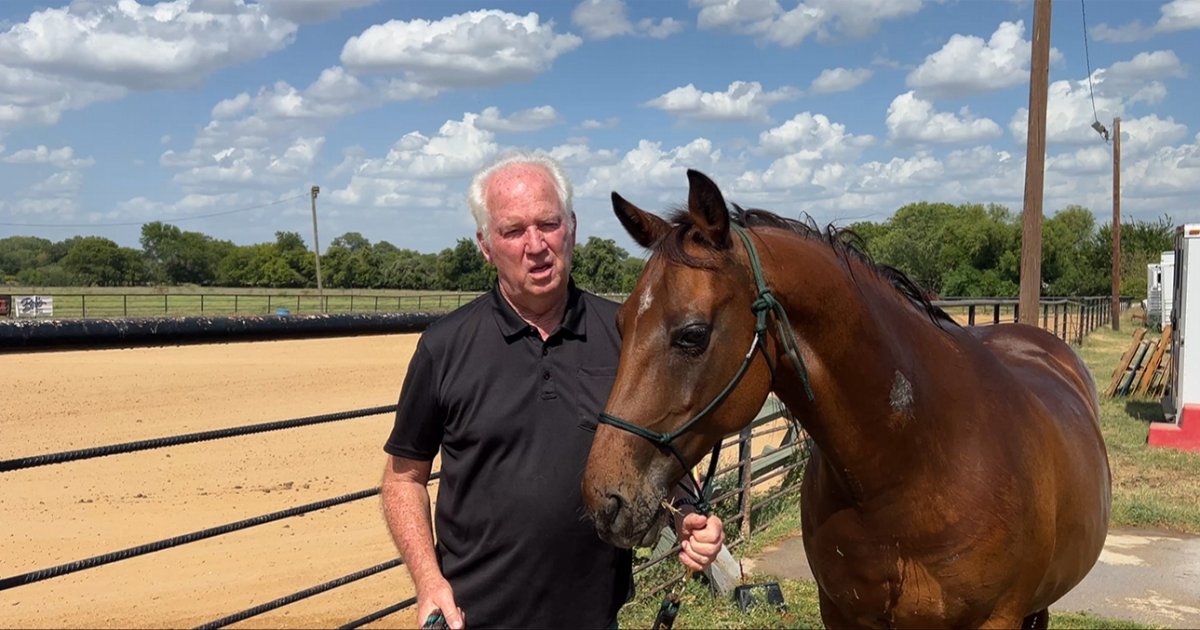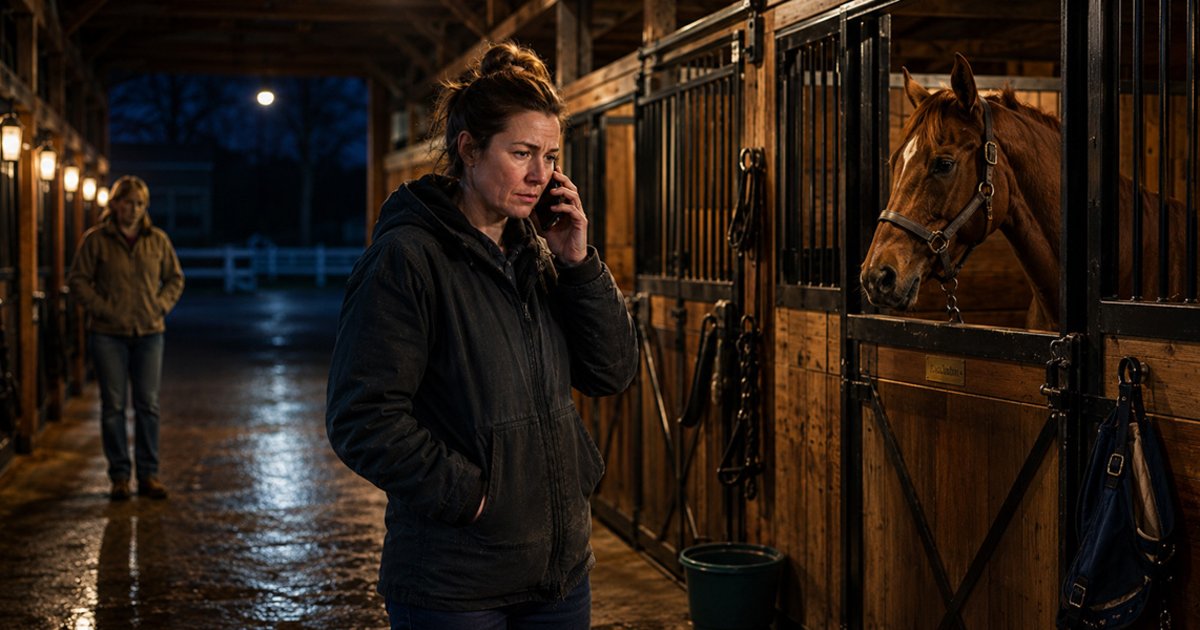


This article started with my daughter’s horse.
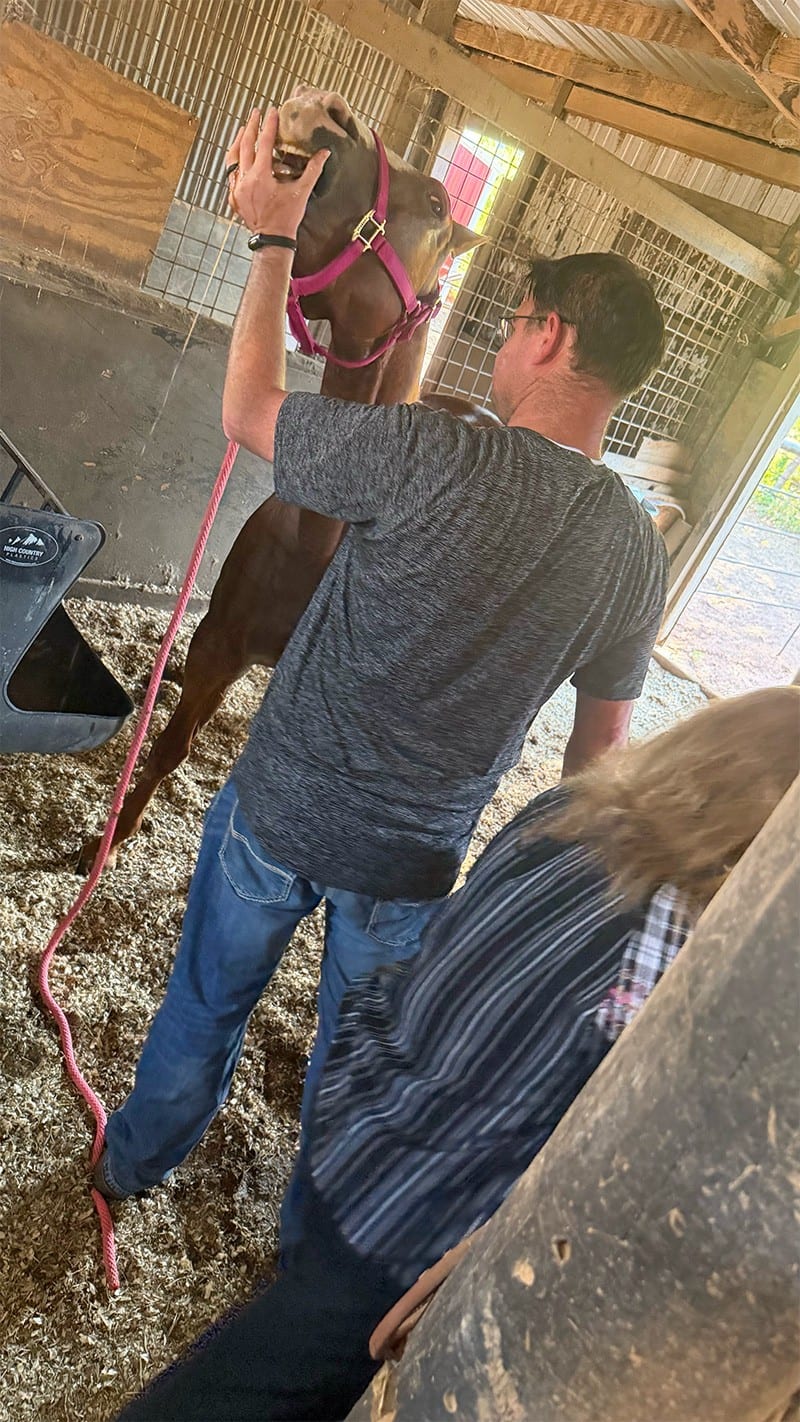 He was going through what appeared to be a very mild colic. Nothing dramatic was happening. He wasn’t violently rolling. He wasn’t covered in sweat. He wasn’t showing the kind of symptoms that immediately make everyone in the barn realize there is an emergency.
But something wasn’t right. And we knew it.
We knew the horse. We knew what normal looked like for him, and what we were seeing wasn’t quite normal.
That is really where this article began.
I can’t tell you that noticing the problem early is the reason his colic remained mild. What I can say is that because we were paying attention, we recognized what was happening while his symptoms were still mild. We could watch him carefully, gather information and respond instead of waiting until the horse had to make the problem obvious to us.
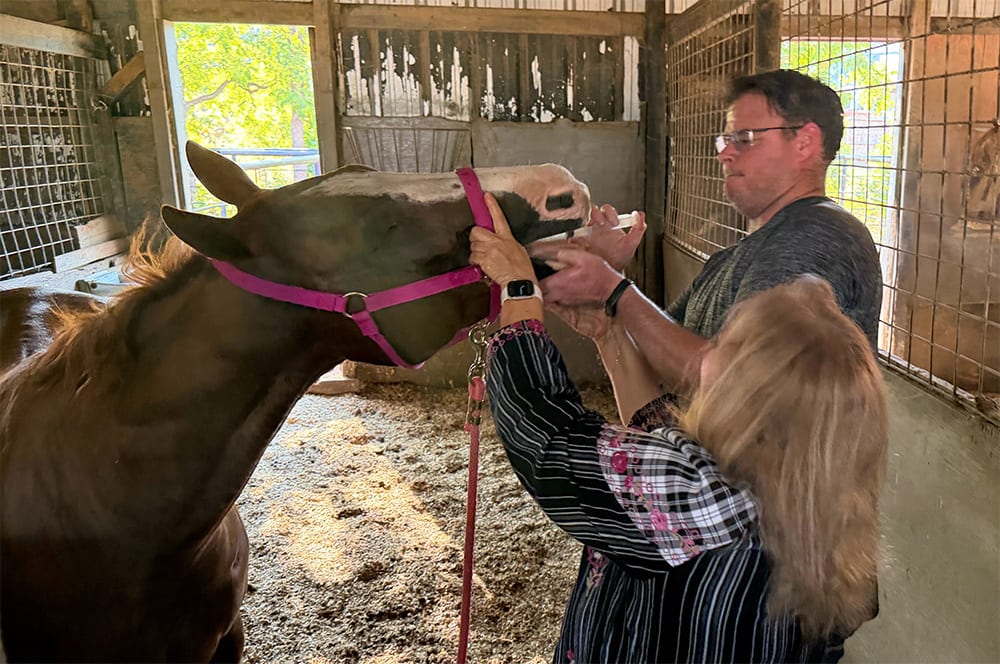
My son Rob happened to be there and took photographs during the episode. Looking at those pictures afterward made me think about how valuable they might be to other horse owners.
Not photographs of a horse in a dramatic emergency. Photographs of a horse when something is simply not quite right yet.
Because that is the part I think we sometimes miss.
Before the Emergency, There Is Often a Change
Horse owners become very good at recognizing emergencies.
- A horse thrashing on the ground gets our attention.
- A horse with blood running down a leg gets our attention.
- A horse that suddenly can’t bear weight gets our attention.
But good horse care also happens before things become that obvious.
Sometimes the first indication of colic is simply that a horse lies down at an unusual time. Sometimes he is lying down but doesn’t look completely comfortable.
- Maybe his head stays raised.
- Maybe he gets up, moves around and lies back down.
- Maybe he doesn’t come over looking for the apple slice he normally expects.
- Maybe he looks toward his side once or twice.
- Maybe there is less manure than you would normally expect.
None of those things, individually, necessarily means that you have a serious problem. But they are changes. And changes deserve our attention.
That’s the important word in this article: Awareness.
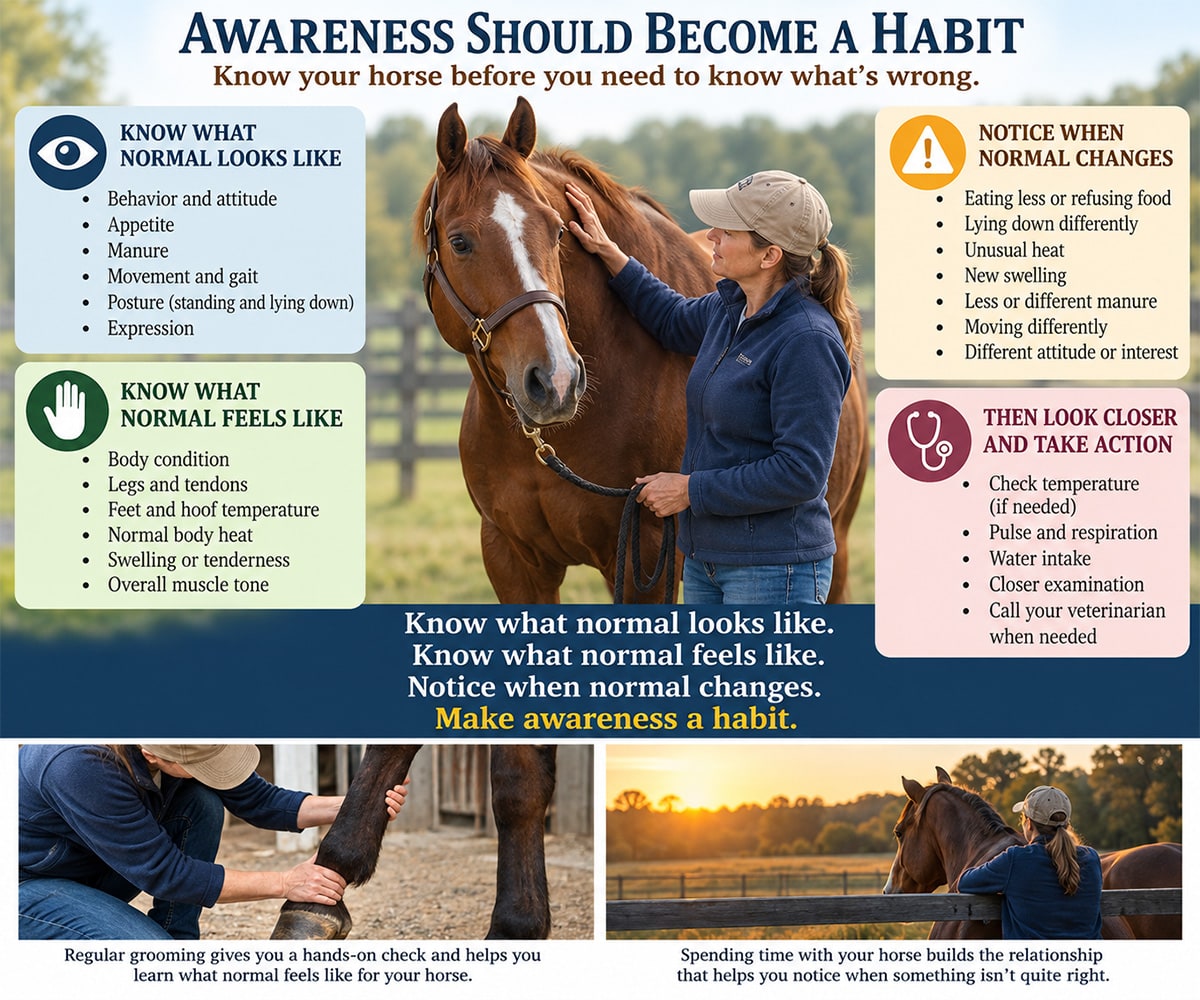
Awareness Should Become a Habit
I don’t think horse owners should spend their lives worrying about everything that might go wrong. That would take much of the joy out of owning horses.
But I do believe awareness should become automatic.
When I walk into the barn, I look at the horses. Not because I’m expecting a problem. It’s simply a habit.
- Who is eating?
- Who is standing where?
- Is somebody lying down?
- Does that horse look relaxed?
- Did everybody come over like they normally do?
- Is somebody unusually quiet?
When I groom a horse, my hands are doing the same thing. I’m not deliberately performing a medical examination. I’m grooming my horse.
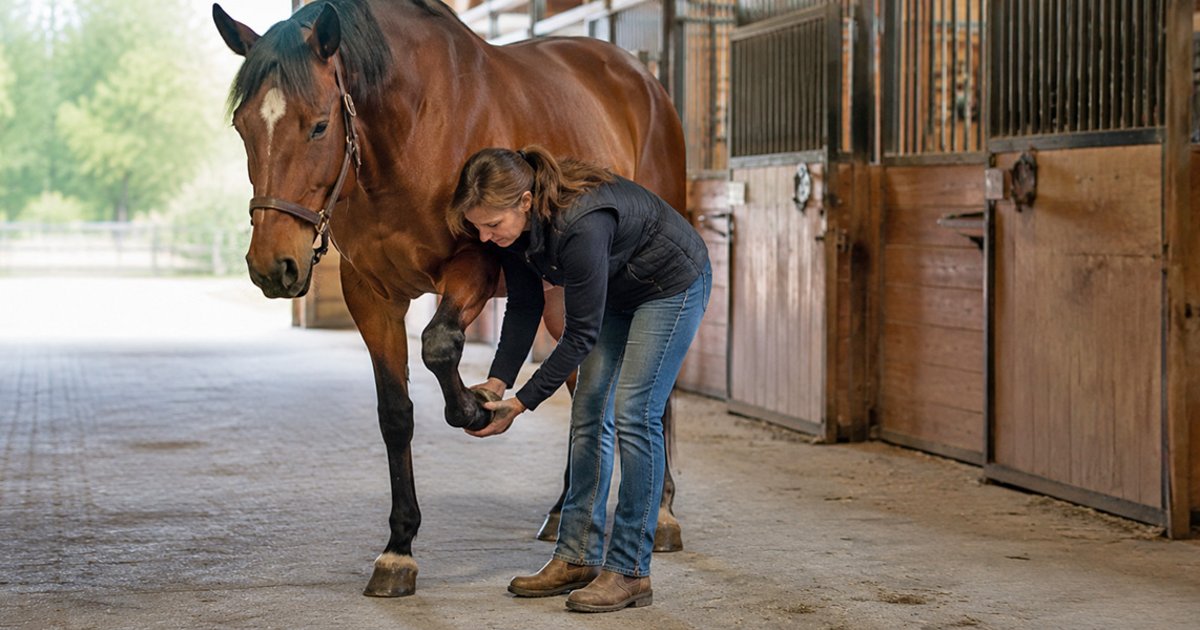
But while I am doing it, I am feeling the legs. Feeling the body. Looking at the skin. Handling the feet. Noticing weight. Noticing heat. Noticing swelling.
After you have handled the same horse enough times, you develop a pretty good understanding of what normal feels like. And then one day your hand tells you: That’s different.
That is when you look closer.
My Hands Are the First Check
One of the things I have learned from owning horses is that your hands can be a very useful first check.
If I handle the horse every day, I know approximately how warm his body normally feels. I know what his legs normally feel like. I know his feet. I know the little bumps and imperfections that have been there forever.
So when something changes, I tend to notice it.
That doesn’t mean my hand replaces a thermometer. It doesn’t. What my hands can tell me is: Maybe I need to get the thermometer.
The same thing applies to a leg. I might feel a little heat or swelling. Now I look closer.
- Maybe it is nothing important.
- Maybe another horse bumped him in the pasture.
- Maybe there is a small cut underneath the hair.
- Maybe there is something that needs attention before it becomes infected or significantly swollen.
That is why I think regular grooming is one of the simplest health-management tools we have. You are putting your hands on the horse.
Colic Is Only One Example
Our experience with my daughter’s horse happened to involve colic, but the principle applies to almost everything we do with horses.
- A small wound can remain a small wound if you find it, clean it and deal with it appropriately.
- A little swelling can lead you to discover an injury before the horse becomes noticeably lame.
- A change in appetite can tell you that something isn’t right before other symptoms develop.
- A water bucket that hasn’t gone down the way it normally does can make you question whether the horse is drinking enough.
- A horse who normally walks up eagerly but suddenly stands quietly in the back of the stall can tell you something just through his behavior.
- A warmer-than-normal foot can make you look more carefully.
- A horse gradually becoming overweight can be addressed before the consequences become much more difficult to manage.
None of these observations makes us veterinarians. They make us horse owners who are paying attention.
Learn What Normal Looks Like Before You Need to Know
It is difficult to recognize abnormal if you don’t know normal. That sounds obvious, but I think it is one of the most important things we can teach new horse owners.
- Know how your horse normally eats.
- Know approximately how much he drinks.
- Know what his manure normally looks like.
- Know how he normally rests.
- Know how he walks out of the stall.
- Know what his legs normally feel like.
- Know what his feet normally feel like.
- Know his normal attitude.
- Know his healthy temperature, pulse and respiration.
Learn these things when the horse is healthy. Then you have something to compare against when the day comes that you are standing there thinking: “Something just isn’t right.”
A starting point for vital signs: UConn Extension gives a healthy adult horse at rest a temperature of 99 to 101°F, a pulse of 32 to 44 beats per minute and 8 to 16 breaths a minute. Every horse is a little different, so take your own horse’s numbers a few times while he is healthy and write them down.
Don’t Wait for the Horse to Shout
I think horses frequently whisper before they shout. The problem is that whispering is easy to ignore.
- A little less enthusiasm for breakfast.
- Standing differently.
- Lying down a little longer.
- A little swelling.
- A little heat.
- A small change in manure.
- A little stiffness.
None of those things is dramatic. And most of them will turn out to be minor.
But occasionally that little change is the first opportunity the horse gives us to get ahead of a bigger problem.
I would rather investigate something small and discover that I worried unnecessarily than overlook it and later wish I had paid more attention.
That doesn’t mean panicking. It means observing.
Water Is One of My Simple Safeguards
Our horses have automatic waterers in their stalls and outside. I still hang a bucket of water in the stall.
It is one of those little things that gives me peace of mind. Automatic systems are wonderful. Automatic systems also break. A valve can stick. A line can clog. Something can fail.
The bucket gives the horse another source of clean water. It also gives me another way of seeing whether a horse is drinking.
If a horse normally drinks part of that bucket and suddenly doesn’t, I notice. If a horse suddenly empties far more than usual, I notice that too.
The point isn’t the bucket. The point is the habit of noticing.
Look at the Manure
Anybody who has horses eventually becomes a manure inspector whether they planned to or not.
You don’t need to study every pile. But you should know what is normal.
If I am concerned about a horse, one of the first things I want to know is whether he has been passing manure.
- Is there the normal amount?
- Is it unusually dry?
- Is it unusually loose?
- Has something changed?
Again, manure doesn’t diagnose the horse. It gives us information.
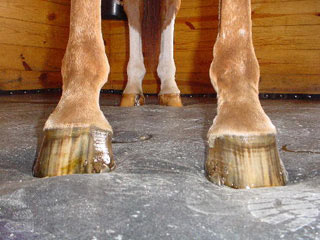
Feet Deserve the Same Attention
Handle the feet. Pick them up. Know them.
You aren’t trying to replace your farrier. You are trying to know what normally belongs on the end of your horse’s leg.
If something suddenly feels warmer, looks different, smells different or makes the horse react differently, you have a reason to investigate.
It is another small check that eventually becomes automatic.
Watch Weight Before It Becomes a Problem
This is another area where awareness matters.
Horse owners love feeding horses. I certainly understand it. It feels like kindness.
Unfortunately, sometimes we can create health problems through that kindness.
Horses can gradually become overweight while we barely notice because we see them every day. The change happens slowly.
- A neck gets a little thicker.
- The ribs become a little harder to feel.
- The girth moves another hole.
Some horses and certain breeds are particularly prone to metabolic problems, which makes weight management even more important. Our guide to equine metabolic syndrome and insulin resistance explains why.
This is another reason to use your hands. Don’t only look at the horse. Feel the horse.
Awareness gives us the opportunity to make smaller management changes instead of waiting until we are dealing with a much bigger health problem.
Small Problems Are Easier Problems
Not every problem can be prevented. Not every disease can be caught early. And sometimes a serious problem develops incredibly quickly regardless of how attentive the owner is.
Horse ownership doesn’t come with guarantees.
But there are also plenty of problems that can be managed much more easily when we recognize them sooner. That’s what I’m really talking about.
- A little cut before infection.
- A little swelling before it gets worse.
- A weight problem before metabolic consequences.
- A water problem before significant dehydration.
- A hoof problem before major lameness.
- A horse acting slightly uncomfortable before the discomfort becomes severe.
We can’t prevent everything. But we can give ourselves more opportunities to help our horses by being present enough to notice.
The Two-Minute Habit
I think every horse owner can develop a simple habit.
You walk into the barn or pasture and, without making a production out of it, you look.
- Is my horse acting normally?
- Is he interested in food?
- Is clean water available?
- Does the manure look normal?
- Is he standing comfortably?
- Is he moving normally?
- Does his expression look normal?
- Any obvious cut, swelling or injury?
Then, when you groom him: Do his body, legs and feet feel normal?
And if something doesn’t? That is when the check gets more serious.
- Temperature.
- Pulse.
- Respiration.
- A closer look at gums, hydration, manure and appetite.
- A call to the veterinarian when appropriate.
It doesn’t take much time. Eventually you aren’t even consciously going through a checklist. It becomes a habit.
That’s Really What Happened With My Daughter’s Horse
Going back to where this article started, my daughter’s horse wasn’t showing us a spectacular emergency. He was showing us a change.
Because we knew the horse and were paying attention, we recognized the signs while they were still mild.
We watched. We checked. We were prepared to escalate if things changed.
Thankfully, the episode remained mild.
And looking back at the photographs Rob took made me realize those quiet moments might be more useful to another horse owner than photographs of the dramatic stage of colic.
Because the goal isn’t to become good at recognizing a horse that is already in terrible trouble. The goal is to become better at noticing the horse who may be starting to have trouble.
Enjoy Your Horse—But Know Your Horse
Our horses are where Ann and I go to relax from the everyday work of building and supporting InfoHorse.com.
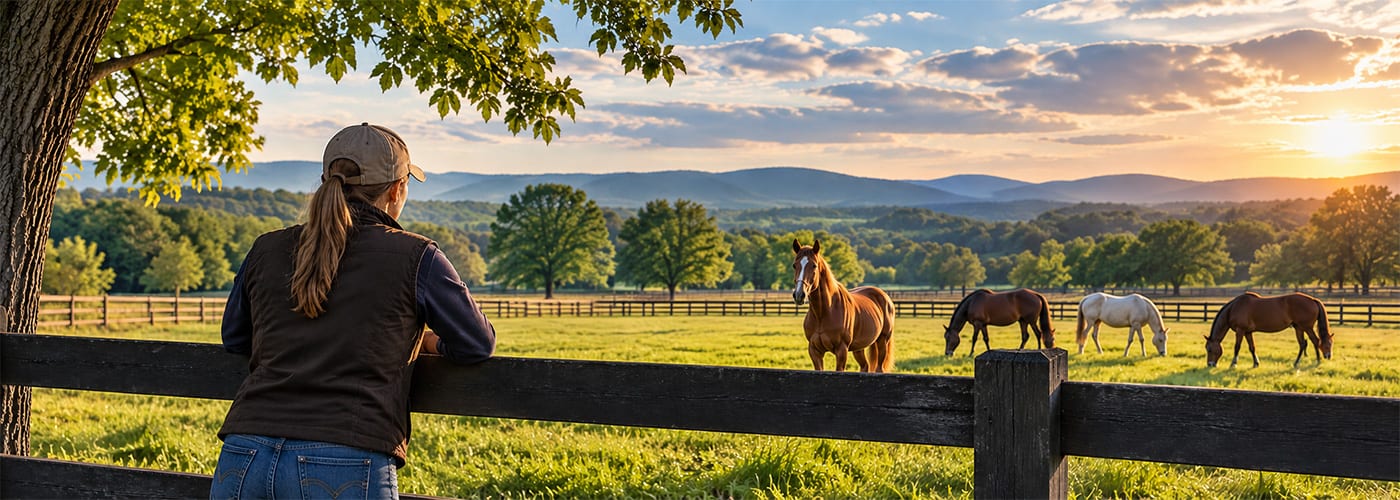
I don’t want the barn to become a place where I walk around looking for things to worry about. I want to enjoy the horses.
I want to ride. Groom. Give out apple slices. Stand around the barn longer than I intended. Watch them in the pasture. Enjoy them.
And maybe that is exactly why awareness becomes so natural.
When you spend time with horses—not just riding them, but actually being around them—you begin to learn their habits.
- You know the expression on a particular horse’s face.
- You know who always wants attention.
- You know who is first to the gate.
- You know who sleeps where.
- You know who drinks from which bucket.
- You know who wants the last bite of hay.
And when something changes, you notice.
That relationship may be one of the simplest and most valuable health tools a horse owner has.
Know what normal looks like. Know what normal feels like. Notice when normal changes. And make awareness a habit.
Your horse doesn’t have to be in an emergency before he deserves your attention.
Sometimes the best thing we can do for a horse is simply notice the small thing while it is still small.
Keep reading on InfoHorse: Horse Colic: How to Read the Signs and What to Do Before the Vet Arrives and Clean Water Is One of the Most Important Parts of Horse Health.
This article reflects the observations and experiences of a horse owner and is intended for general education. It is not a substitute for veterinary diagnosis or treatment. Contact your veterinarian promptly whenever you suspect colic, significant illness or injury or when a horse’s condition is worsening.