

Sometimes the road back to other people begins with a horse.
In 2023, the U.S. Surgeon General issued an advisory calling attention to what he described as an epidemic of loneliness and isolation in America. The concern was bigger than simply feeling lonely. Social connection plays an important role in our physical health, emotional well-being and communities.
There are probably a lot of reasons we have become more disconnected from one another. Social media gets plenty of blame, and perhaps it deserves some of it, but I think that is an oversimplification.
Many of us spend more of our lives looking at screens and less time talking face-to-face. We can work from home, shop from home, order dinner from home and entertain ourselves without ever having to speak to another person. Somewhere along the way, some people have also lost a connection with animals, the outdoors and the natural world.
InfoHorse.com is a horse website, so you probably won't be surprised that I think horses might be able to help.
Not because everyone needs to go out tomorrow and buy a horse. Please don't.
But because the horse world has something that is becoming surprisingly difficult to find in modern life: real connections.
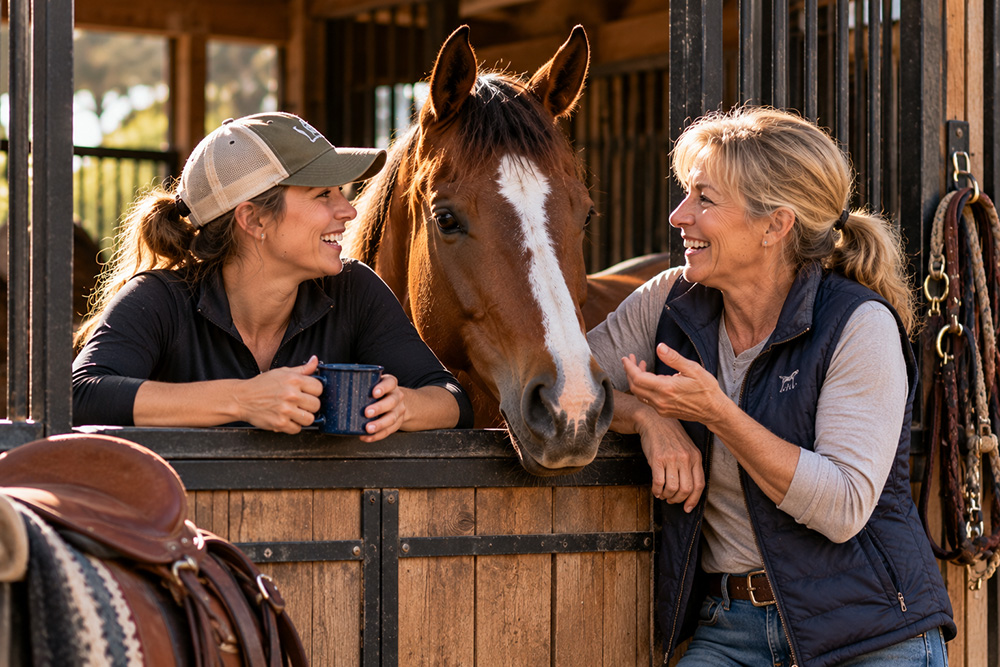
Connections with animals. Connections with nature. Connections with people. And eventually, if you are fortunate, a connection with one very special horse.
“Out Where A Friend Is A Friend”
Gene Autry recorded his famous Western song Back in the Saddle Again in 1939. There is a little line in that song that has always seemed to fit the horse world:
"Out where a friend is a friend."
I've spent a lot of years around horse people, and there is something to that.
Go to a horse barn and ask somebody about their horse.
You may want to pull up a chair.
Horse people generally love talking about their horses. Ask the horse's name and you'll probably get the breed, age, pedigree, personality, favorite treat, the story about the time he escaped through the wrong gate and possibly a complete medical history.
That's part of what makes the horse community different.
Horses give us something in common before we ever know much about one another.
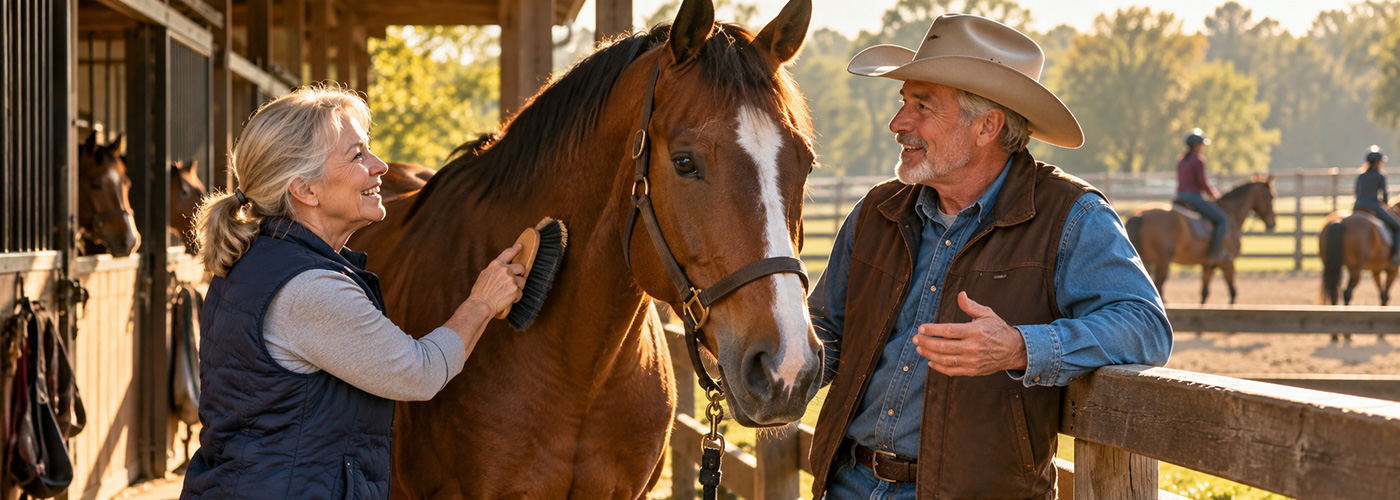
You can have two people from entirely different backgrounds standing beside a stall who suddenly have plenty to talk about because one of them asks, "What kind of horse is that?"
A conversation has begun.
Sometimes a friendship begins the same way.
Horses Have A Way Of Bringing People Together
My wife and I sometimes ride near parks or schools where children can see the horses. With permission and when it is safe, kids may get an opportunity to come closer with their parents or teachers and meet them.
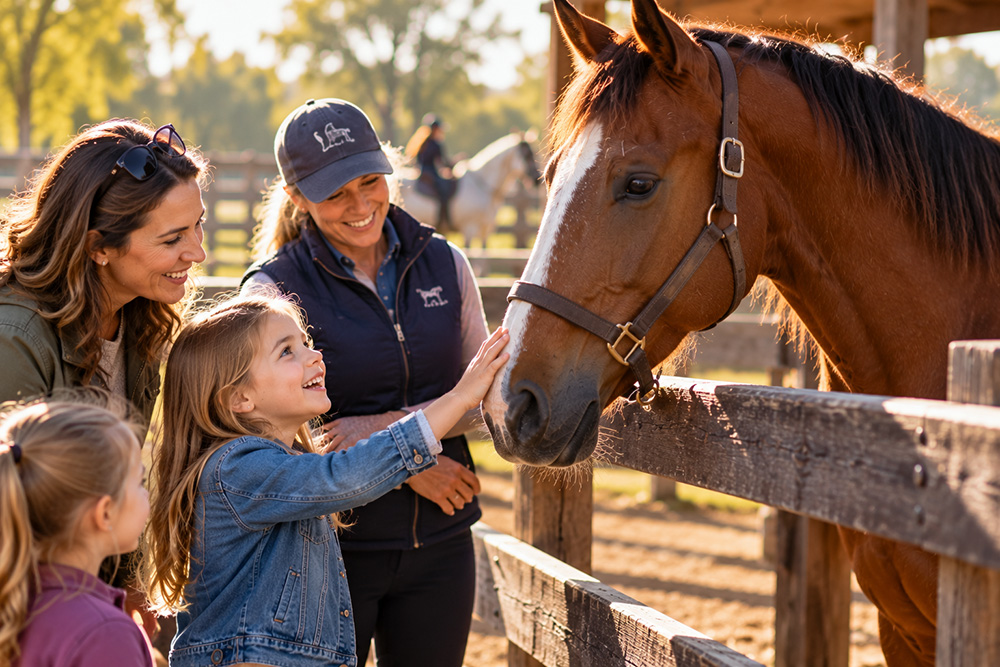
I love watching what happens.
A child who may have been staring at a phone a few minutes earlier is suddenly staring at a horse.
A real horse.
They want to know his name. They want to know what he eats. They want to touch his nose. They ask whether horses sleep standing up, how fast they run and whether they bite.
For some children, that five-minute encounter may simply be a fun memory.
For somebody else, it may be the beginning of a lifelong relationship with horses.
Most of us who have loved horses for decades can remember one of those first horses. Maybe it wasn't even ours. It could have been a neighbor's horse, a pony at a fair, a lesson horse or a horse we saw over a fence.
Somehow that horse opened a door.
You Don't Have To Own A Horse
This is the part I really want people who are lonely—or simply looking for something different in their lives—to understand.
You don't have to own a horse to become involved with horses.
In fact, I wouldn't recommend buying one until you have spent enough time around horses to understand both the joy and the responsibility involved.
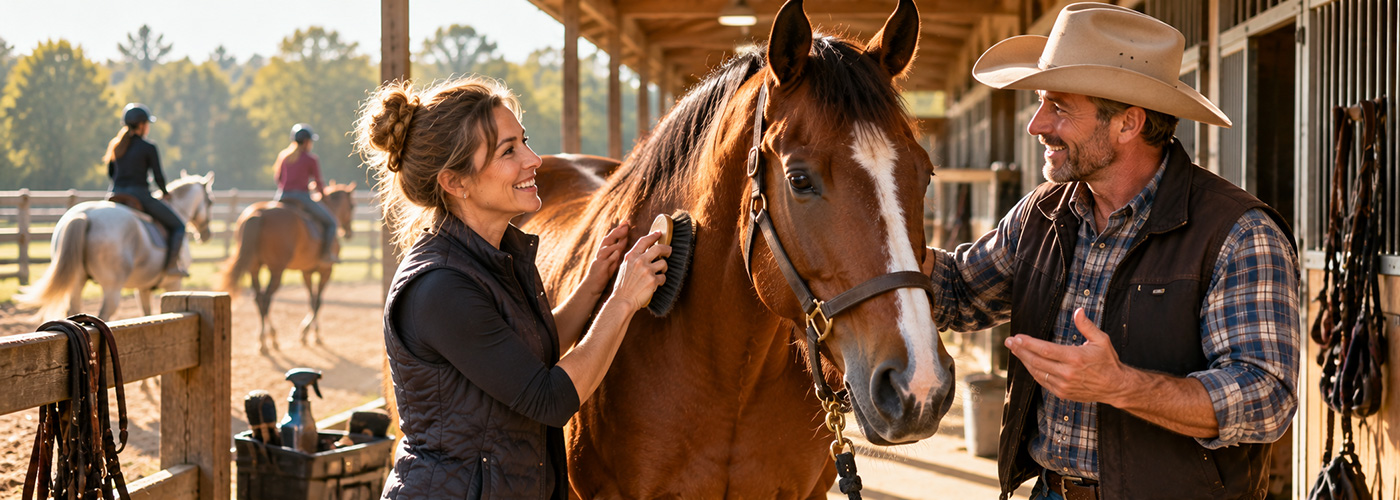
Instead, start small.
Find a local horse show at a fairground and go watch. Horse shows are held for everything from hunters and jumpers to dressage, barrel racing, cutting, reining, ranch riding, driving, gaited horses and dozens of other disciplines.
Walk around. Watch. Ask appropriate questions when exhibitors aren't busy preparing their horses. Never approach or touch an unfamiliar horse without asking permission, but don't be afraid to say hello.
Horse people are usually pretty good at recognizing someone who is genuinely interested.
Another possibility is to call a friend who owns horses and ask whether they can recommend a reputable riding instructor or horse trainer who works with beginners.
I don't know anything about horses, but I'd like to learn.
That's a perfectly good place to start.
Your First Horse Lesson May Not Involve Much Riding
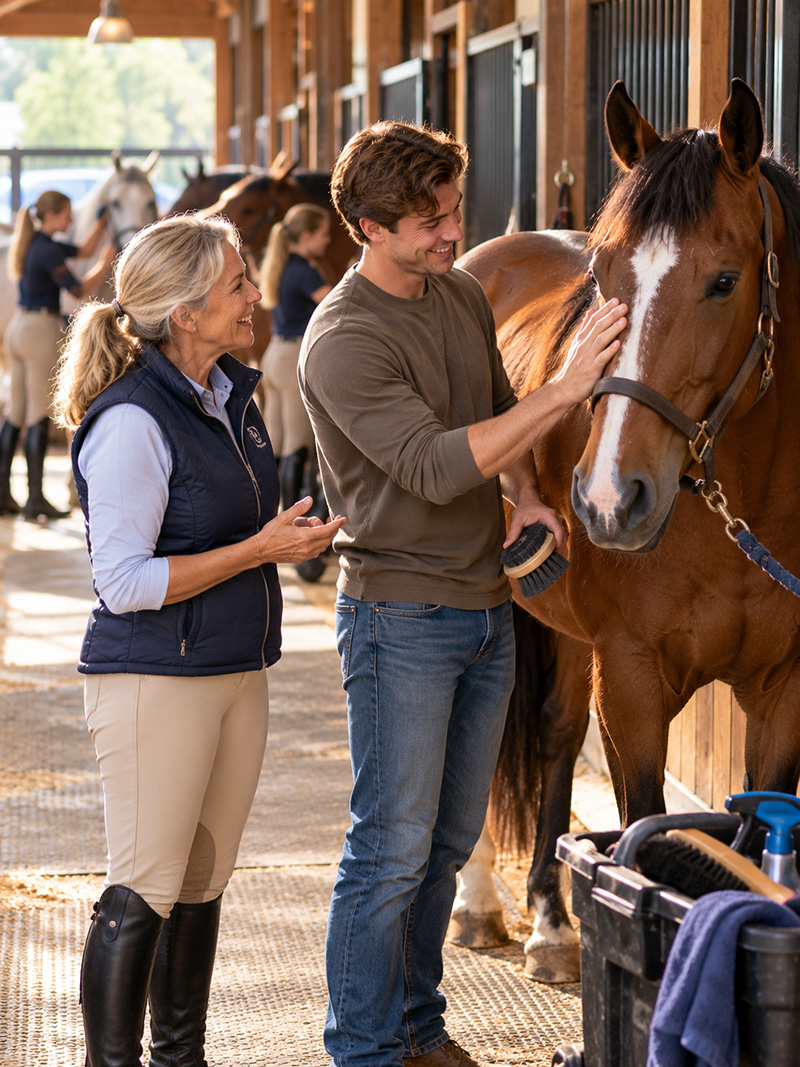
People sometimes imagine their first lesson as climbing into the saddle and galloping across a beautiful field.
A good instructor may have other ideas.
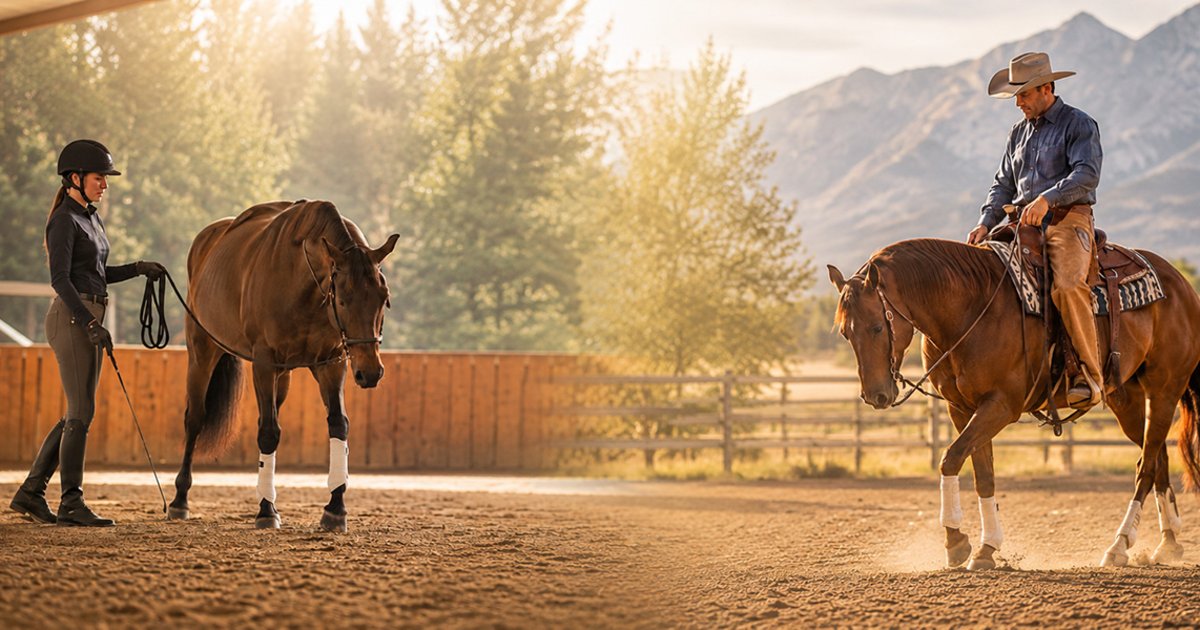
Your first lesson might involve learning how to safely approach a horse, put on a halter, lead him, brush him and clean his feet. You may learn where to stand, how horses see the world and what their body language is telling you.
That's not wasted time.
That's horsemanship.
Before you learn to control a horse, you need to learn how to be around one.
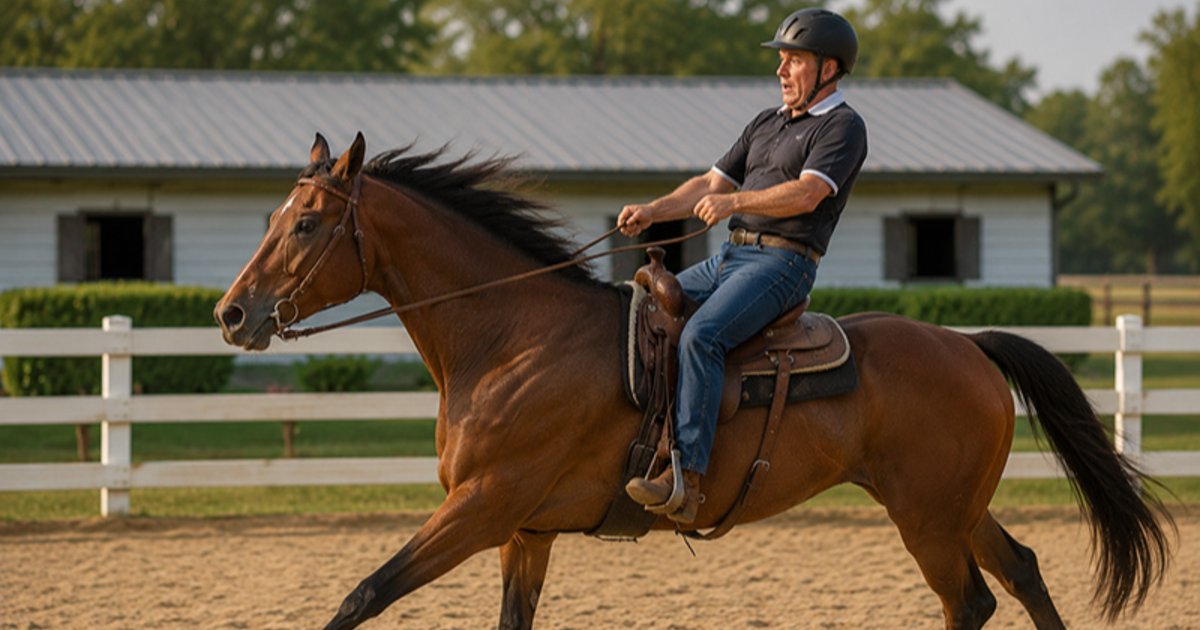
Then perhaps you'll get into the saddle while somebody leads the horse. You'll learn how to sit correctly, stop, turn and begin communicating with this thousand-pound animal underneath you.
And something else may be happening that you didn't expect.
You're talking to your instructor.
Someone else is riding in the arena.
Another person is grooming a horse in the aisle.
Someone asks which horse you're riding.
You ask about theirs.
Without really trying, you've entered a community.
A Horse Is A Relationship, Not A Piece Of Sports Equipment
There is another part of this that I think matters.
A horse is a thinking, feeling animal with his own personality, preferences and experiences. You cannot build a good relationship with a horse simply by pushing buttons and expecting the correct response.
Trust takes time.
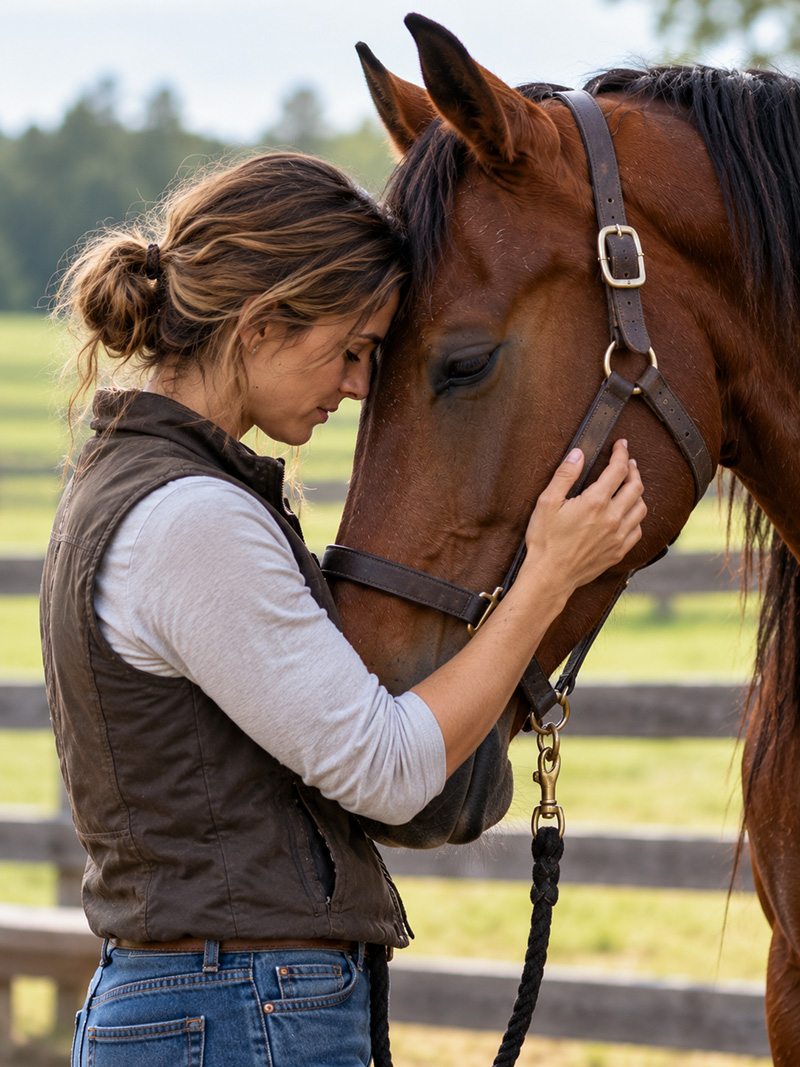
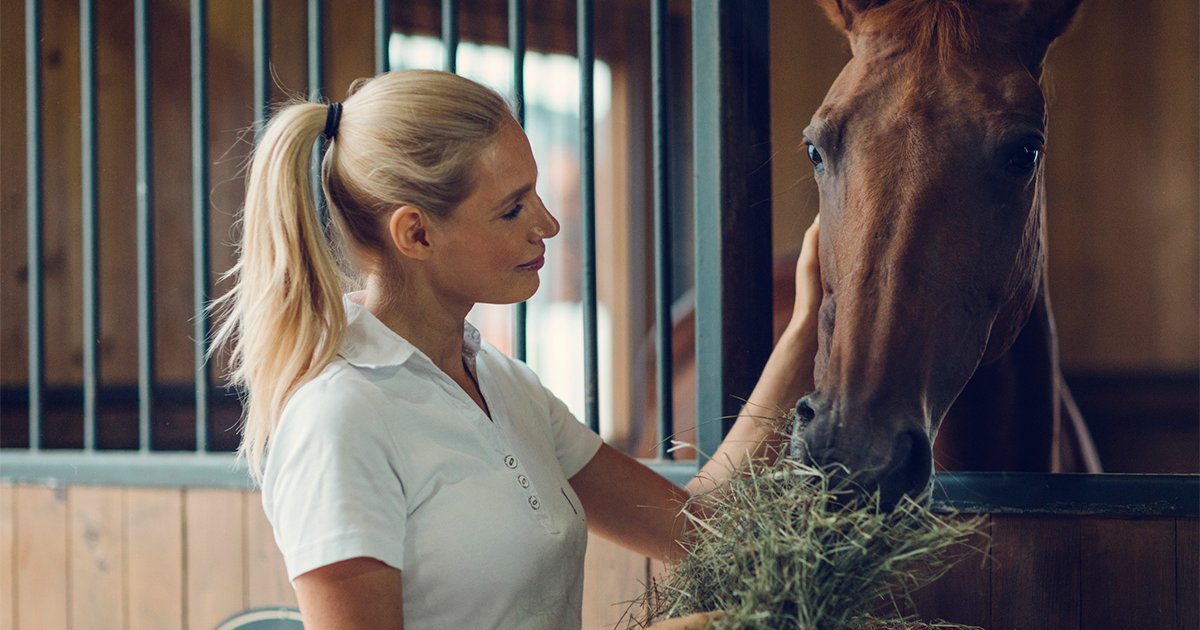
You begin recognizing when your horse is relaxed and when he's worried. You learn the little things he likes. He begins recognizing your voice, your routines and the way you handle him.
You learn to listen without words.
That relationship can become extremely meaningful.
Science is increasingly examining human-horse interaction and emotional well-being. The research is still developing and horses should never be presented as a cure for loneliness or a replacement for professional mental-health care. But studies of structured human-equine interaction are finding promising connections involving emotional state, social engagement and human-animal relationships.
Horse people probably don't need a research paper to tell them that standing quietly beside a horse can change the way a day feels.
But it's nice to see science becoming interested in something many of us have experienced for years.
Then There Are The People
As wonderful as the relationship with the horse can become, there is another benefit that may be even more important when we're talking about loneliness.
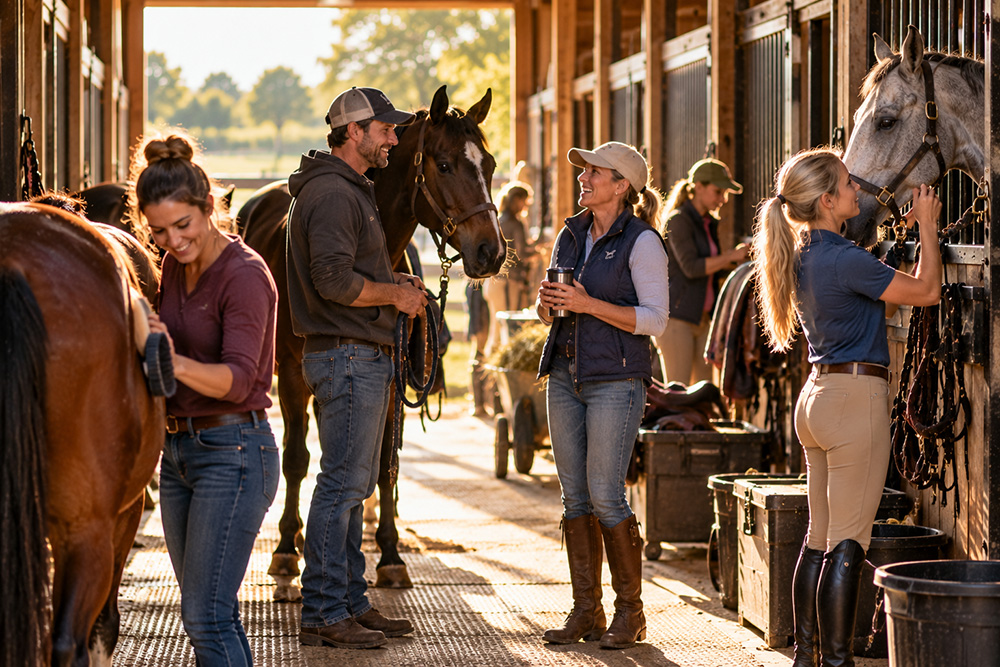
Horses connect you with people.
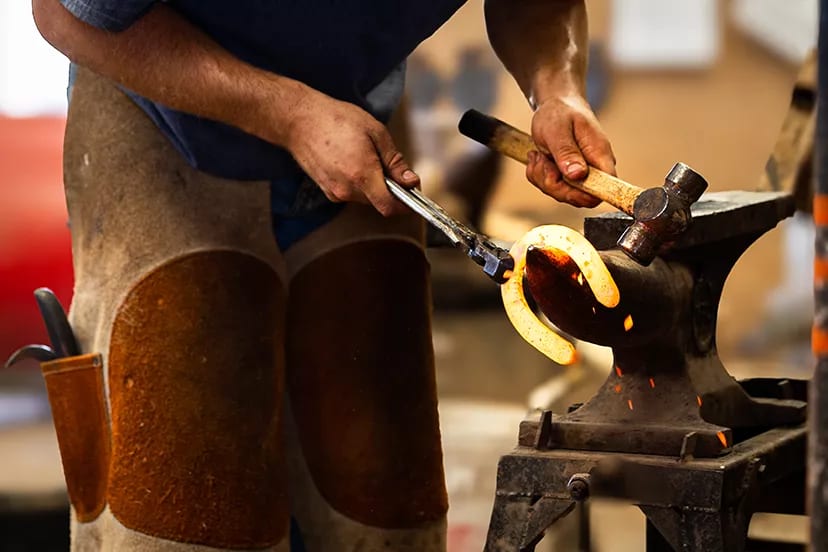
There are trainers, barn owners, farriers, veterinarians, feed-store employees, riding-club members, horse-show volunteers and the people in the stalls beside you.
There is the woman who helps you figure out why your saddle keeps slipping.
The man who holds your horse while you tighten something on the trailer.
The person you barely know who walks over because your horse is acting strangely and asks, "Everything okay?"
Horse communities aren't perfect. No community is.
But when horses are involved, there is usually something to talk about and often something that needs doing.
And sometimes that is exactly how friendships start.
Not with a formal introduction.
With, "Can you hold my horse for a second?"
Today It Was Taco, Zeus, Sugar And Zoey
Today I went on a trail ride with my wife, our granddaughter and our son-in-law.
Four people.
Four horses.
Taco, Zeus, Sugar and Zoey.
We also have Bubba and Blaze in our extended horse family, and sometimes they join us too.
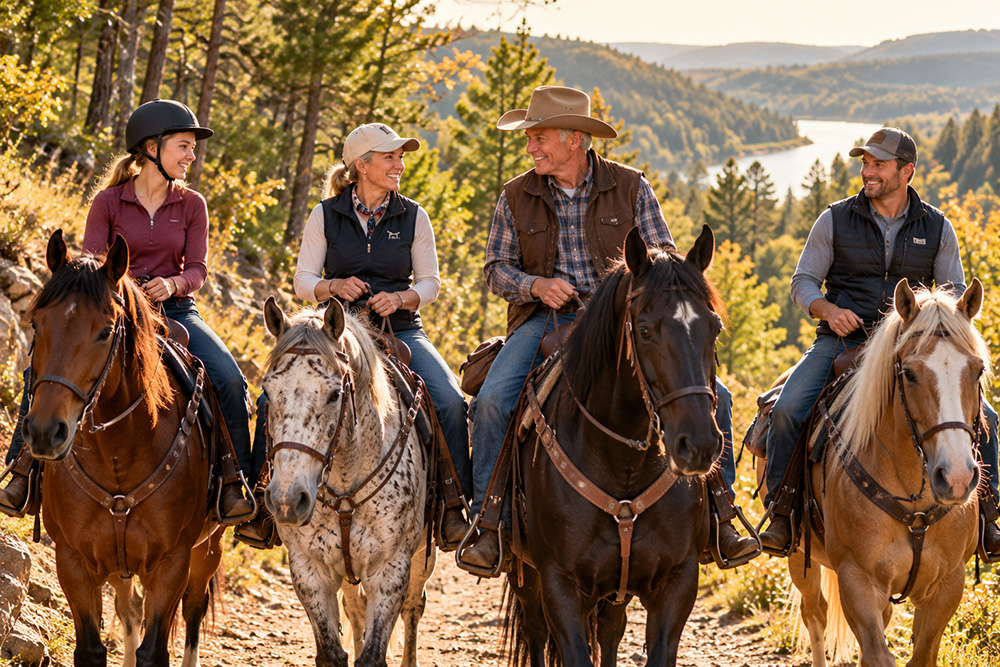
Think about what was happening during that ride.
We were outside.
We weren't sitting around staring at one another trying to think of something to say. We were moving down a trail together. We were watching our horses, watching the trail and watching out for each other.
Something funny would happen and we'd laugh.
Someone would notice something and point it out.
The horses themselves were part of the conversation.
And when the ride was finished, there were horses to untack, brush and care for.
That's connection.
I don't know that we think about it that way when we're doing it. We just call it going for a trail ride.
Maybe that's the beauty of it.
The Least Expensive Horse May Be The One You Don't Own
I'm not going to pretend that horse ownership is inexpensive.
It can be expensive.
Feed, boarding, farrier care, veterinary care, tack, trailers and all the other things that come with responsible horse ownership can add up quickly.
But here's the good news: you don't have to own a horse to find out whether horses belong in your life.
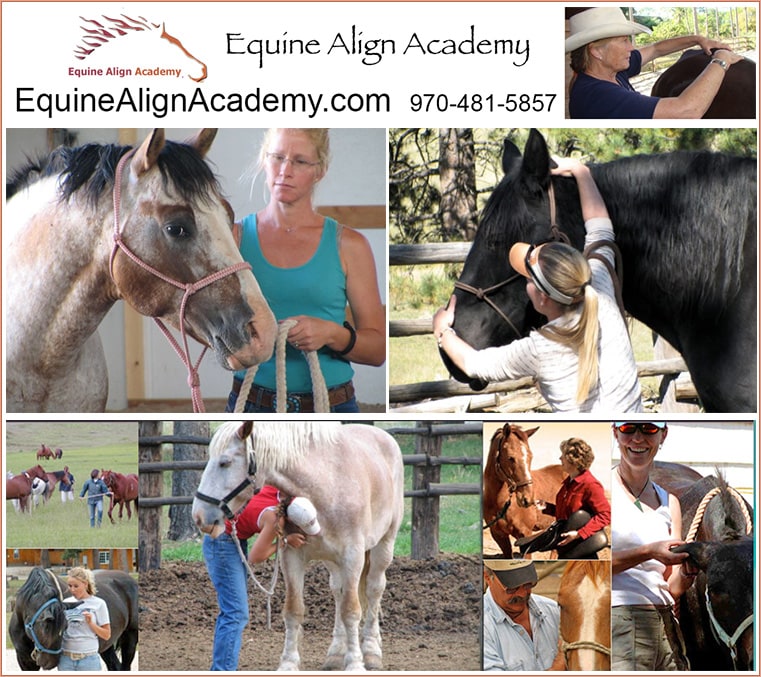
A beginner lesson with a good instructor may be one of the simplest and least expensive ways to start. Some barns offer group lessons. Some facilities need volunteers. Horse rescues and therapeutic riding programs may also have opportunities for people who want to learn, help and spend time around horses.
You can become part of the horse world long before you ever become a horse owner.
And you may discover that what you were looking for wasn't necessarily a new hobby.
Maybe you were looking for somewhere to belong.
Horses Aren't A Cure For Loneliness—But They Can Open A Door
I want to be careful about something.
Loneliness can be serious, and horses are not a substitute for a counselor, physician or other qualified professional when someone needs that kind of help.
But professional care and everyday human connection are not competing ideas.
We need communities too.
We need reasons to leave the house.
We need people who recognize us when we arrive.
We need living creatures who depend on us.
We need sunshine, dirt, movement, conversation, laughter and sometimes a quiet place where nobody expects us to say anything at all.
A barn can contain a surprising amount of all of that.
Maybe Your First Step Is Just Saying Hello
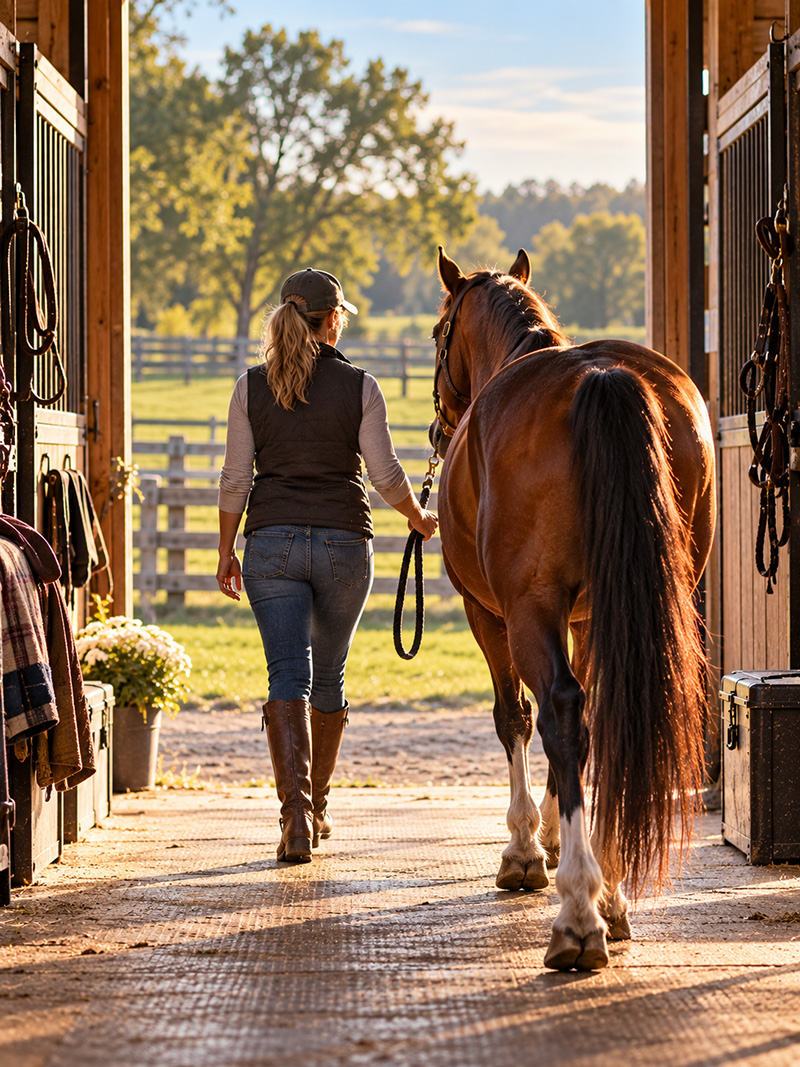
If you have been feeling disconnected from people or from life outside the digital world, I'm not telling you to buy a horse.
I'm suggesting something much easier.
Go meet one.
Visit a horse show.
Ask a horse-owning friend if you can come to the barn.
Schedule a beginner lesson.
Volunteer with a reputable horse organization.
Stand beside a horse. Brush one. Learn his name.
Then ask somebody nearby about their horse.
Trust me.
They'll probably talk.
And talk.
And somewhere between learning how to hold a lead rope, brushing the dust off a horse's coat and meeting the people who share that barn, you might discover that your world has become a little bigger.
The loneliness epidemic can feel overwhelming when we talk about it as a national problem.
But connection usually happens one person at a time.
Sometimes one horse at a time.
And if that road eventually leads you to your own horse, we'll be here at InfoHorse.com to help you learn everything you can about taking care of him.
Until then, come see us at the barn.
We'd be glad to meet you.
Bob Pruitt
InfoHorse.com — Helping Horse Owners Make Informed Decisions Since 1997