

Horse Fencing - Choosing the Best Fence for Your Horse Property
Helping Horse Owners Make Safe, Smart, and Lasting Fence Decisions Brought to you by InfoHorse.com’s Horse Fencing Page
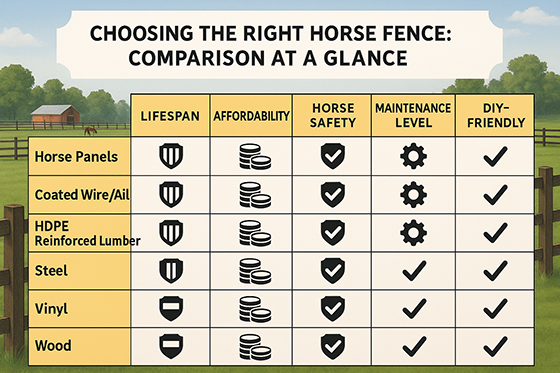
The best horse fence balances safety, durability, and affordability—coated wire or coated rail fencing is one of the most cost-effective safe choices at 20–30 years of life, while HDPE reinforced lumber (30–50 years) and steel fencing (40–50 years or more) offer the longest lifespans. Galvanized steel panels, vinyl, and wood are also safe options, though wood must be protected with stain, paint, or sealant every few years to reach its 15–25-year potential. Because horses have less depth perception than humans, highly visible fencing with wide rails or color contrast helps prevent injuries no matter which material you choose.
When it comes to fencing your horse property, safety, durability, and affordability are key. With so many horse fencing options on the market today , it’s important to understand the pros and cons of each type so you can make the best decision for your horses and your budget. Whether you're managing a full-scale boarding facility or fencing off a small pasture for your beloved companion horse, there’s a solution that fits your needs. Let’s take a look at the most popular types of horse fencing used across the country—along with some helpful tips on installation, maintenance, and how long you can expect your fence to last.
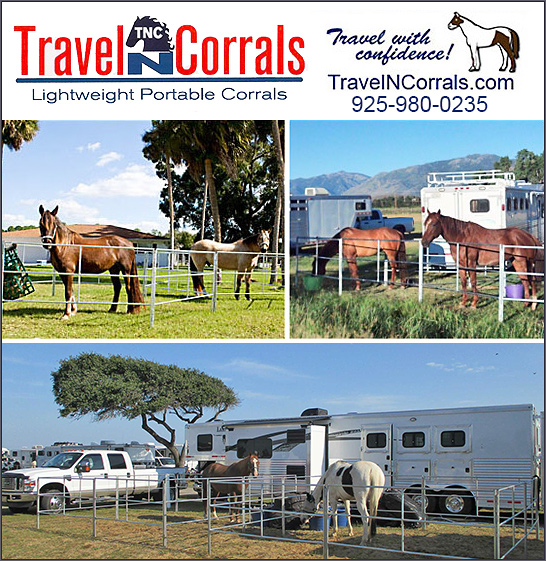
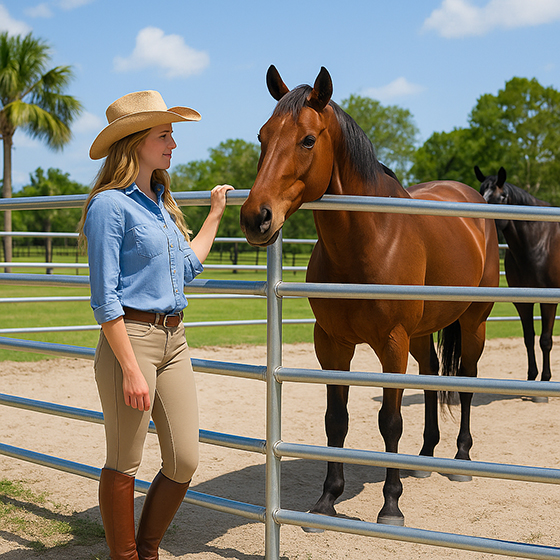
1 Horse Panels for Fencing - Top Picture What They Are: Pre-welded panels made of galvanized steel, often used in round pens, paddocks, and temporary fencing
Advantages: Extremely durable and nearly impossible for horses to break through. Quick and easy to set up—ideal for temporary or portable use. Low maintenance, resistant to rust and weathering when galvanized.
Affordability: Moderate to high upfront cost, but long-term savings due to longevity. Lifespan: 20–30 years or more with minimal maintenance. Safety: Very safe when installed properly with no sharp edges or protruding hardware. DIY-Friendly: Yes - many panels are portable and can be set up without professional help.
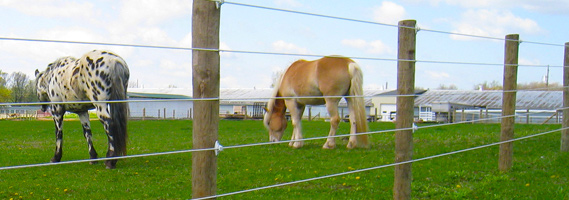
2 Coated Wire and Coated Rail Fencing What They Are: High-tensile wire coated with polymer or plastic for visibility and safety
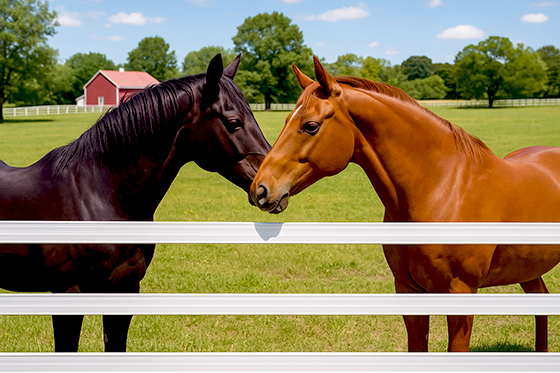
Advantages: - Excellent visibility and smooth texture reduce injury risk. - Strong enough to contain horses yet flexible enough to minimize injury on impact. - Low maintenance with rust-resistant coating.
Affordability: One of the more cost-effective fencing types. - Lifespan: 20–30 years with minimal upkeep. - Safety: Much safer than bare wire, especially with visibility striping. - DIY-Friendly: Yes—kits and instructions make it feasible for experienced DIYers.
3. HDPE Reinforced Lumber Fencing What It Is: High-Density Polyethylene fencing reinforced with internal ribs or lumber for added strength and flexibility.
Advantages: - Superior durability - will not splinter, crack, or warp like wood. - Excellent for hot and cold climates. - Resistant to mold, mildew, and UV damage.
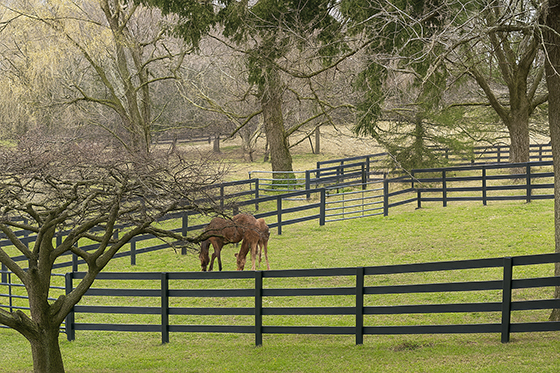
Affordability: Moderate to high initial cost, low lifetime maintenance. - Lifespan: 30–50 years or longer. - Safety: Extremely safe due to smooth surface and flexibility. - DIY-Friendly: Somewhat - while the installation requires careful measurement and strength, some horse owners with construction experience can handle it.
4 Steel Fencing for Horses What It Is: Solid steel fencing, either in pipe rail form or as decorative but strong welded designs
Advantages: - Virtually indestructible, ideal for stallions or high-traffic areas. - Highly visible and clean-looking. - Long-term investment with minimal maintenance needs. Affordability: High initial cost; long-term savings in durability. - Lifespan: 40–50 years or more. - Safety: Very safe if constructed without sharp corners or bolts. - DIY-Friendly: Rarely, installation typically requires welding or specialized labor but some companies offer bolt together options.
5. Vinyl Horse Fencing What It Is: Hollow plastic posts and rails designed to mimic the look of painted wood.
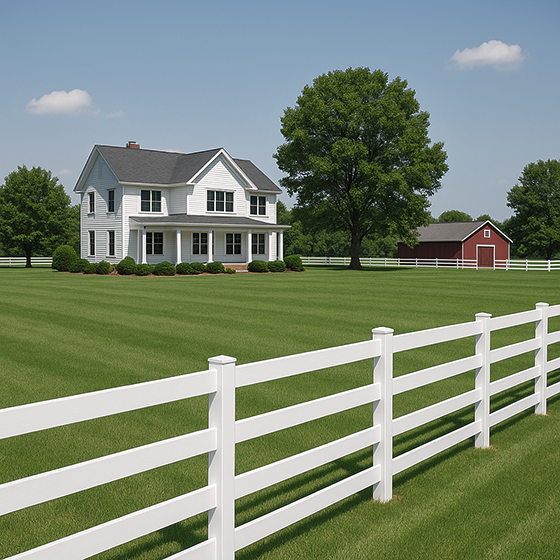
Advantages: - Attractive and available in a variety of styles. - No painting or staining required. - Will not rot or splinter like wood.
Affordability: Moderate - higher than coated wire, lower than steel. - Lifespan: 20–30 years depending on UV exposure and climate. - Safety: Safe if securely installed - rails can pop out on impact, reducing injury risk. - DIY-Friendly: Yes - many horse owners have successfully installed vinyl fencing with basic tools.
6 Wood Horse Fencing (with Protection
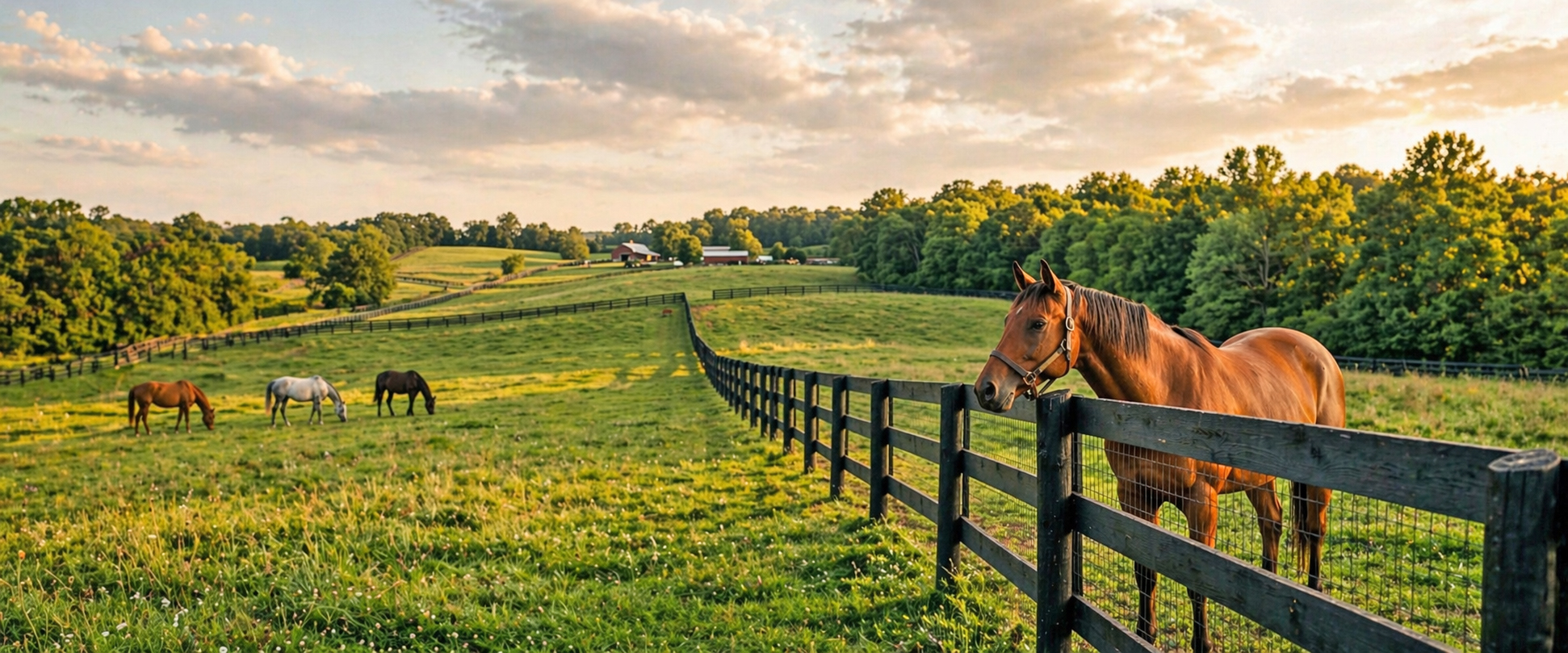
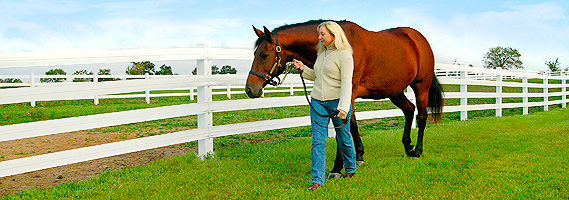
Advantages: - Classic look that blends beautifully with the landscape. - Strong and readily available. - Easy to repair individual boards.
Affordability: Moderate upfront, with ongoing maintenance costs. - Lifespan: 15–25 years if properly protected. Maintenance Note: Wood fencing must be protected with stain, paint, or sealant to prevent rot, insect damage, and weathering. Repainting or restaining is needed every few years depending on exposure. - Safety: Safe when kept in good condition. Splintering boards or protruding nails can become a hazard if neglected. - DIY-Friendly: Yes - many horse owners enjoy building or repairing wood fences themselves.
Other Important Considerations When Choosing Horse Fencing - Visibility Matters: Horses have less depth perception than humans, so fencing that’s easy to see (wide rails, color contrast) helps avoid injuries. - Gates and Latches: Always use horse-safe latches that can’t be opened by curious muzzles! - Pasture Rotation: Your fence plan should accommodate easy rotation between pastures for healthy grazing. - Terrain and Soil: Rocky or sandy soil may affect post depth and stability - this can influence your choice of fencing material.
Final Thoughts: What’s the Best Fence for Your Horse? There is no one-size-fits-all answer, but there is a best solution for your individual needs. Whether you’re after the classic charm of wood, the indestructibility of steel, or the safety and affordability of coated wire, your horses deserve fencing that keeps them safe and happy for years to come. Be sure to visit the Horse Fencing section of InfoHorse.com for in-depth information, trusted fencing manufacturers, and new fencing innovations to make your property both safe and beautiful. Our fencing partners are here to help you choose the right product for your budget, your climate, and most importantly—your horses.