ⓘ
The Solution Section (FAQ)
What is HDPE reinforced lumber horse fencing?
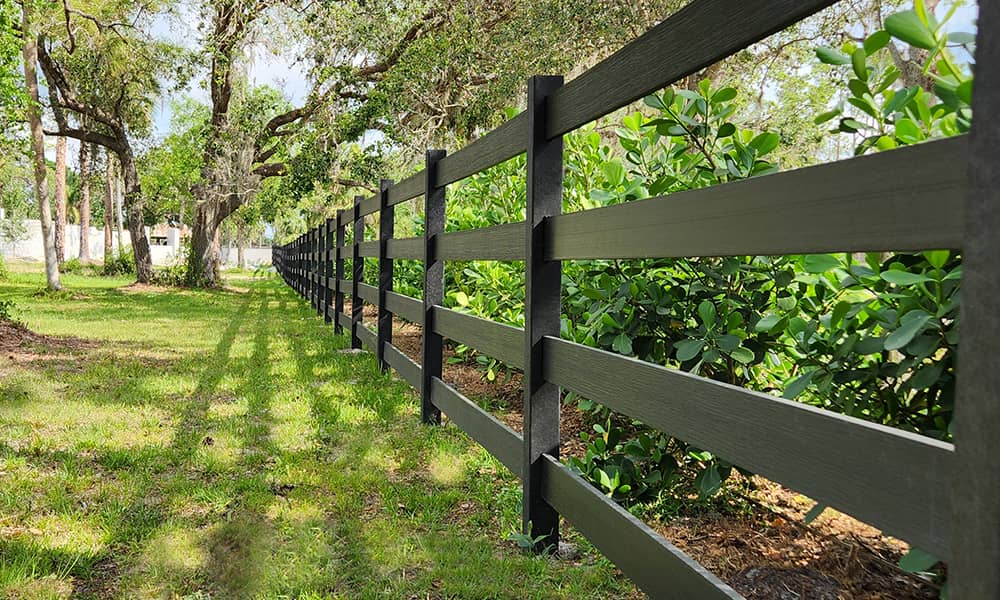
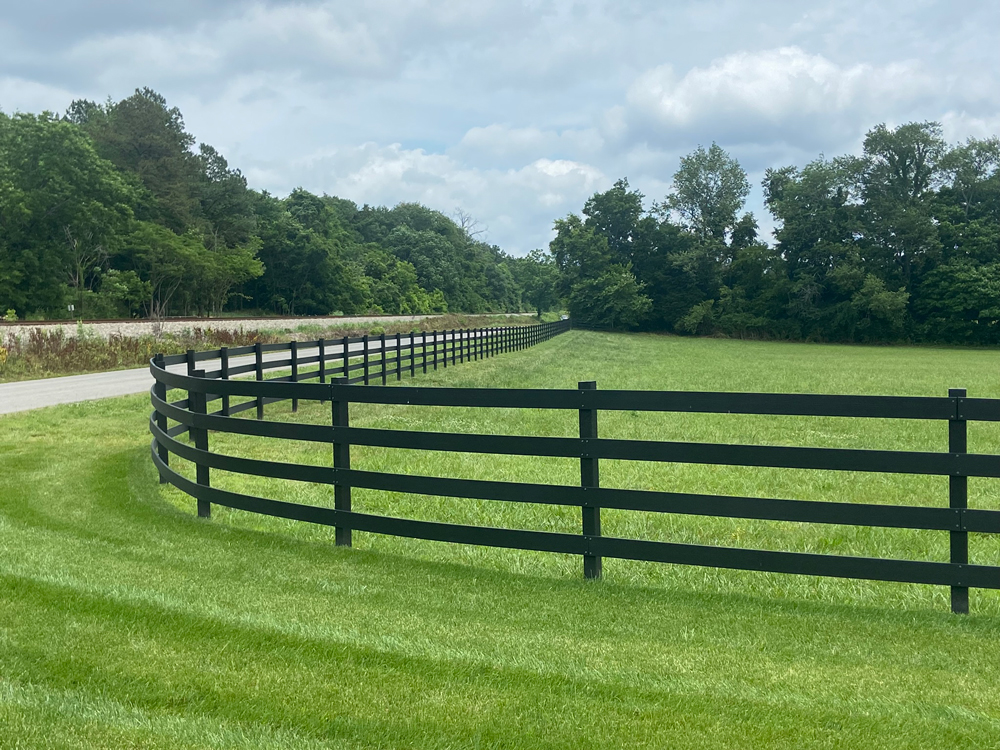
It is fencing made from reinforced high-density polyethylene (HDPE) plastic lumber rather than traditional wood. Tangent Materials makes its Split Rail and Ranch Rail horse fencing this way, with solid posts and rails sourced from post-consumer and post-industrial recycled plastic. It is a strong, durable, environmentally friendly material engineered as a wood replacement for fencing.
How is Tangent's fencing different from other HDPE or PVC fences?
Tangent's posts and rails are solid, unlike the hollow alternatives many competitors sell. The solid construction is what gives the fence its durability and its recoverable deflection. Unlike PVC, Tangent's HDPE material will not shatter.
Is HDPE fencing safe for horses?
Tangent describes its fencing as safe for horses because the material is tough yet has enough 'give' if a horse kicks or bolts. Its solid construction and recoverable deflection are why Tangent calls it the safest fence for horses on the market today. It also will not splinter, crack, chip, or peel, and it does not attract bugs or insects.
Does HDPE fencing need painting, staining, or sealing?
No. Tangent's HDPE reinforced lumber requires no painting, staining, or waterproofing, ever. It will not rot, splinter, crack, chip, or peel, so there are no boards to repaint or replace every year. Maintenance is as simple as hosing it down.
Will the fence hold up in extreme heat and cold?
Yes. Tangent says its HDPE reinforced lumber is extremely tough and durable whether the temperature is extreme hot or cold, and it is built to withstand harsh environments where traditional materials break down. The material's color will dull slightly over time, but it can be brought back with heat.
Can HDPE lumber be used for things besides perimeter fencing?
Yes. Because HDPE plastic lumber can replace traditional wood for almost any project, Tangent's material is used for arenas, stall walls, and even trailer floors, in addition to split rail and ranch rail fencing. It also serves a wide range of commercial, residential, and structural applications.
Is Tangent's fencing made in the USA?
Yes. Tangent's reinforced lumber horse fencing is made in the USA. The company has manufactured recycled plastic lumber since 2003 and has grown to more than 60 production lines and over 500 employees across more than a million square feet of production and warehousing space.
How do I order Tangent split rail or ranch rail horse fencing?
You can reach Tangent Materials by phone at 800-721-9037 or by email at
[email protected] to talk about your horse property. You can also learn more and view their horse fencing at https://tangentmaterials.com/horse-fencing/.
What is Tangent Split Rail & Ranch Rail fence made of?
It is made from solid recycled high-density polyethylene (HDPE) plastic lumber. Unlike many competing HDPE and PVC fences that use hollow rails, Tangent's posts and rails are solid all the way through, which makes them far more durable. The material contains no arsenic and no chlorides.
Who makes this fence?
It is manufactured by TANGENT Technologies, LLC, branded as TANGENT MATERIALS, a recycled plastic lumber maker in business since 2003. The company is located at 325 State Route 31, Building K, Montgomery, IL 60538, and serves marine, agriculture, parks and recreation, residential, commercial, and structural markets.
What is the warranty on Tangent horse fencing?
Tangent backs its HDPE fencing with a limited 50-year warranty. That long coverage period reflects the material's resistance to rot, moisture, UV fading, and the chemical breakdown that shortens the life of wood and lower-grade plastic fences.
Is the fence safe for horses that crib or chew?
Yes. Tangent specifically engineers for cribbing and chewing animals. Because the solid HDPE will not splinter, a horse that gnaws a rail cannot ingest sharp slivers that would otherwise damage its digestive system, and the non-porous surface does not harbor bacteria. The boards also flex to absorb impact energy if an animal runs into the fence.
What colors does the fence come in?
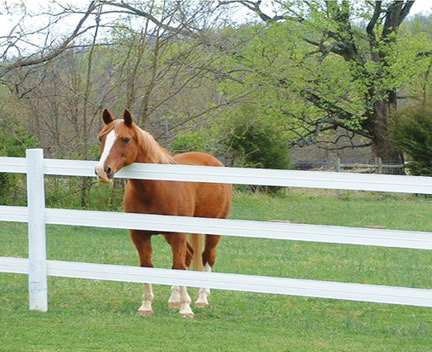
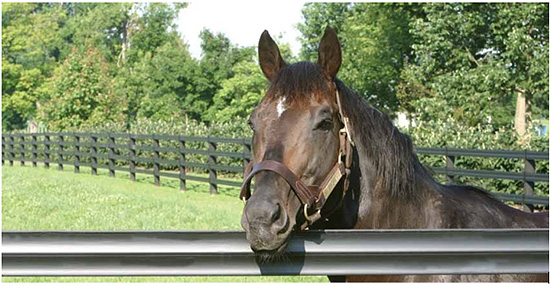
The horse fencing is offered in classic white and black, the two most common barn and ranch looks. Other colors are available upon request, and Tangent custom-engineers materials, so unusual color or dimension needs can be discussed during the quote process.
What is the difference between Ranch Rail and Split Rail?
Both are post-and-rail profiles built from the same solid recycled HDPE lumber, but they offer different aesthetics. Ranch Rail gives the clean, traditional horizontal-board ranch look, while Split Rail evokes a more rustic, country fence line. Tangent provides installation guidelines for both styles plus a Fencing Systems Product Guide.
Does the fence need painting or staining?
No. The fence is color-fast and low-maintenance, so it does not require painting, staining, or sealing. The color runs through the material rather than sitting on the surface, and it resists fading, which eliminates the recurring labor and cost of refinishing a wood fence.
Will the fence rot, warp, or splinter over time?
No. Tangent states the fencing will not rot, mold, splinter, or crack. Because solid HDPE does not absorb moisture, it does not swell, warp, or rot the way wood does, and it stays rigid in the fence line for decades.
How does the fence perform in extreme weather?
It is built as an all-weather fence that withstands extreme heat, cold, and moisture. Importantly, it resists becoming brittle in extreme cold, a common failure point for some plastics, so it holds up in harsh winter climates as well as hot, humid environments.
Is the fence environmentally friendly?
Yes. The fence is made from recycled HDPE plastic, and Tangent says its manufacturing keeps millions of pounds of plastic out of landfills. Choosing it diverts waste plastic into a 50-year product instead of sending it to a landfill, and it never requires the toxic chemical treatments used on pressure-treated wood.
Is Tangent fencing made in the USA?
Yes. Tangent markets it as USA-made fencing, manufactured at the company's Montgomery, Illinois facility. The company has produced recycled plastic lumber in the United States since 2003.
How do I get a price quote?
Tangent uses a Request a Quote process at tangentmaterials.com/contact/#request-a-quote. You provide the product line, intended use, project location, start date, board quantity, and a project description, and the team responds with an estimate. You can also call 1-630-264-1110 to discuss your project directly.
What is the phone number for Tangent Materials?
You can reach Tangent at 1-630-264-1110. The team can answer technical questions, discuss specifications, and help configure an order to fit your specific paddock, corral, or perimeter layout.
Is the fence resistant to chemicals and pests?
Yes. The recycled HDPE is inherently resistant to chemicals, salt, oils, fungus, and insects. It is also impermeable to the acids found in animal wastes, which is why it holds up so well in barns, stalls, and high-traffic livestock areas.
What is Woodgrain Technology?
Woodgrain Technology is Tangent's patented design that gives the recycled plastic lumber the warm appearance and texture of real wood. It lets owners get the classic look of a timber fence without the splintering, rotting, and constant maintenance that real wood requires.
What makes Tangent's fence different from hollow PVC or HDPE fence?
The key difference is that Tangent's posts and rails are solid rather than hollow. Hollow extrusions can flex, crack, or fail under impact and animal pressure, while solid HDPE delivers superior strength and durability, allowing the fence to withstand years of abuse from both the elements and horses.
Can Tangent custom-engineer fence for my project?
Yes. Tangent custom-engineers materials and offers colors beyond white and black upon request. For specific rail counts, lengths, or dimensions, you can specify your needs on the quote form or by phone, and the company will tailor the order to your project, whether it is a small corral or a large ranch perimeter.