

Horse Fencing That is Safe, Strong, and Smart
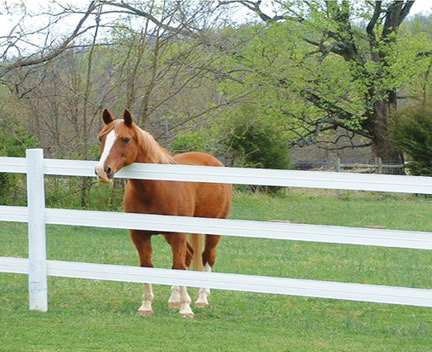
The safest horse fencing does three jobs at once—it stands tall and visible enough to work as a psychological barrier, it forgives the inevitable spook by flexing on impact instead of injuring the horse, and it doesn’t demand constant repair. Flexible rail fencing meets all three tests: Flex Fence®, for example, offers up to a 4,200 lb. break strength yet is designed to flex up to 6 inches on impact. Traditional wood rail, by contrast, cracks, splinters, and warps—and splintered rails can cause serious equine injury.
by Karen Elizabeth Baril Safe, strong, and smart.
We’re not talking about your horse, though he’s strong and smart, too. We’re talking about your horse’s fencing.
You might not think of fencing as having qualities that sound—well, almost lifelike, but you should. Your fencing needs to be at least as strong and smart as your horse. And, of course, it should keep him safe. Unfortunately, inferior fencing can fall down on the job. No pun intended. In my neighborhood, a hobby farmer keeps his horses behind fencing that is pretty ramashackle. It’s just a matter of time before his horses escape their field.
A wobbly gate, posts that lean precariously, and wire that was never intended for equine use are jury-rigged with baling twine and strings of old electrical wire. It’s a recipe for disaster. I hope it never happens, but others like him have landed in court saying: “But we’ve been doing it this way for years and never had a problem!” Don’t be that guy.
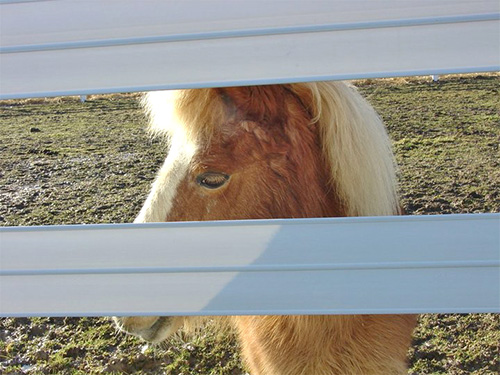
So what makes a fence safe, strong, and smart? Let’s take a look. 'A safe, smart, and strong fence offers a psychological barrier. This means your fence should be tall enough to deter your horse from jumping out of his pasture or reaching over it and walking down the fence. It should also be highly visible to the equine eye. Never assume your horse can see a thin wire strung between rails.
Your horse’s monocular vision (he can see separate views from each eye ) is great for living in open spaces where the horse evolved. He can see predators that might approach at ground level from behind, like mountain lions and wolves. Because he spends most of his time with his nose to the ground, this works pretty well. Unfortunately, that view of the world tends to fail when the object is right in front of his nose.
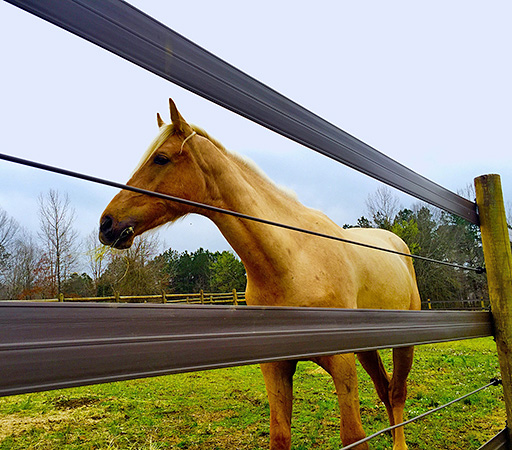
Fences that offer good psychological barriers are wide enough to be seen and tall enough to make the horse think twice about jumping over the top rail. My two Haflinger horses judge the merits of every fence this way. I watch them do this when we’re away at clinics. They want to know, can we jump over it or step over it to get to the green grass on the other side? I make sure the fencing will hold them.
'A safe, smart, strong fence is forgiving. We want the fence to be strong, but not so strong that it has the potential to cause injury when our horse tests it. The ideal horse fence forgives that inevitable spook that tests the fence. Here’s the truth about horses and fencing; it’s not so much a matter of if the horse will test the fence. It’s a matter of when. A fence that forgives the spook, but still holds strong is definitely the safer, stronger, smarter choice.
We love quality flex fencing for this very reason. It’s sort of like having a force field around the perimeter of your horse’s paddock or field. The idea behind flex fencing is to provide a psychological barrier while also providing an incredibly strong physical barrier; the fence stands strong against the spook or against horses that just have to test the fence, like my Haflingers and rebounds on its own.
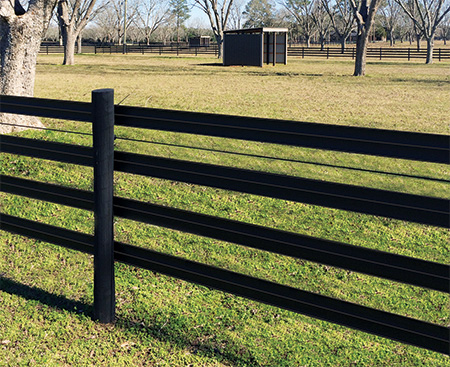
'A safe, smart, strong fence is low maintenance. Because really, wouldn’t you rather be riding your horse than fixing the fence—again ? Until a few short years ago, wood and rail fencing was a popular choice because it offers that beautiful traditional look we love. The trouble with wood and rail fencing is that not only is it labor intensive (it cracks, splinters, warps, and splits) but it’s also dangerous. Splintered or split rails can cause serious equine injury. Eye trauma is a common enough injury to make wood and rail your last choice.
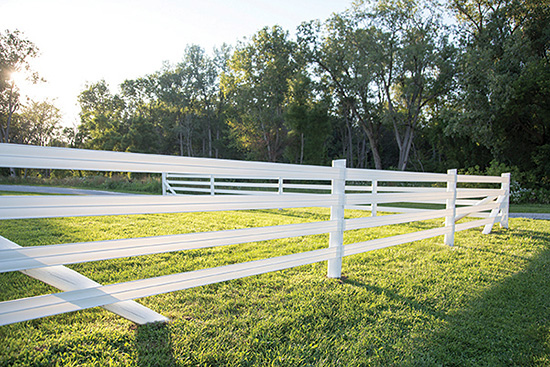
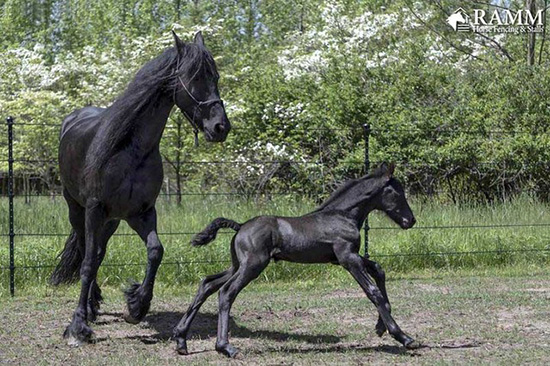
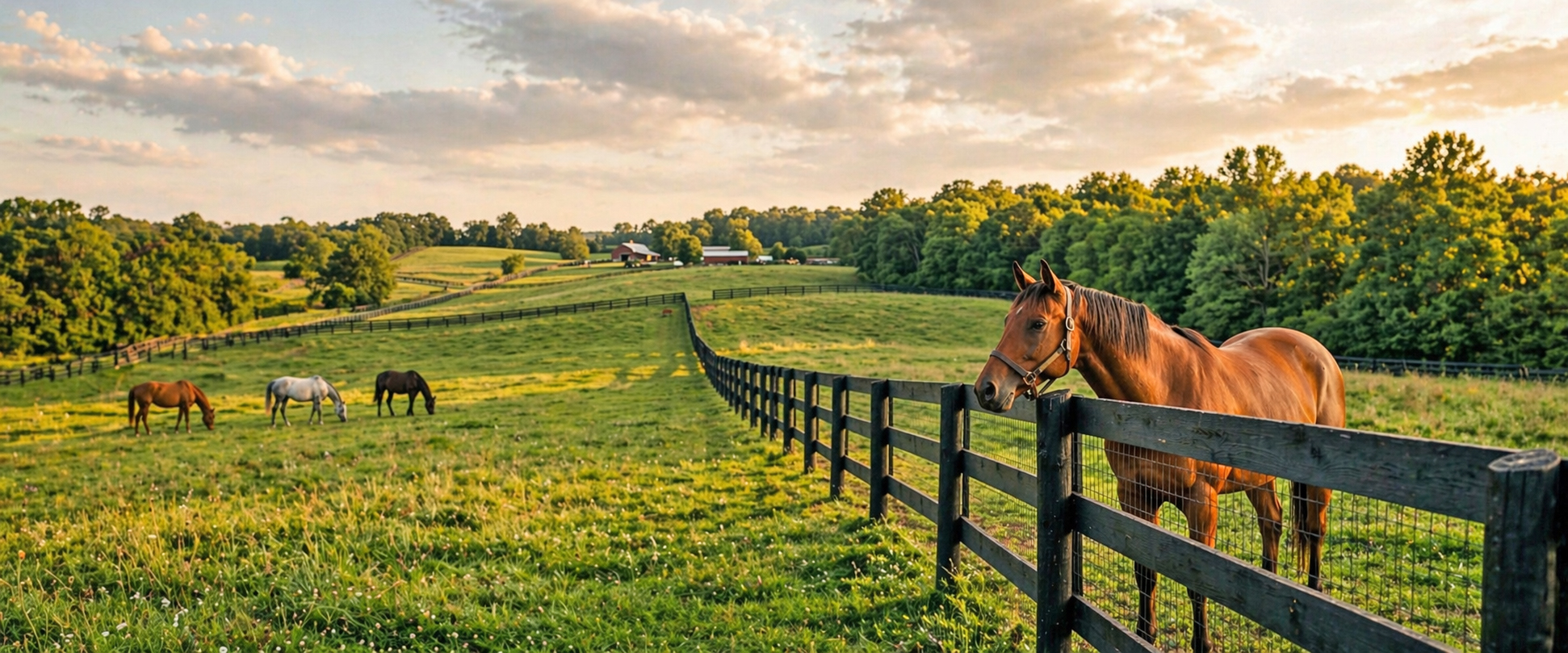
Flex Fence® Horse Fencing & Stalls offers a revolutionary horse fencing product. This fence takes all the things we love about flex fencing; it’s safe, strong, and smart and makes it even better. It never sags, it’s easy to install, it’s UV resistant, and it’s gorgeous. Aesthetically pleasing as a three-rail, four-rail, or used as a combination fence.
Flex Fence® is both strong and forgiving. Constructed of a brand of polyolefins bonded with 3-strands of high tensile wire, it’s one of the strongest fences on the market. The wire is safely contained within the polyolefin. Flex Fence® offers up to a 4,200 lb. break strength, but is designed to flex up to 6-inches on impact. It’s truly one of the safest, strongest, smartest fences on the market today. I love that it offers the look of a traditional wood fence without the high maintenance and risk of splinter injuries that wood presents.