

Colt Starting with Richard and Sarah Winters
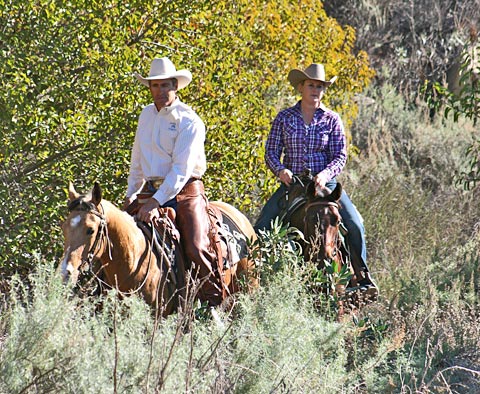
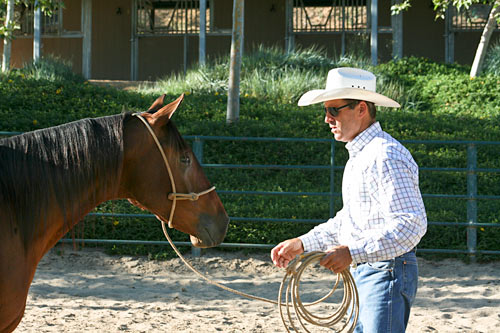
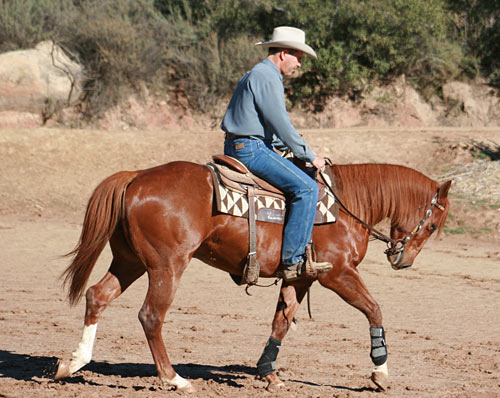
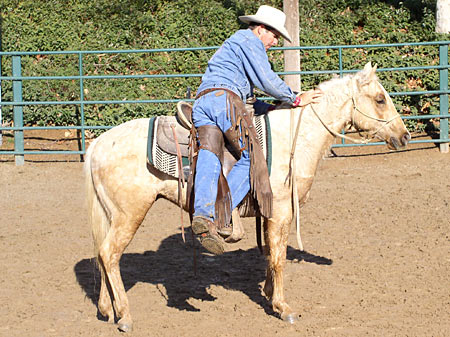
Most colts can be started under saddle as two- or three-year-olds, while Arabs and Warm Bloods are typically started at three to four years of age—though every horse is an individual, and one may handle light riding at twenty months while another isn’t ready until well past his two-year-old birthday. Richard Winters, who has started thousands of colts over thirty years, says the first thirty to sixty days look much the same regardless of a horse’s future career: by the end of sixty days a colt should stand tied, accept saddling, lunge well in both directions, walk, trot, and lope around the arena, guide left and right in a smooth snaffle bit, and know how to stop, back, and leg yield.
With spring just around the corner and young horses coming of age, we have asked Richard and Sarah Winters to share their thoughts on colt starting.
How many colts have you started during your career? Richard: Over the last thirty years, it’s well into the thousands. Each one of them has been unique and every one of them has taught me something.
Sarah: Upwards of one hundred.
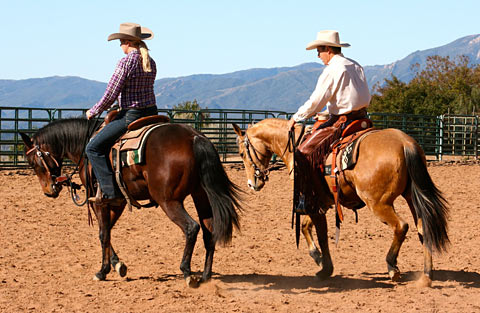
What age do you prefer to start a young horse? Richard: It depends on the breed of horse, my goals for an individual horse and the horses’ maturity; physically and mentally. Most horses can be started as two or three-year-olds. Arabs and Warm Bloods will be started at three to four years of age. Remember, they’re all individuals. You might have one that can be started with light riding at twenty months. Another might not be ready until he’s well past his two-year-old birthday.
Sarah: If I have a colt that I think might be heading for the futurities, I like to start them early on in their 2-year-old year. At this age most colts can handle the physical strains of carrying a rider. For horses that aren’t necessarily going to have an extensive show career, I don’t mind waiting a few more months, or for some even years, to let them grow up a bit more.
How would the training process differ from the Thoroughbred destined for the race track and the Quarter Horse Reining prospect?
Richard: There is not much difference in the first thirty to sixty days. It’s like school. Every child needs a high school diploma. After that, they can specialize in any vocation they desire. Colt Starting is like a foundation. Build a solid foundation of concrete and rebar and then you can put any type of house you want on top.
Sarah: In the first few rides, there will be no difference at all. Even though they are on a path to separate careers, they would need the same basic foundation. All the groundwork would be the same. In the first few rides I would focus on forward movement. I don’t really care where they go as long as they travel around at the walk, trot and lope comfortably. Once the colts reach this point, things will start changing.
With the reining prospect, I want him to be thinking about stopping and getting back. Softness is also very important with the reining prospect; being able to follow the slightest suggestion of my rein and leg is key. Racehorse trainers prefer that their prospects do not have that type of feel. Traveling straight and forward is their priority.
What skills do you expect from your colt at the end of sixty days? Richard: If you come out to see your colt at the end of two months training, I’ll be able to demonstrate a few basic things. He’ll stand tied and be saddled. He’ll lunge well in both directions. I’ll be able to mount, and walk, trot and lope around the arena. He’ll be comfortable guiding left and right in a smooth snaffle bit. He’ll know how to stop, back and leg yield left and right. That’s what I’ll be able to demonstrate. It depends on the owners experience and the colts’ disposition as to how successful the two will be together.
Sarah: I like to have a pretty good handle on my colt at the end of sixty days. He should be very comfortable at the walk, trot and lope while on a loose rein. If I do pick up on the reins, my colt needs to understand how to get off that pressure and give a soft feel. When I quit riding he should be thinking about stopping and getting back. By this time he has a good idea of how to yield to my rein and leg.
I have control over his four body parts (head and neck, shoulders, rib cage and hindquarters) and he can move them around with softness and willingness. Although a lot of the training takes place in a controlled environment such as an arena, a good amount of time is spent riding the colt outside as well. By the end of sixty days this colt will have a pretty solid foundation.
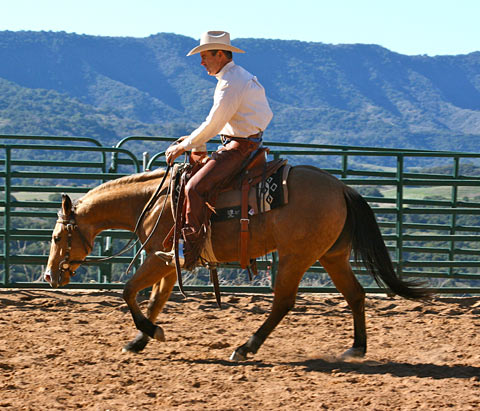
Can the average horseback rider take on the challenge of starting a colt themselves? Richard: Can the average car driver take on the challenge of re-building an engine? Some might. Most will not. Almost anyone can ride horses. And many of them can become reasonably good horsemen and women. Only a small percentage of riders are physically and mentally prepared to start their own colt. I might be able to re-build an engine if I had a private tutor to walk me through the process. However, in the long run, I’d be better off having a qualified mechanic who would produce a reliable product!
Sarah: Actually, the first couple of rides are going to be the easiest for the average horseback rider to execute because all you have to do is sit there and hopefully stay aboard! Most people get into trouble when it comes time to start making suggestions to the colt and directing their feet. It takes a tremendous amount of feel and timing to get a colt started correctly. Knowing when to pull and when to release, when to put the pressure on and when to take the pressure off, are learned only through experience.
There is a fine balance between not over-exposing a colt and being able to challenge them so they continue to progress daily. Not to say that the average horseback rider could not be successful starting their own colt, with guidance, but it takes a lot more than head-knowledge: You also need to have the feel, timing and balance!
For more information about Richard Winters Horsemanship please go to wintersranch.com.