

Debunking Automatic Waterers Myths from Ritchie Industries Inc.
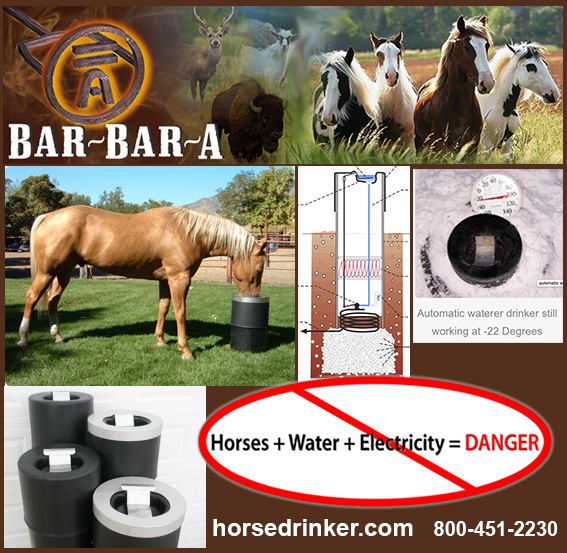
Modern automatic waterers are both safe and economical: any unit rated CE, UL, or CSA must meet a very high standard of safety, and installing it to the manufacturer’s recommendations—including a ground rod under the unit—helps eliminate the chance of stray voltage reaching the unit. Fully insulated electric waterers run through the winter for pennies a day, and the newest combination plastic/steel trough waterers run in the most severe climates for under $20 for the entire season. The float and valve system, patented in 1921, is housed safely inside the waterer, protecting it from the impact of kicking and rubbing.
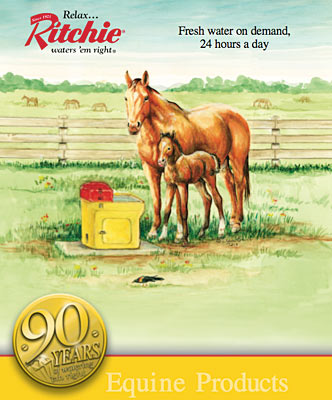
Being in business for 90 years has allowed us to hear and understand what customers and other watering companies are saying about automatic waterers.
Below is a collection of the most popular automatic waterer myths and truths of 2011.
Myth - Electric heated waterers are unsafe and can cause your animal harm.
Truth - Electricity and automatic waterers have been combined much longer than any unheated unit has been on the market. With modern regulations, each waterer put on the market that is CE, UL, CSA rated must meet a very high standard of safety. Installing the waterer to the manufactures recommendations, including installing a ground rod under the unit, will help increase the safety of the unit and eliminate the chances of stray voltage carrying over to the unit. Electric heated waterers have been and continue to be the most popular choice among automatic waterer owners especially in areas that have severe winters. Thousands of these waterers are sold every year with no incidents.
Myth - Electrically heated units are expensive to run during the winter
Truth - With modern day technology, insulated automatic waterers can run throughout the winter for pennies a day. They are fully insulated and efficient at the same time giving you the peace of mind that your waterers are open on the coldest days. The newest combination plastic/steel trough waterers will run in the most severe climates for under $20 for the entire season
Myth - If a large animal, cattle or horse for instance, kicks an automatic waterer that features a float and valve system, the valve will stick causing it to stay open and flood the area around it.
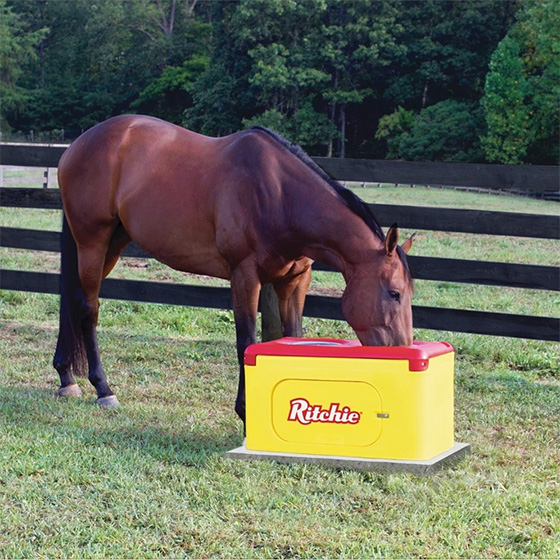
Truth – Completely false. The float and valve system is the most popular among automatic waterers. This system is safely housed inside the automatic waterer protecting it from the impact that kicking and rubbing may cause. The float and valve system was developed and patented in 1921 which set the standard of waterering from that point on. This system could not have sustained 90 years of top market performance if it failed each time an animal kicked the unit.
Myth - Paddle type, energy free automatic waterers do not freeze.
Truth -The design of these units allows water to drain as and after the animals drink. However, if any debris/feed etc gets into the bowl, it will plug the hole where the water drains out. This will cause it to freeze and/or over run.
Myth - I have no way of knowing if my horses is drinking with an automatic waterer.
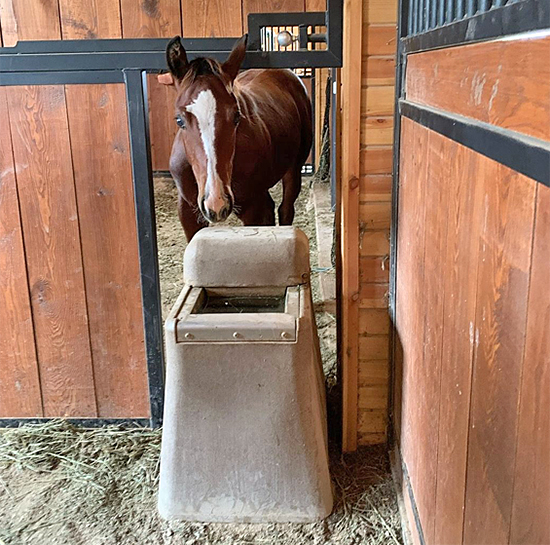
Truth - There are some horse owners that are reluctant to switch from a bucket to an automatic fountain because they use the bucket to gauge how much water their horse is drinking. We do have a water meter that can be installed to answer this question.
When doing research for an automatic waterer be sure to consider what will work best for you and what has proven to have continued reliability. Ritchie Industries has been providing reliable and durable automatic waterers for 90 years. For more information on Ritchie Waterers, please visit RitchieFount.com.