
Helping Horse Owners Make Informed Decisions
Fermented Horse Feed Supplements

Fermented Horse Feed Supplements

By Bob Pruitt · Health

Want field-tested horse-owner insight on Fermented Horse Feed Supplements?

Support our Sponsor
EquiPride and EquiLix by SweetPro
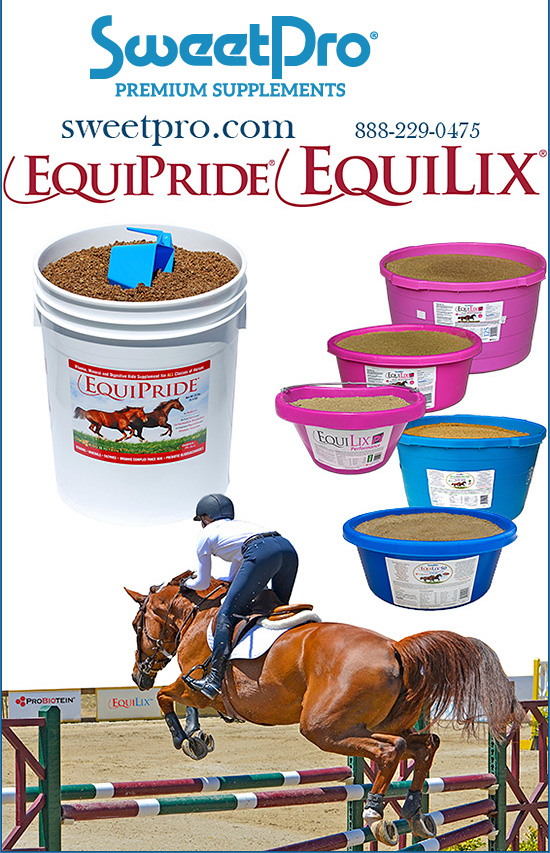
Make sure your horse is getting the proper nutrition it needs with EquiPride and EquiLix! now used
View Sponsor Profile →
View Listing →

Fermented Horse Feed Supplements, Supporting Gut Health.
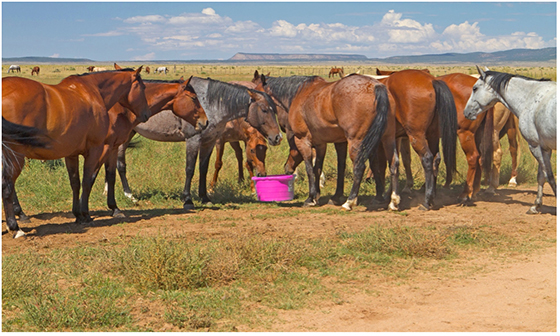
equilix2024arthorses

Recent advances in understanding of the gut microbiome, the bacteria populations in the gut, have begun to shift equine diets from traditional high-starch grains with molasses to more forage-based and fermented feed options. Article from SweetPro® Feeds

The gut microbiome regulates the immune system, maintains intestinal integrity and supports brain function through the “Gut-Brain Axis”. Keeping the beneficial digestive bacteria populations of the microbiome in good condition requires nutrition the “good bugs” can utilize. A postbiotic yeast culture and prebiotics should be considered as part of this bacteria supporting nutrition program. What is a Postbiotic?

The International Scientific Association of Probiotics and Prebiotics (Isapp) defines “Postbiotic” as:

1 “a postbiotic is a preparation of inanimate microorganisms and/or their components that confers a health benefit on the host” (Salminen et al., 2021). Isapp further defines Prebiotic as:
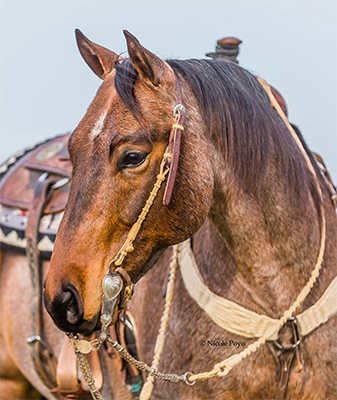
Healthy Horse

2 “a substrate that is selectively utilized by host microorganisms conferring a health benefit”. The advantages to equine body of feeding a postbiotic yeast culture include the various nutritional components that make up a yeast cell.

3 Mannan Oligosaccharide, known as MOS, is a prebiotic fiber found in the cell wall of yeast. MOS has a number of health supporting functions in the equine gastrointestinal tract (GIT). The most widely used application is to bind pathogens such as salmonella and e-coli. When these pathogenic bacteria are bound, they can no longer form colonies or attach to the walls of the digestive tract. They are then flushed out of the system. This binding ability of MOS is finding its place as a tool in the worldwide movement to limit the use of antibiotics in animal feeds.

4 Other important parts of yeast are components of the yeast cell wall (YCW), these include Chitin and '-glucans. Chitin is a dietary fiber that helps to stimulate good digestive bacteria such as the various subspecies of bifidobacteria and lactobacillus. '-glucans have been promoted commercially for heart health in humans, but they have many other benefits such as the ability to bind mycotoxins and pathogens while supporting the immune system 4a, antibody production and feed conversion in horses.

5 Yeast Fermentation Products (YFP) are also valuable postbiotic nutrition with several fermentation metabolites and vitamins made available to the equine body.

5 Yeast Fermentation Products (YFP) are also valuable postbiotic nutrition with several fermentation metabolites and vitamins made available to the equine body.

6 There are several Prebiotic fibers that should be considered along with
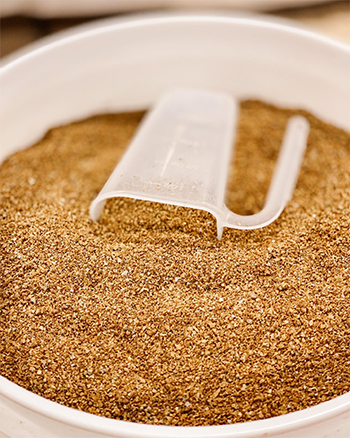
Probiotic Fibers for Horse Supplements

Postbiotic yeast. These include Fructooligosaccharide (FOS), Galactooligosaccharide (GOS), Xylooligosaccharide (XOS) and Arabinoxylooligosaccharide (Axos). These prebiotic fibers nourish the good digestive bacteria subspecies of bifidobacteria and lactobacillus. These two classifications are known as “keystone” species as they help break down feed for other good bacteria to take advantage of. A broad range of complex prebiotic fibers support a complex GIT environment and helps limit gut dysbiosis. When the microbiome is in a healthy and diverse condition, it supports feed conversion, nutrient absorption and the integrity of the digestive tract wall by producing Short Chain Fatty Acids (butyrate).

7 The Gut-Brain Axis is also involved. When the gut microbiome is in an optimum condition, there is a proper regulation of the nervous system and cognitive behavior via the vagus nerve with the brain.

8 High starch diets in equine can have an impact on the Gut-Brain Axis with undesirable behaviors resulting from a microbiome that has significant dysbiosis.

9 Fermentation of the ration or supplement helps digestion by breaking down the feedstuff, removing much of the starch and making the nutrients more available to the animal. Fermentation of feedstuffs was often done in earlier times, but due to the labor involved fell out of widespread use.

10 However; fermented feeds are being revisited today to help cope with the loss of antibiotics in feed. It complements the use of the postbiotics and prebiotics mentioned earlier by improving and preserving feed quality to remove anti-nutritional elements. Distiller’s Dried Grains (Ddgs) is a current example of a fermented feed ingredient or carrier for supplementation. The starch component of grain, corn being the most common DDG, has been reduced by yeast (starch being their energy source) and what remains is fiber, fat, protein and amino acids, compatible with an equine digestive tract designed for small fiber meals consumed throughout the day.

11 Omega3 Fatty Acids bring another range of health support to the horse, the most noteworthy being a reduction of inflammation. Chronic inflammation is a problem in many animals.

12 Flaxseed with high Omega3 can also support horses with skin lesions (allergies) that result from insect bites and help keep their haircoats healthy.

There are a number of feed producers that provide one or more of the new generation
equilixart2024logoad

of ingredients for equine feeds. Of particular note, EquiPride® and EquiLix® from SweetPro® Feeds are all-in-one and incorporate, a fermented grain carrier, yeast culture called ProBiotein®, flax meal and a complete vitamin/mineral designed to minimize the need for multiple supplements. The yeast culture ProBiotein in these two products is both a postbiotic and a multi-prebiotic, featuring a broad amino acid profile. It achieves this unique status by growing the yeast on a source media of multiple small grains, not molasses.

Everything in these fermented, non-molasses equine supplements is geared toward supporting horse health and nutrient utilization, without high cost of using multiple supplements to support the equine gut microbiome.
Key Article Takeaways
  • Keeping the beneficial digestive bacteria populations of the microbiome in good condition requires nutrition the “good bugs” can utilize.
  • ISAPP further defines Prebiotic as: 2 “a substrate that is selectively utilized by host microorganisms conferring a health benefit”.
  • 3 Mannan Oligosaccharide, known as MOS, is a prebiotic fiber found in the cell wall of yeast.
  • 4 Other important parts of yeast are components of the yeast cell wall (YCW), these include Chitin and '-glucans.
  • 5 Yeast Fermentation Products (YFP) are also valuable postbiotic nutrition with several fermentation metabolites and vitamins made available to the equine body.
Questions readers commonly ask:
What is a postbiotic, and why does it matter for a horse?

Per SweetPro Feeds, citing the International Scientific Association of Probiotics and Prebiotics (ISAPP, Salminen et al. 2021): a postbiotic is "a preparation of inanimate microorganisms and/or their components that confers a health benefit on the host". In horse-feed terms, that typically means a yeast culture whose components — not the live organism — provide the gut-support benefit.

The pieces that do the work: Mannan Oligosaccharide (MOS) from the yeast cell wall binds pathogens like salmonella and E. coli so they can't colonize the digestive tract. Chitin and beta-glucans stimulate populations of beneficial gut bacteria (bifidobacteria, lactobacillus) and bind mycotoxins. Yeast Fermentation Products (YFP) contribute fermentation metabolites and vitamins. The horse benefits without needing a live microbe to survive transit through the digestive tract — which is part of why postbiotics are gaining ground as antibiotics get pulled from animal feeds.

What should I do to support my horse's gut microbiome through diet?

Per SweetPro Feeds: the article's central recommendation is shifting away from high-starch grain-and-molasses diets toward forage-based and fermented feed options. High-starch diets correlate with gut dysbiosis, and the gut-brain axis is real — a poorly regulated microbiome shows up as undesirable behavior, not just digestive symptoms. The aim is feeding ingredients the beneficial bacteria can actually utilize: prebiotic fibers (FOS, GOS, XOS, AXOS) plus a postbiotic yeast culture.

Fermenting the ration or supplement helps further by breaking down feedstuff before the horse eats it, removing some of the starch and making nutrients more available. Distiller's Dried Grains (DDGS) is a current example — corn starch reduced by yeast, leaving fiber, fat, protein, and amino acids better suited to the equine gut. For broader long-term gut maintenance alongside dietary changes, products like SUCCEED Digestive Conditioning Program (a current InfoHorse advertiser) target the gut environment that high-grain diets disrupt. Confirm any feeding-program shift with your equine nutritionist or vet, especially for horses with existing digestive sensitivity.

What's the difference between prebiotic, probiotic, and postbiotic?

Per SweetPro Feeds, drawing on the ISAPP definitions:

  • Prebiotic — "a substrate that is selectively utilized by host microorganisms conferring a health benefit." In practice: a fiber (FOS, GOS, XOS, AXOS) that feeds the good bacteria already in the gut. The article calls bifidobacteria and lactobacillus "keystone" species because they break down feed for other beneficial bacteria.
  • Probiotic — live microorganisms intended to confer a health benefit when consumed. Not the focus of this article, but the better-known category.
  • Postbiotic — "a preparation of inanimate microorganisms and/or their components." The yeast culture and its components do the work without needing the yeast to be alive.

The article's framing: a complete gut-support program combines postbiotics with multiple prebiotic fibers so the microbiome has both the working components and the substrates to support diverse beneficial bacteria populations.

What ingredients should I look for in a fermented horse feed supplement?

Per SweetPro Feeds: a complete fermented supplement should bring together several elements rather than relying on one. Look for a fermented grain carrier (which removes anti-nutritional elements and starts the breakdown work for the horse's gut), a postbiotic yeast culture (for MOS, beta-glucans, and fermentation metabolites), multiple prebiotic fibers (FOS, GOS, XOS, AXOS) to support diverse bacteria populations, and omega-3 fatty acids (typically from flax) for inflammation support and skin/coat health.

Per SweetPro Feeds: EquiPride and EquiLix by SweetPro (a current InfoHorse advertiser) are formulated as all-in-one supplements with a fermented grain carrier, the ProBiotein yeast culture (functioning as both postbiotic and multi-prebiotic), flax meal, and a complete vitamin/mineral package — the yeast is grown on multiple small grains rather than molasses, which produces a broad amino acid profile. Whatever brand you evaluate, the question is whether one product covers the whole stack or whether you're stitching together three or four supplements to get the same coverage.

How does the gut microbiome actually affect my horse's behavior?

Per SweetPro Feeds: the connection runs through what researchers call the Gut-Brain Axis — communication between the gut microbiome and the central nervous system via the vagus nerve. When the microbiome is in good shape, there's proper regulation of the nervous system and cognitive behavior. When it's not, the article reports that high-starch diets producing significant dysbiosis correlate with undesirable behaviors in horses.

The mechanism is plausible: a healthy microbiome produces Short Chain Fatty Acids like butyrate that maintain digestive-tract integrity, and it regulates immune function and intestinal permeability. A disrupted microbiome creates inflammatory signals and disrupts that regulation. The behavioral angle isn't framed as a guarantee — the article uses "can have an impact" and "can result" — but the implication for owners with a hot, irritable, or anxious horse on a high-grain diet is clear: diet is one of the levers worth pulling, alongside management changes and any other support your vet recommends.

Related Products & Services

LaSal Animal Health
InfoHorse Advertiser
LaSal Animal Health
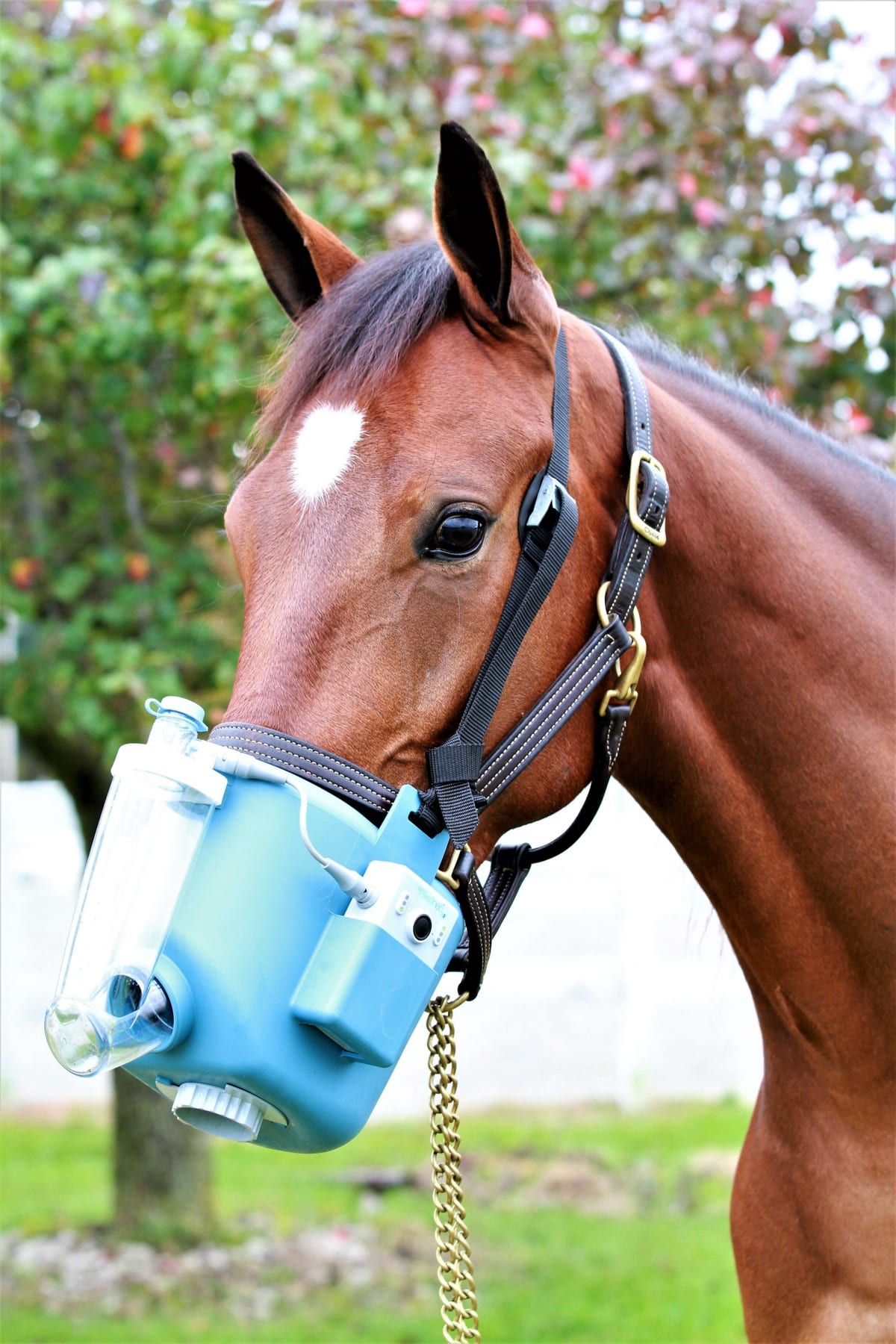
Nebulizer La Sal Animal Health offers the only chelated silver nebulizing solution on the market. Find LaSal Animal Health on InfoHorse.com.
Markie's Choice
InfoHorse Advertiser
Markie's Choice
Markie's Choice — Horse Health Products. Find product details, reviews, contact info and more on InfoHorse.com, America's #1 horse product directory.
The Hay-EZ
InfoHorse Advertiser
The Hay-EZ
The Hay-EZ Hay Bag Filler — the smart way to fill your slow-feed hay bags or nets. Hold the bag open at the top for easy hay loading. Filling has never been easier.
Article Sponsor
EquiPride and EquiLix by SweetPro
1-888-229-0475 www.sweetpro.com/index.html bradthornberg@sweetpro.com
View Listing →
Ann Pruitt
Contact Ann Pruitt
InfoHorse.com