

Horse Care for Beginners: Your First-Year Essentials
Caring for a horse in your first year comes down to a handful of routines done consistently: feed good-quality forage at roughly 1.5 to 2 percent of body weight daily—about 15 to 20 pounds of hay for a 1,000-pound horse—keep fresh water and free-choice salt available at all times, pick out feet daily, and provide regular turnout. Make any feed change gradually over ten to fourteen days, because sudden changes are among the most common contributors to colic. Round out the basics with a veterinarian, a farrier every six to eight weeks, and a knowledgeable instructor, and learn what “normal” looks like for your horse so you catch small problems early.
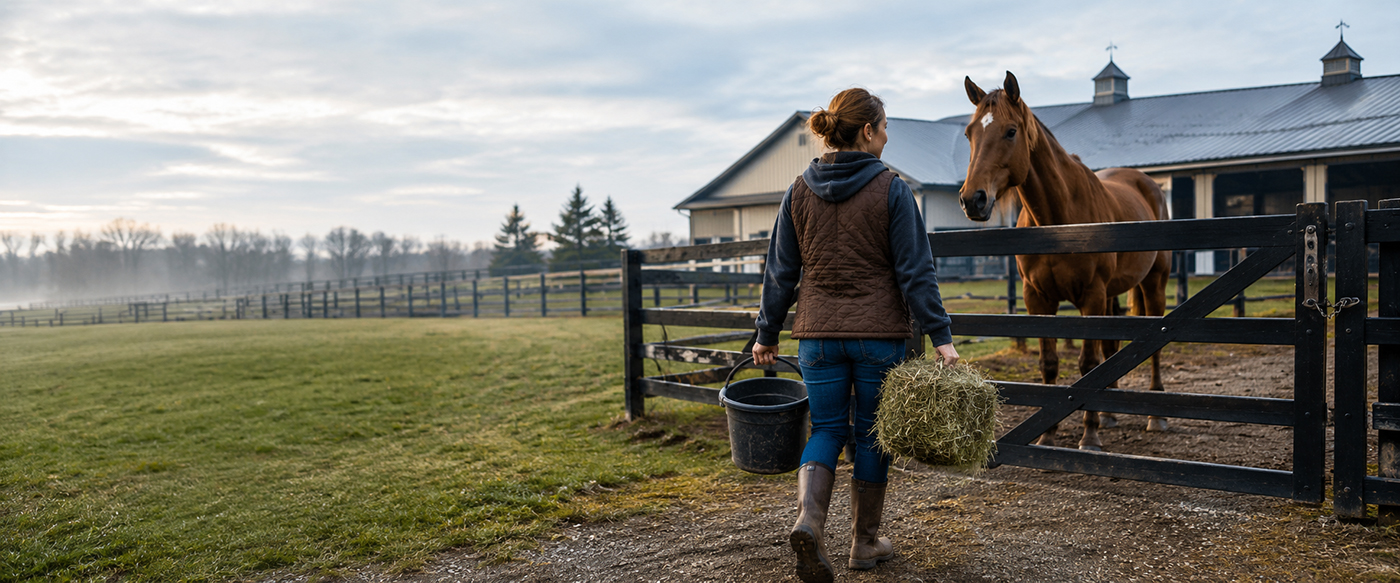
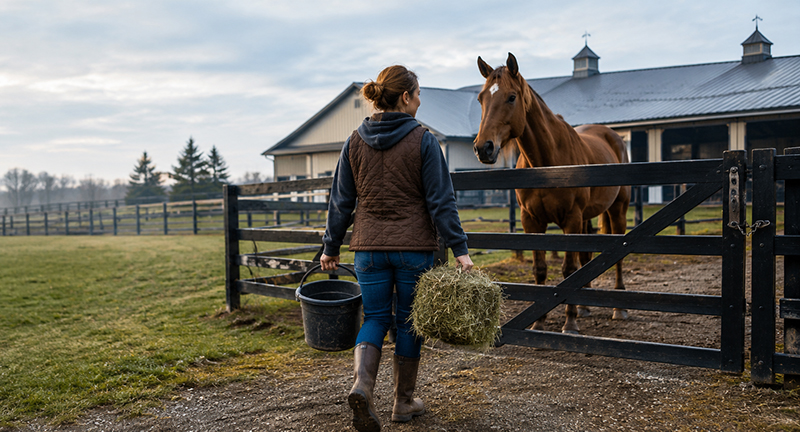
The first morning you walk out to feed a horse that is actually yours is a strange and wonderful thing.
There is nobody to ask, no lesson scheduled, no trainer standing in the arena, no owner handing you instructions. It is just you, a hungry horse, and a hundred small decisions you never knew existed.
Take a breath.
Horse ownership has a learning curve, but it is not as complicated as it sometimes feels. Horses have been partnering with people for thousands of years, and most of what they need from you in that first year comes down to a handful of routines done consistently and done well.
Master those routines and you will be well ahead of many new horse owners.
Forage First — Always
If you remember only one thing about feeding a horse, remember this:
A horse's digestive system was designed to graze almost continuously. Horses evolved to consume small amounts of forage throughout the day and night. Their stomachs are relatively small, but their digestive tracts are long and complex.
Because of this, forage should always be the foundation of the diet.
Good-quality pasture or hay should make up the majority of what your horse eats. A general guideline is approximately 1.5 to 2 percent of the horse's body weight in forage each day. For a 1,000-pound horse, that works out to roughly 15 to 20 pounds of hay daily.
Many first-time owners mistakenly believe grain is the primary feed. In reality, grain is often used only when additional calories are needed because of work demands, age, pregnancy, weight loss, or special nutritional requirements.
Whenever you change hay, grain, supplements, or pasture access, make those changes gradually over ten to fourteen days. Sudden feed changes are among the most common contributors to digestive upset and colic.
Colic is one of the most serious emergencies horse owners face, and many cases begin with simple management changes that happened too quickly.
If you are unsure about feeding requirements, consult your veterinarian, an equine nutritionist, or reputable feeding resources. Every horse is an individual.
Water, Salt, and the Boring Stuff That Matters Most
The things that keep horses healthiest are often the least exciting.
Fresh, clean water should be available at all times.
Most horses consume between five and ten gallons of water daily, though intake increases dramatically during hot weather, heavy exercise, travel, illness, lactation, or when consuming dry hay.
During winter, many horses drink less if water becomes extremely cold. Reduced water consumption can increase the risk of impaction colic, making water availability especially important during colder months.
Provide free-choice salt year-round. Horses lose sodium through sweat and require consistent access to replace those losses. Salt blocks, loose salt, or mineralized salt products can all play a role depending on your horse's needs and management program.
None of these things are glamorous.
All of them are essential.
What Does a Daily Horse Care Routine Actually Look Like?
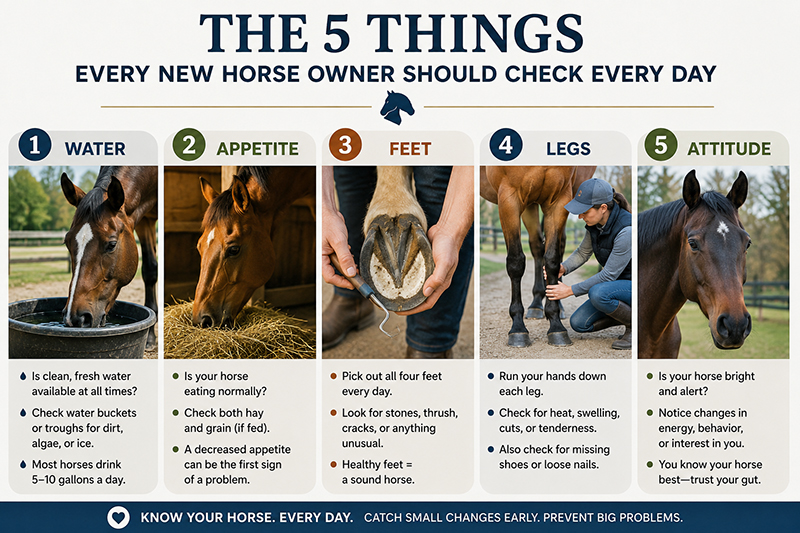
One of the most common questions new owners ask is, "What should I be doing every day?"
While every stable develops its own routine, a typical daily horse-care schedule includes:
Feeding and Water Checks
Feed on a consistent schedule whenever possible.
At each feeding, observe your horse carefully.
Is he alert?
Is he interested in food?
Is he standing normally?
Does anything seem different from yesterday?
Many health problems reveal themselves first through small behavioral changes.
A Quick Physical Inspection
Run your hands down each leg.
Check for heat, swelling, cuts, scrapes, or tenderness.
Look for missing shoes, loose nails, or damaged hooves.
These inspections take only a few minutes but can help identify problems before they become serious.
Picking Out Feet
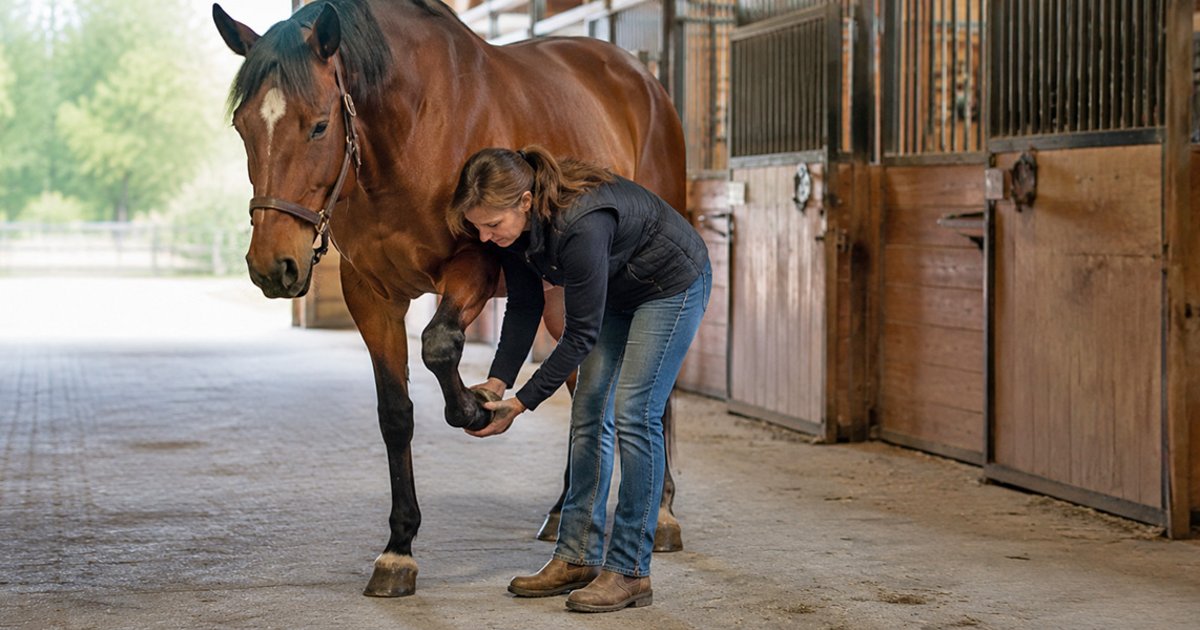
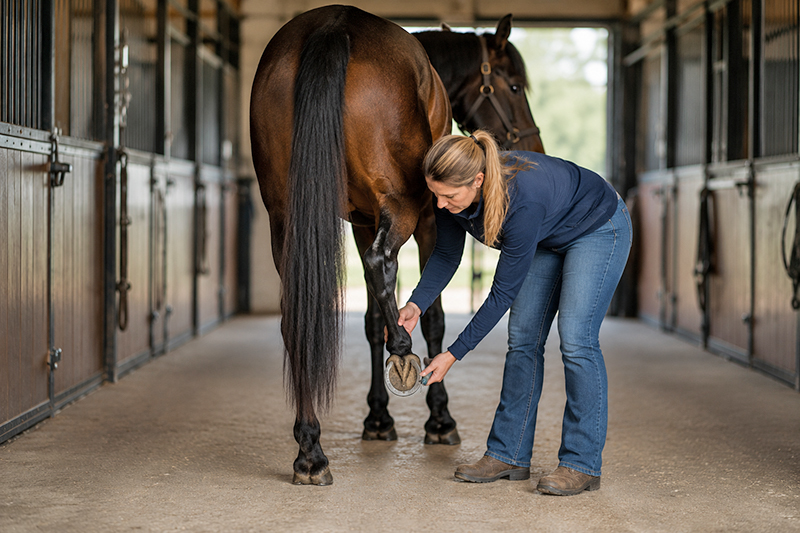 Every horse owner should own a hoof pick and know how to use it safely.
Daily hoof cleaning removes stones, mud, manure, and debris that can contribute to bruising, abscesses, or thrush.
Healthy feet are the foundation of a healthy horse.
Stall and Paddock Maintenance
Clean living conditions reduce exposure to parasites, flies, ammonia, and harmful bacteria.
Whether your horse lives in a stall, paddock, or pasture, cleanliness contributes directly to health.
Movement and Turnout
Horses were designed to move.
Regular turnout promotes circulation, supports digestive function, reduces boredom, and contributes to overall mental health.
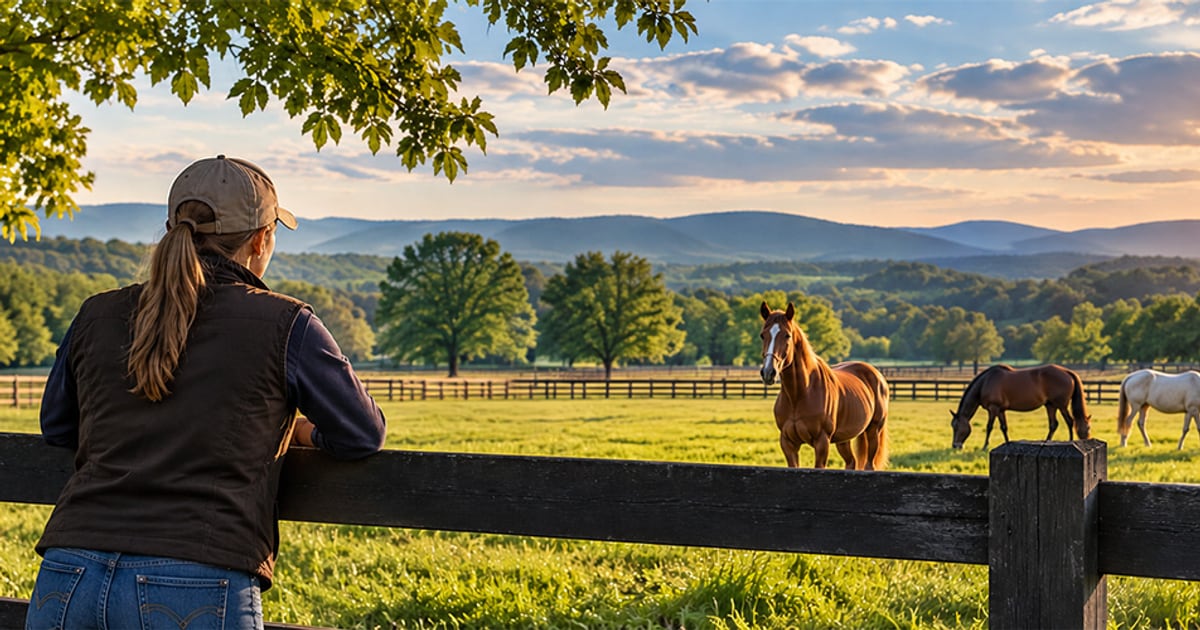
The horse standing quietly in a pasture is actually doing important work by simply walking, grazing, and moving naturally throughout the day.
Motion truly is medicine for horses.
Grooming Is More Than Appearance
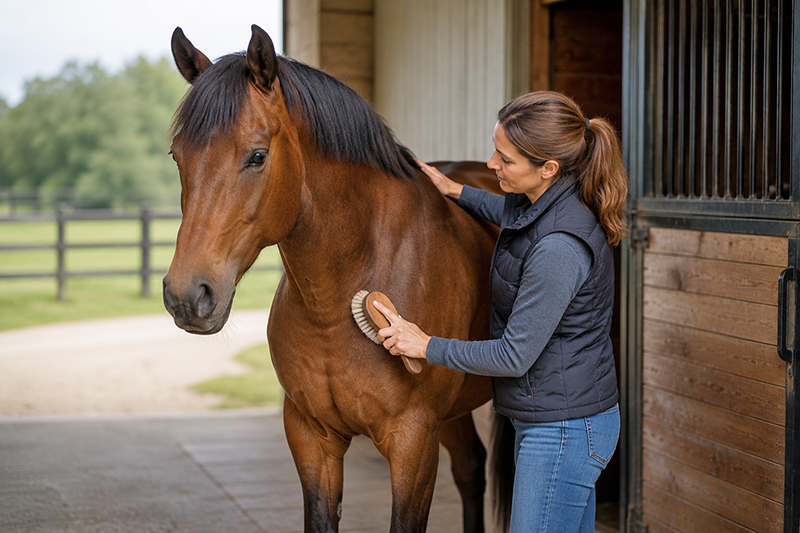 Many new owners view grooming as something done before riding.
Experienced horse owners know better.
Grooming is one of the most valuable health inspections you will perform.
While brushing your horse, you may discover:
- Cuts or abrasions
- Swelling
- Tick bites
- Skin conditions
- Weight changes
- Heat in tendons or joints
- Soreness
- Pressure points from tack
Grooming also strengthens trust between horse and owner.
Those quiet minutes spent brushing often become some of the most rewarding moments of horse ownership.
Who Should Be on My Horse-Care Team?
One of the smartest things a first-year horse owner can do is assemble a team of trusted professionals.
Your Veterinarian
Your veterinarian helps oversee:
- Annual wellness examinations
- Vaccinations
- Dental care
- Coggins testing
- Parasite-control programs
- Emergency care
- Nutritional guidance
Building a relationship with a veterinarian before an emergency occurs can save valuable time when problems arise.
Your Farrier
A horse's feet continuously grow and require regular maintenance.
Most horses need trimming or shoeing every six to eight weeks, though schedules vary.
A skilled farrier helps maintain balance, comfort, and long-term soundness.
Your Trainer or Instructor
A knowledgeable instructor benefits both horse and rider.
Good trainers improve safety, help prevent bad habits, and provide guidance during situations that can feel overwhelming to new owners.
The most successful horse owners rarely try to learn everything alone.
Learn Your Horse's Normal
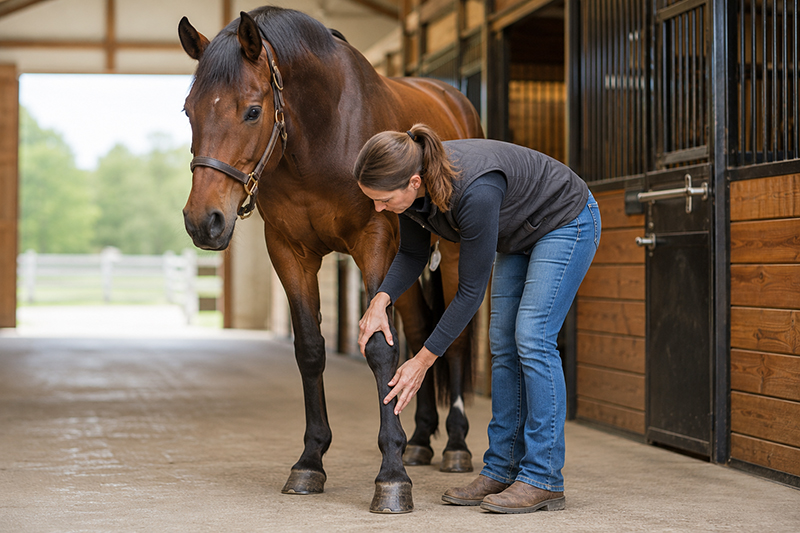 If there is one skill that separates experienced horse owners from beginners, it is the ability to recognize when something is not quite right.
That skill comes from learning what "normal" looks like.
Know your horse's:
- Typical appetite
- Energy level
- Manure consistency
- Water consumption
- Movement patterns
- Resting attitude
- Body condition
Most health issues begin with subtle changes.
The owner who notices those changes early often prevents a minor problem from becoming a major one.
You do not need the fanciest barn, the most expensive equipment, or the latest supplement.
You simply need to know your horse.
Common Mistakes First-Year Horse Owners Make
Almost every horse owner makes mistakes during the first year.
Some of the most common include:
- Changing feed too quickly
- Overfeeding grain
- Ignoring small hoof problems
- Waiting too long to call the veterinarian
- Skipping routine dental care
- Purchasing supplements before understanding basic nutrition
- Comparing their horse to every other horse in the barn
Mistakes are part of learning.
The goal is not perfection.
The goal is steady improvement.
Give Yourself Some Grace
There will be days when you feel completely confident.
There will be days when you feel completely overwhelmed.
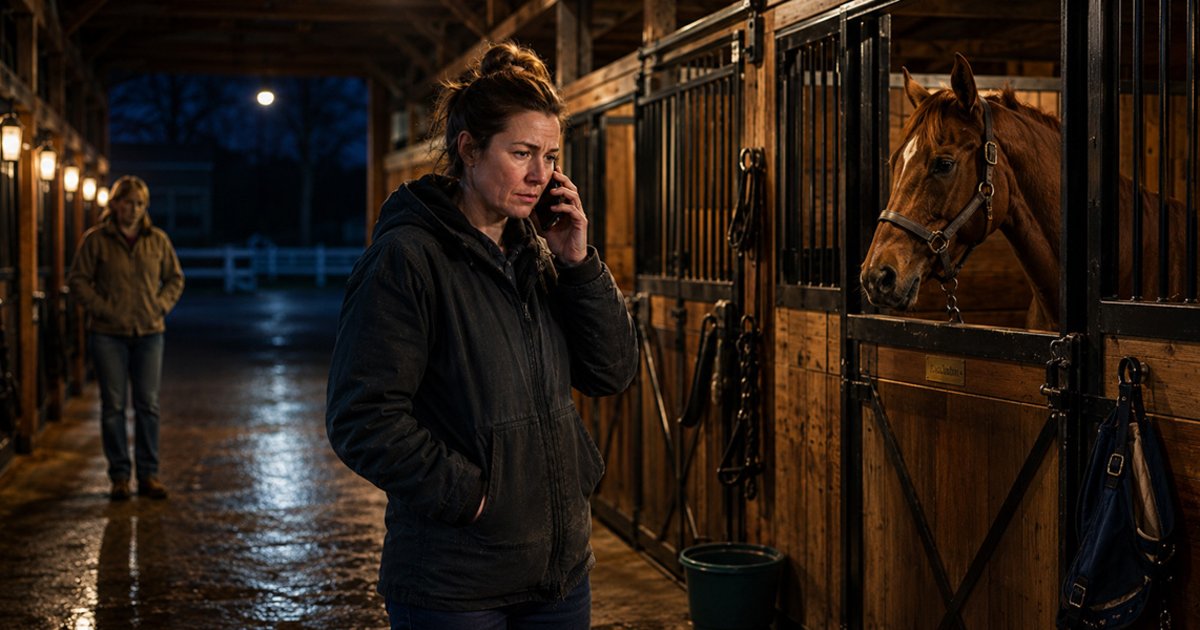
Every experienced horse owner remembers standing in a barn aisle wondering if they were doing enough, feeding enough, learning enough, or making the right decisions.
The good news is that horses are remarkably forgiving teachers.
The learning curve becomes less steep with every season.
Ask questions.
Listen to experienced professionals.
Trust your instincts when something feels wrong.
And remember that successful horse ownership is rarely about doing a few things perfectly.
It is about doing the important things consistently.
Feed forage.
Provide clean water.
Keep your horse moving.
Pick out the feet.
Learn what normal looks like.
Do those things well, and you will have already given your horse one of the greatest gifts possible—a knowledgeable, attentive owner.
And for a horse, that makes all the difference.