

Good Horse Management and Pasture Practice
With Richard Winters
Safe pasture keeping for horses comes down to a handful of habits: horse-safe fencing with absolutely no barbwire, turning a new horse out only with plenty of daylight left so it can see the terrain and fence lines, and introducing electric fencing on your terms by leading the horse to the hot wire to investigate it first. Supervise a new horse’s first turnout with the herd while the pecking order settles, spread separate feed mangers well apart so every horse can eat in peace, and keep pastured horses barefoot behind to minimize kicking injuries. Managed this way, horses turned out together enjoy a more natural environment that benefits each horse’s mental well-being.
Recently our family has started a new chapter. We have relocated our horse operation and home base to Reno, Nevada. My wife has been busy unpacking boxes and hanging pictures. I've been busy outside setting up barns and arenas. One new dynamic to our facility is the ability to turn horses out in a four-acre pasture, on our property. At our prior location we didn't have that flexibility and most of our horses lived in stalls.
We currently have a pregnant mare and three yearlings. The idea of keeping them turned out in the pasture means a more natural environment for them and less work for me! However, there are some inherent risks that accompany this benefit. Below are a few things to keep in mind when leaving the box stall for the freedom of the pasture.
Fence Safety Is your fence really horse safe?
It is probably safe to say that it is our budget that dictates what kind of fencing we use. Welded pipe is great if you can afford it. A wooden board fence might be more economical and some type of woven wire is cheaper yet. These are all viable options. However, there is one material that should never even be considered and that's barbwire. If you have never seen a horse on the losing end of a barbwire entanglement, no doubt at some point you will. What’s my recommendation? Get rid of the barbwire or get your horse away from it. If you don't, you will more than likely one day be sorry.
Don't Turn Out A New Horse On Pasture Without Plenty Of Daylight Left I want my horse to have good visibility to initially explore the terrain and perimeters of the pasture. While enjoying their new freedom, horses will run wildly without giving consideration to possible boundaries. Good visibility in daylight hours will give them a better chance of not crashing through your fence line. You might even consider leading your horse around the perimeter before turning them loose. Better safe than sorry!
Introduce The Hot Wire On Your Terms Electric fences are common in animal enclosures and can be useful and effective. They can keep a horse from pushing against woven wire and discourage chewing on wooden boards. They can also help in maintaining space between horses in adjacent pastures. Yet each horse needs to understand how the electric fence works. I will often lead a horse to the hot-wire and allow him to investigate and touch it for the first time. In this way I can have some control over the situation and know that my horse has discovered the hot wire and respects it.
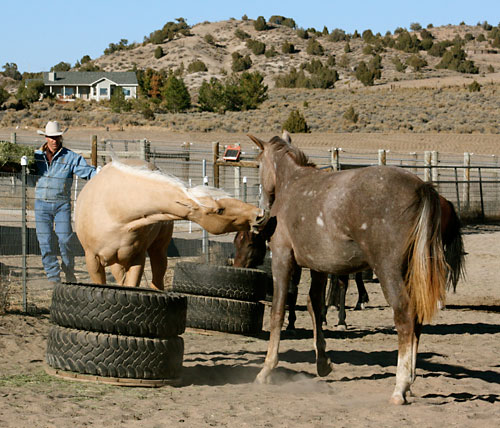
Herd Dynamics And Pecking Order Most horses will work things out and eventually get along with his or her pasture mates after a day or so. However, at first there can be a lot of squealing and carrying on when a new horse is introduced. I want to be there and keep an eye on things for a while when I first turn a horse out with others. This allows me to see how things are going and also enables me to intervene if needed.
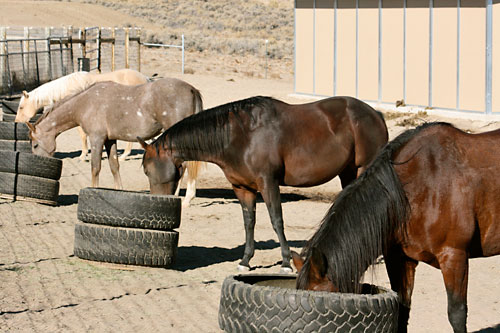
Let Horses Eat In Peace My pasture currently houses five horses, with five separate mangers, spread out at fifty-foot intervals. This allows each horse to have a place to eat without constant competition. If two horses choose to eat from one manger, simultaneously, that's fine. This will simply allow the others more time and choices to eat unmolested.
Minimize Kicking Injuries Currently all of my pasture horses are barefoot behind. Horses with hind shoes are wearing serious weapons that can cause a lot of damage. Horses living together are going to kick at each other. Most of the time it will be fairly harmless. However, a horse with hind shoes can turn a simple kick into a serious injury or laceration in short order.
The afore mentioned is by no means an exhaustive list of do's and don'ts. I believe that horses turned out together create a natural environment and is beneficial to each horse’s mental well-being. Hopefully these ideas will prompt you to consider your pasture practices and what you can do to ensure a safer environment for your horse. Each of us can minimize the inherent risks of pasture living by utilizing these practices.
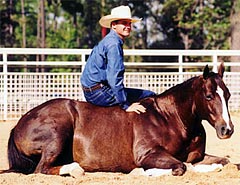
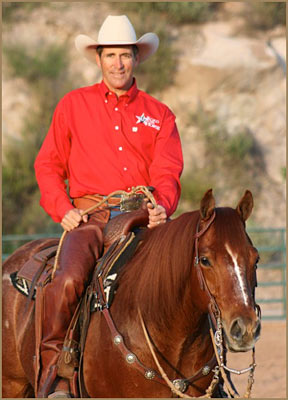
Richard Winters Horsemanship Biography For over 30 years Richard has dedicated himself to honing his horsemanship skills and to passing this knowledge on to others. His vast experience includes starting literally hundreds of horses that have gone on to almost every equine discipline imaginable. Richard's credentials extend from the rodeo arena and high desert ranches of the west to being a highly sought after trainer and horsemanship clinician.
Richard Winters credentials include World Championship titles in the National Reined Cow Horse Association and he was the 2009 Road to the Horse Colt Starting Champion. He is an AA rated judge. Richard is a masterful communicator with horses and humans alike and has judged the Supreme Extreme Mustang Make-Over, many Nrcha club shows, along with myriad expo contests. Richard’s International travels include Canada, Australia, Mexico, Sweden and Poland where he earned the European International Colt Starting Championship Title.
For more information about Richard Winters Horsemanship please go to www.wintersranch.com.