

Handling Horse Competition Pressure
With Richard Winters Horsemanship
The key to a horse that holds together under show-pen pressure is to reverse the usual formula—ask for 100% effort regularly at home, then step into the show pen at 75%, rather than training softly and demanding maximum effort only on competition day. A horse that has never been tested at full speed and intensity in practice becomes increasingly worried and anxious when suddenly pushed in the arena, so schooling controlled high-speed, high-intensity work on a regular basis—not just before a show—builds the mental toughness that makes show day feel like just another day at the office.
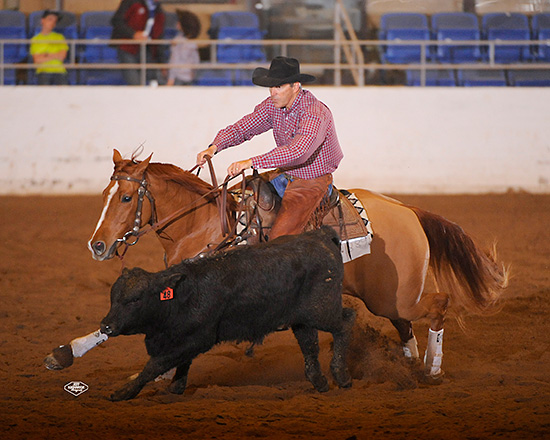
I’ve just returned from a Quarter Horse Show where over the course of one week I showed four horses a total of thirty-seven times. Those classes include Ranch Pleasure, Cutting and Reined Cow Horse competitions. All of these classes ask for speed and agility. Certainly the Reined Cow Horse class required the most speed, intensity and physicality. I enjoyed some modest success and also had my share of difficulties. However, as always, it was a great learning experience and I hope I’m smarter for it.
This is what I’ve learned: As I’ve have been preparing my horses for competition, I have attempted to be slow, methodical and correct in my training. I’m not one who is confrontational or eager for a fight, whether it is with horses or humans. In retrospect my training program has asked my horses for about 75% of their ability on any given day. They have been exposed to a certain amount of pressure but rarely testing their physical and mental limits.
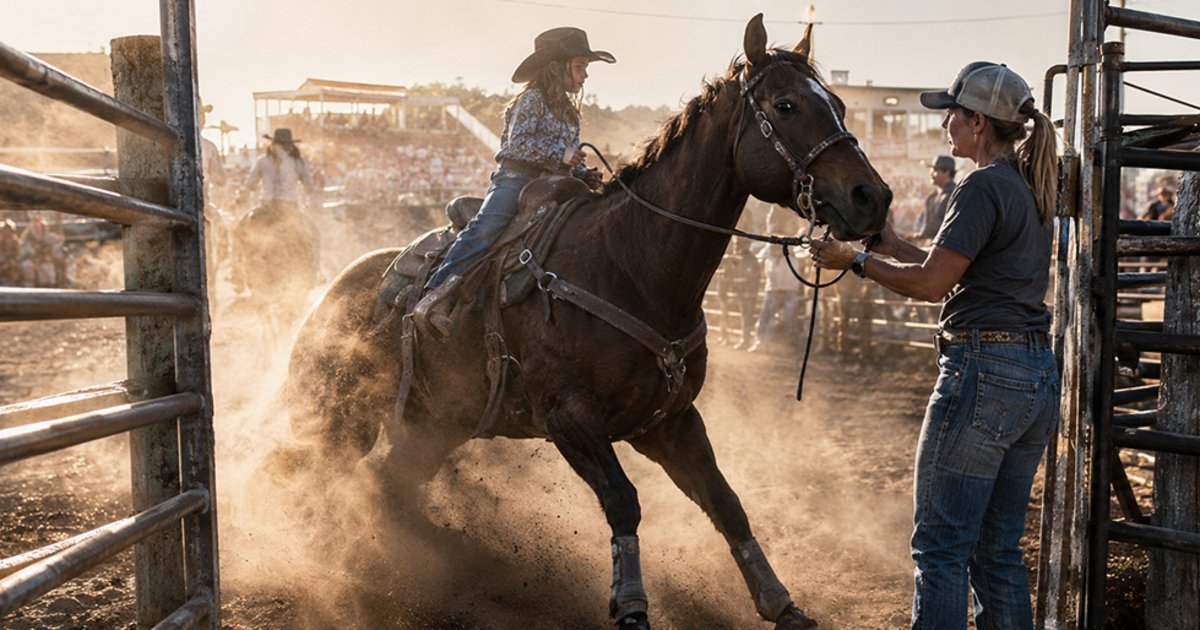
Now here is the problem: When I entered the show pen, I began to ask them for 100% effort. This was a mental request that they were not emotionally prepared for or comfortable with performing. During the course of that week I could feel my horses get increasingly worried and anxious about entering the big empty arena, in front of a judge. They began to think that this was a place where bad things might start happening (i.e.
running, stopping and turning with Richard clucking, kicking and pulling!) This is not the scenario I am trying to create. I want my horses to be confident, happy and secure with their jobs. However, I realize that I have not been adequately preparing them to go out and perform with maximum effort.
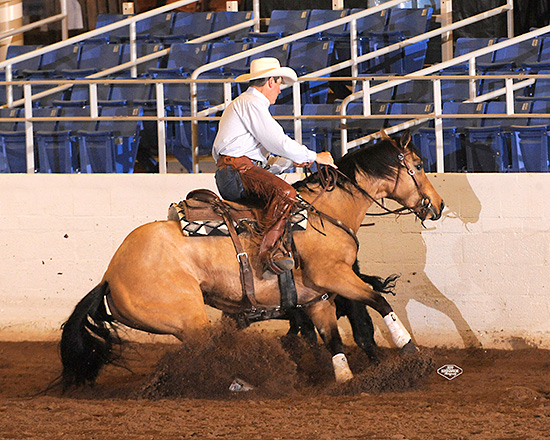
I need to change my thinking and thus my practice. Rather than train at 75% and then show at 100%, I need to frequently ask for 100% effort at home and then step into the show pen at 75%. Now, I understand that this is an over simplification and not an absolute formula. Yet, I think the general idea is more realistic to the achieving of my goals. Coaches ask athletes to put out 100% effort during practice and create drills that build the muscle memory and mental toughness required on game day.
Our son is a Rescue Swimmer in the U.S. Coast Guard. During training, his instructors put him in almost every pressurized water scenarios possible. There were times that Joe thought they were literally trying to drown him. Yet, that training has prepared him to handle the most intense and unexpected situations he encounters during real life rescues.
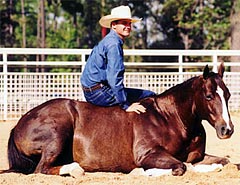
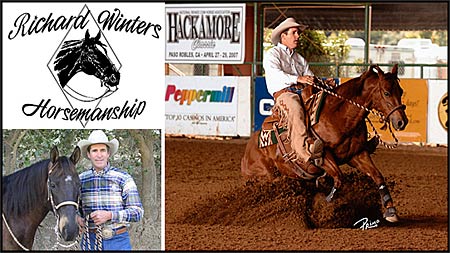
About Richard Winters For over 30 years Richard has dedicated himself to honing his horsemanship skills and to passing this knowledge on to others. His vast experience includes starting literally hundreds of horses that have gone on to almost every equine discipline imaginable. Richard's credentials extend from the rodeo arena and high desert ranches of the west to being a highly sought after trainer, horsemanship clinician and expo presenter.
Richard Winters’ horsemanship journey has earned him Colt Starting and Horse Showing Championship titles. Obtaining his goal of a World Championship in the National Reined Cow Horse Association became a reality. He is an AA rated judge. Another of Richard’s horsemanship goals was realized with his Road to the Horse Colt Starting Championship win! There is no question to Winters’ qualifications as Horseman’s Host, returning to Road to the Horse as a commentator, for the 5th consecutive year,
International travels include Canada, Australia, Mexico, Sweden and Poland where he earned the European International Colt Starting Championship Title. Richard is a "Masterful Communicator" with horses and humans alike!
I don’t like getting into trouble with my horses and I don’t like my horses being troubled. That’s a good thing. Yet, I think I’ve been guilty of protecting my horses too much and not building the mental toughness that is necessary in today’s competitions. My horses need to get comfortable dealing in that realm of mental and physical pressure so that show day just becomes “another day at the office.”
For me, practically, this means asking and expecting controlled high speed and intensity in my reining circles and run-downs on a regular basis. In the cow work it means going down the fence and circling a cow more than once or twice a month or just right before a show. We cannot expect our horses to hold together at the horse show if we have not adequately prepared them at home.
O.K. What might all of this mean to you? What areas have you been staying away from in your training? Are there times that you protect your horse (And possibly yourself!) and not allow them to make a mistake? Perhaps with one of the following:
1 Asking your horse to lope
You can fill in the blank for your particular situation. That’s what I’m doing and I’m going to make the appropriate adjustments in my training program. Horses can do extraordinary things for us, yet it is our responsibility to properly prepare them to handle the pressure.
Richard Winters Horsemanship WintersRanch.com