

Horse Training is Feel, Timing and Balance by Richard Winters
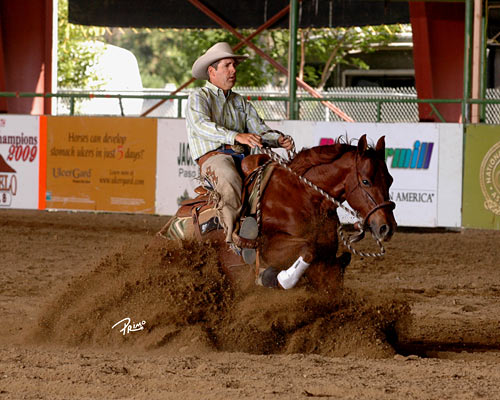
In horsemanship, feel, timing, and balance are the three qualities that set great horsemen apart—ideas the late iconic horsemen Tom Dorrance and Ray Hunt brought to the forefront. Feel is recognizing the subtle movements and changes in a horse’s body and demeanor; timing is knowing when to do something and when to quit, because horses learn when pressure is released, not when it is applied; and balance covers both an independent seat and a training program that knows when to ask a horse to travel collected and when to let him relax and move forward freely. The three are interconnected—a rider who is weak in one is probably lacking in the other two as well.
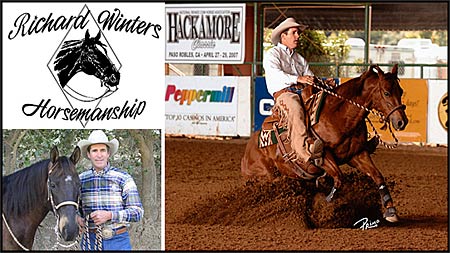
Analizing the Sliding Stop
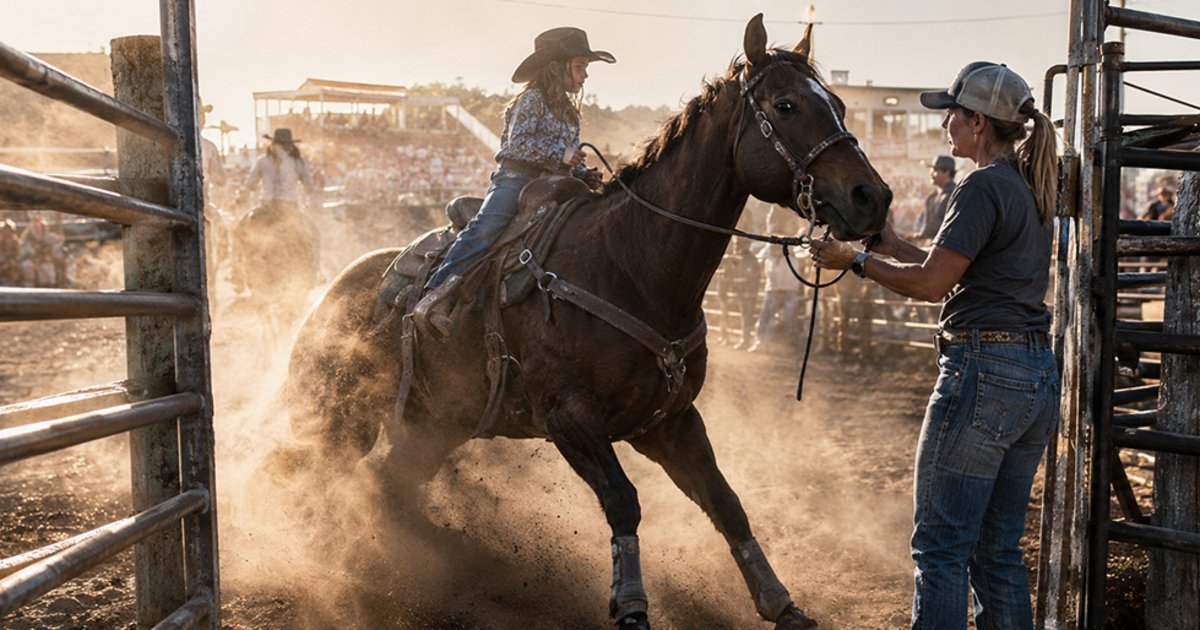
Feel – A rider must use feel to build a run-down that has momentum and drive in preparation for the stop. Feel helps a rider know how much to hold on the reins during the stop.
Timing – When our timing is off, it’s possible to miss the stop. In other words, we may say whoa at the wrong time in a horses stride.
Balance – It requires balance to support the horse through the stop. Without rider balance, a horse may come up out of his stop.
Feel, timing, and balance are three abstract terms often used to describe the qualities that great horsemen and women bring to the horse/human relationship.
The late iconic horsemen, Tom Dorrance and Ray Hunt, brought these ideas to the forefront for students and prodigies who were serious about improving their own horsemanship skills. It’s easy to understand a bit, spur, rope, or some other type of horse equipment. However, feel, timing, and balance are intangible and thus harder to grasp. The following are some of my thoughts in regard to these concepts. I will not give you the last word on the subject and I understand that some would add, delete, or differ from my simple explanations. My goal is to remind you to be diligent in regard to your own feel, timing, and balance.
Feel Riders that have “feel” key into and recognize the subtle movements and changes in their horse’s body and demeanor. These riders feel when a horse is resisting pressure and when they are yielding. This feel lets you know that a loping horse will be trotting in the very next stride. Good feel reveals when a horse is adequately warmed up and ready to ride or when more preparation is necessary.
This feel allows a rider to flow with a horse’s body throughout transitions and stay in harmony even when a horse moves erratically. A rider with feel is extremely comfortable handling the reins and uses their hands and legs in concert to support and direct their horse. Some riders show a very natural feel for a horse even as a novice. Natural feel along with years of dedicated experience is what set great horsemen apart.
Timing Timing is what we use to help our horses learn. Timing is what brings results to our feel. Horses don’t learn when pressure is applied. They learn when pressure is released. Pulling on a rein is easy. Letting go at the right moment requires good feel and timing. A horse’s main goal is to be comfortable. A great rider can use good timing to put a horse in a bind and then show him a way out.
It was said of one trainer, “He can really get into one. But he knows how to get out.” In other words, the trainer applied feel and timing to firmness and intensity as well as release. Just pulling on the reins or kicking with a spur without good timing won’t train a horse. Applying pressure and release with perfect timing will bring out the best in every horse. When our timing is off, the horse becomes confused and communication breaks down.
Timing means that we know when to do something and when to quit doing what we are doing.
Balance Certainly balance includes the ability to ride with good posture and an independent seat. Balance means we don’t hang on with the reins and we don’t grip with our heels to keep from falling off. Riding with balance brings confidence and clarity to your horse. Young horses especially need a balanced rider that will flow with them despite the horse’s inconsistent movement.
Beyond the physical aspects of balance, our approach to training must include balance as well. Good horsemen know that too much of a good thing is not good. Training regiments must have balance. Riders with balanced training programs learn that there is a time for a horse to frame up and travel collected and a time to allow the horse to relax and move forward freely. When I was younger I worked for a trainer that instructed me to warm my horses up for twenty minutes, train for twenty minutes, and then spend twenty minutes allowing the horse to cool down.
This regiment brought balance to every ride and kept the horses attitudes good. My cow arena is a ten minute walk from the barnyard area. Perhaps it’s not always convenient, but it does bring balance to my training program.
As I consider these descriptions it is apparent that feel, timing, and balance are interconnected. If a rider is obviously weak in one of these areas, it’s probable that they are lacking in the other two as well. You can ride quality horses and use all the proper equipment, yet without feel, timing, and balance you’ll be stuck as a mediocre horse-back-rider.
As you continue to invest in yourself and develop these three qualities, you’ll leave the ranks of horse-back-rider and join the elite group entitled “horsemen.” These subtle qualities will allow you to use ordinary equipment to get extra-ordinary results. Feel, timing, and balance will help you make tough horses better and good horses great!
For more information about Richard Winters Horsemanship please go to wintersranch.com.