

Are You Ready For A Horsemanship Clinic?
Know what to expect so you can be prepared mentally and physically for your first Horse Clinic experience!
Performance Horsemanship with Richard Winters
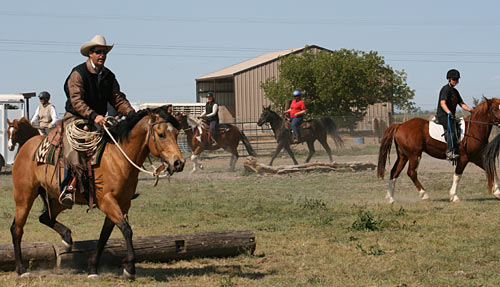
To prepare for a horsemanship clinic, contact the clinic host or clinician ahead of time to make sure the topics covered match your goals, inquire about extra fees, and check your trailer and your horse’s loading a week or two before you leave. Riding in a clinic can mean four to eight hours in the saddle, so get both yourself and your horse physically and mentally conditioned before the date arrives—then show up ready to ask questions and try things the teacher’s way.
Over the last twenty years, Horsemanship Clinics have become very popular with horse enthusiasts. You would be hard pressed to find one of your horse loving friends who haven’t been to some type of clinic in hopes of improving their horsemanship skills. Clinics are a great venue to give the average horse owner access to professional’s who otherwise might not be available unless you had your horse in full training with that individual. Below are a few things to consider that might help your next clinic be a positive experience.
Know What You’re Getting Yourself Into Contact the clinic host (or clinician, if possible) and discuss what will be covered at the clinic. Do the areas covered coincide with your goals? If you want to improve your riding seat, then a clinic that consists of solely ground work would not meet your needs. You wouldn’t want to take an unstarted colt to a horsemanship clinic where everyone is expected to ride.
If you want to focus on reining, attending a reined cow horse clinic might side-line you for half of the clinic while participants work on the cow work portion of that discipline. Your time is important and your money is precious. Make sure you’re signed up for the right clinic to meet your objectives.
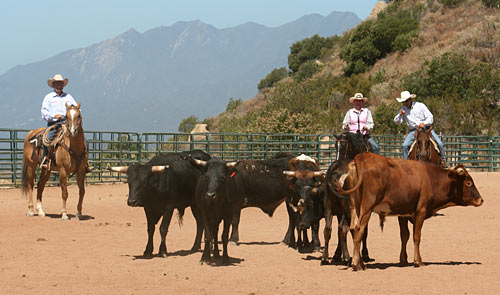
Be Aware Of Extra Fees Most clinics have a basic fee that the clinician charges. There might be also fees for things like: arena day use, cattle charge, over-night horse board, catered lunch, etc… Inquire ahead so there are no surprises.
You And Your Horse Should Be Physically Prepared Riding in a clinic might mean being in the saddle from four to eight hours during the day. If you and your horse are only used to riding three to four hours a week, this can be physically taxing. (Don’t forget the Motrin!) Having a horse that has been sitting in the pasture for six months and then hauled off to a clinic might keep you from taking full advantage of the clinics activities.
Start getting you and your horse physically and mentally “legged-up” before the clinic date rolls around. If the clinic encompasses ground work, then you know that part of the day will be spent being physically active - practicing these ground games. Being physically fit and prepared will help you glean the most from your clinic experience.
Make Sure Your Trailer Is Well Maintained And Your Horse Loads Well If your trailer has been sitting dormant for months, it’s probably time for some inspection and maintenance. It’s possible that your horse hasn’t been loaded for a while or perhaps you don’t know his trailering history. Check things out a week or two before the clinic so you don’t run into problems the morning you try to leave. It may sound obvious, yet I have had occasions throughout the years that a clinic participant was a “no-show.” Later we heard that they attempted to load their horse the morning of the clinic and couldn’t get the horse to walk in to the trailer!
Don’t Be A Wall Flower You’ve taken a weekend from your busy schedule. You’ve paid a substantial amount to participate in the clinic. Why would you want to disappear in the crowd of horses and riders and not be noticed? Ask questions. If you’re struggling with a particular exercise, ask for help. Ask for clarification if you didn’t quite understand the instructions. Ask the clinician to observe your maneuver and critique your performance. Unless you’re obnoxious, or rude, most clinicians appreciate riders who are hungry for knowledge and want to learn.
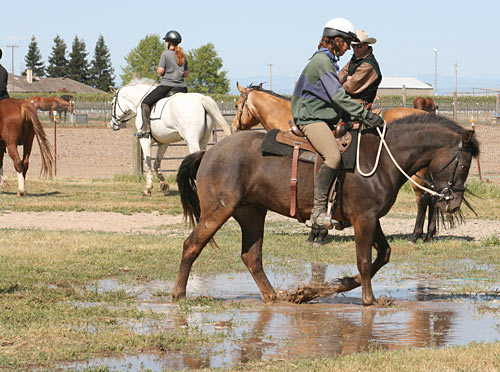
Try It The Teachers Way Unless you feel that something is unsafe or harmful, you should try to follow the clinicians’ direction as closely as possible. That’s why you came! You wanted to learn the techniques of this particular equine professional. You probably won’t understand the subtle reasons behind every exercise, yet while you’re there, you should do your best to do things the teachers way. After you get home you can sort things out and decide what works best for you and which things possibly don’t fit your particular program.
Be Aware You’re in a brand new place surrounded by a lot of new horses. Each of these horses are being handled by riders of varying degrees of experience. Paying attention to your immediate surroundings can help keep you and others safe. Not every equine mishap can be avoided. However, yielding some space to a less competent rider is the best policy in avoiding a wreck. If your horse is becoming more than you feel comfortable dealing with, you should immediately bring this to the attention of the clinician.
Let them help you de-fuse the volatile situations. Perhaps they’ll coach you through the problem. Or they might suggest you allow them or their assistant to work the horse through a “sticky” spot. Either way, you and your horse will benefit and stay safer.
Don’t Be Afraid Of Failure When they ask for a volunteer, be the first to step up! Be the “guinea pig.” Let the clinician use you and your horse for every example possible. Sometimes you’ll look like a star. Other times you’ll feel like you’ve flunked. Yet every time you’ll learn something and be gaining valuable experience.
Spectating Can Be A Great Learning Experience I’ve learned a tremendous amount from great horsemen when I’ve had the opportunity to audit one of their clinics. Without the pressure and responsibility of my own horse, I was able to grasp more concepts and see more techniques played out on multiple horses. Just because you can’t financially or logistically ride in a clinic, a lot can be gained while sitting on the bleachers.
Next time the horseman, or woman, comes to town; grab your bottled water, sunscreen, aspirin, and an open mind! With a little forethought and a plan the next horsemanship clinic can be an invaluable experience.
For more information about Richard Winters Horsemanship please go to wintersranch.com.