

Improving Your Horsemanship with Richard Winters
Becoming a better rider comes down to four proactive investments: ride as often as you can, find a riding partner who encourages and motivates you, get quality instruction through lessons, a mentor, or clinics, and set clear goals with reasonable steps to reach them. Quality instruction accelerates progress farther and faster than working alone, and horsemanship itself is a lifelong journey of knowledge and experience—no one ever truly arrives.
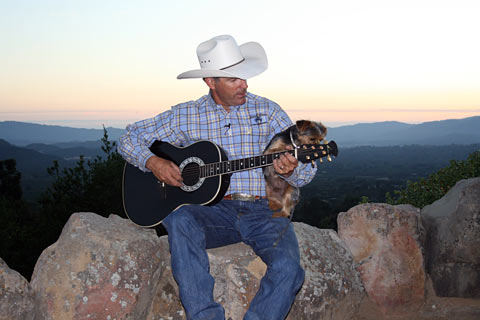
When I was 15 years old, a friend loaned me a guitar and showed me three cords to play.
I could play almost every cowboy western song I knew with just those three cords! It’s now over thirty years later and I still enjoy playing my guitar. Someone told me recently, “Richard, I don’t know of anyone who has played as long as you have played and improved as little as you have improved!”
To my embarrassment, they’re right. I pick up my guitar once in awhile and play the same little songs with the same old cords that I did when I was fifteen. You may be wondering what that has to do with horsemanship. How long have you been riding? How do your horsemanship skills compare now to five or ten years ago? Horsemanship is a journey of knowledge and experience that will continue for a lifetime. You do however; have to proactively invest in yourself. If you sign up for ten riding lessons, by the end of the tenth lesson you can be a certified “horseback rider.” That’s the equivalent to my borrowed guitar and three cords.
That’s a long way from being a musician. Ten horseback riding lessons, without falling off, is a good way to start. Yet it’s a long way from being a horseman. I have spent the last thirty-five years seriously investing in my own personal and professional horsemanship. I’ll be the first to admit that I should be farther along and no one knows better than me that I have a long way to go. My goal with this article is to cause you to be dissatisfied with being just a horseback rider and motivate you to begin investing in your “horsemanship.”
How are you going to do that?
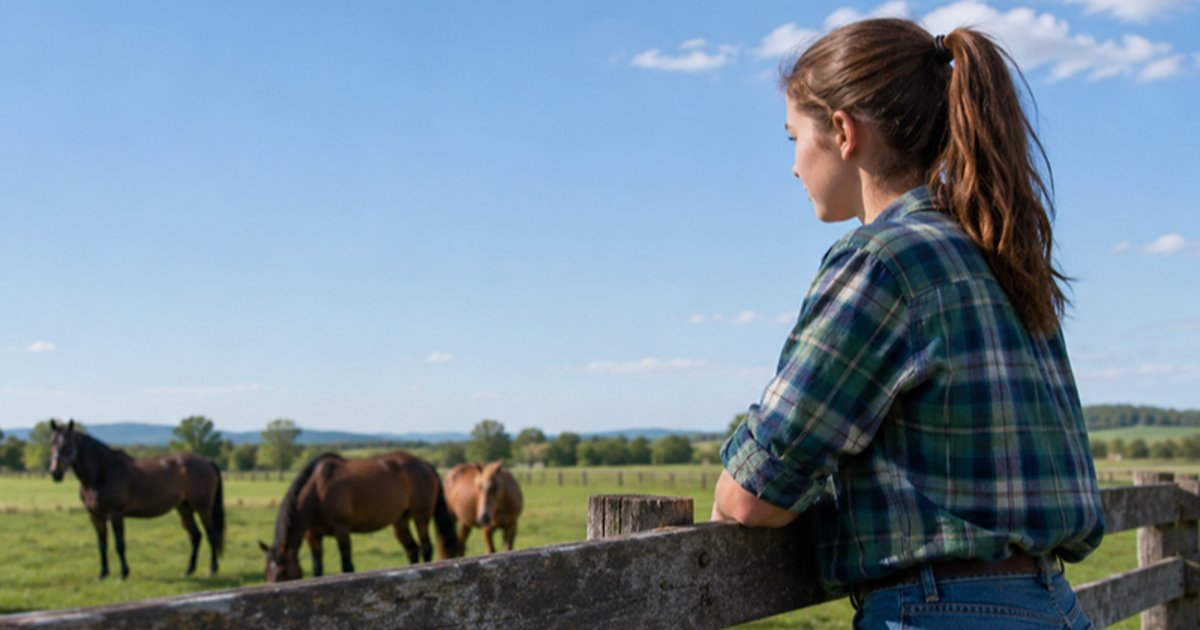
' Ride! There is no substitute for physically going out, catching your horse, saddling up, and riding. How often do you ride? Once, or maybe two or three times a week? How often do we send our kids to school? How often do we insist the piano student sits down to practice? I recognize that most of you have lives beyond your horses. You have kids to raise and responsibilities at work. I’m simply encouraging you to invest in your personal horsemanship by saddling up and riding. Horsemen and women ride when it’s cold, hot, wet, raining, early or late. They will ride when they’re tired, sick, hurt, and even when American Idol is on T.V. - Let’s get out and ride!
' Find a riding partner who can encourage and motivate you. Knowing that your friend is already saddling up and waiting for you is a great motivation to ride as well. Having another set of eyes is a great way to enhance your horsemanship skills. Listening to their objective opinions can help you see more clearly what’s going on with you and your horse. “Hey, what lead am I on?” “Jim, tell me what this stop and turn looks like.” My daughter Sarah and I have ridden together for years. I’ve found it to be helpful, motivating and more fun.
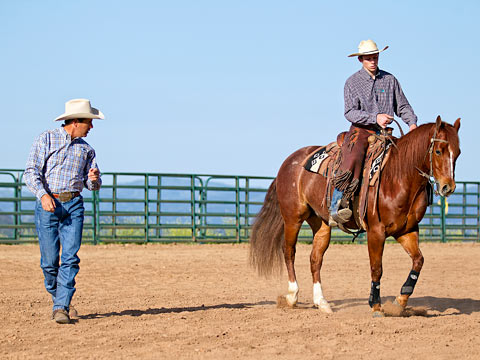
' Get help. Taking lessons, having a horsemanship mentor or participating in a clinic are all great ways to advance. You will find very few great horsemen or women that are not quick to acknowledge the teachers and mentors that have helped them on their horsemanship journey. There is a lot you and your horse can learn together on your own. However, taking advantage of quality instruction will accelerate you farther and faster than you ever could on your own. I practice what I preach. I make my living training horses and instructing riders. Yet, I continually seek out help by participating in clinics or taking private lessons to advance my own personal horsemanship skills and goals.
' Set Goals. What do you want to accomplish? Your goals don’t have to be the same as mine or anyone else’s. Do you hope to compete? Do you want to take a backcountry pack trip? Perhaps you’ve been struggling with confidence issues and simply want to feel comfortable loping circles in the arena. Set your goals and figure out the most reasonable steps to make progress. Get the help and support you’ll need to realistically achieve your horsemanship goals. Someone once said, “I’d rather shoot for something and miss than shoot for nothing and make it.”
If you haven’t seen me in a while, I hope you notice that my horsemanship has improved since the last time we rode together. If you see me again in a few years, I hope to be better than I am today.Horsemanship is a life-long endeavor. I don’t believe anyone ever “arrives.” So now is the time to engage in the process and enjoy the journey along the way.
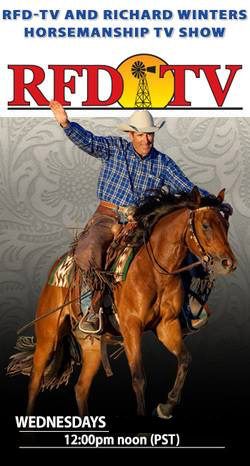
For more information about Richard Winters Horsemanship please go to wintersranch.com.