

Leading Your Horse - Who's Leading Who? By Steve Sikora
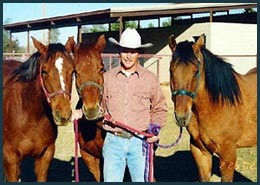
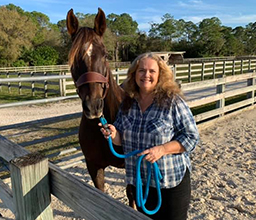
A horse leads properly when she holds her position—her eye just aft of your shoulder—with no input from the handler, never pulling out in front or dragging behind. Good leading rests on three components: body position, speed control (the horse matches your pace whether you walk briskly, jog, or stop suddenly), and turning (she turns without added pressure on the lead rope and yields out of your way when you turn toward her head). Mastering these basics is first and foremost a safety matter, and it puts your horse’s attention on you from the moment you first touch her at the stall or turnout.
I consider riding horses an athletic endeavor, the basics are what make the difference between being average or being a superstar. Often times it is the execution of these basics that separate the good from the great. In my opinion, leading properly is the most important skill to have your horse master.
But what is really good leading anyway? Proper leading is made up of a number of components.
The first is body position. I expect a horse to hold her position in relation to my body. I like to keep her eye just aft of my shoulder (you may adjust this exact position as you deem necessary). My horse should not be out in front of me leading me and she should not be behind with me attempting to drag her where I want her to go. This position should be maintained with no input from me.
Second, is speed control. If I choose to walk at a brisk pace my horse must adjust her pace to keep up, even if I decide to run. When I choose to slow down, my horse must slow along with me. Should I jog along and then stop suddenly, so should my horse. Third is turning. When I turn away from my horse she should turn without the addition of pressure on the lead rope and she should speed up as necessary so that she maintains her position (her eye just aft of my shoulder). As I turn toward her head, even if I jog, she must yield out of my way.
What does this level of leading offer me?
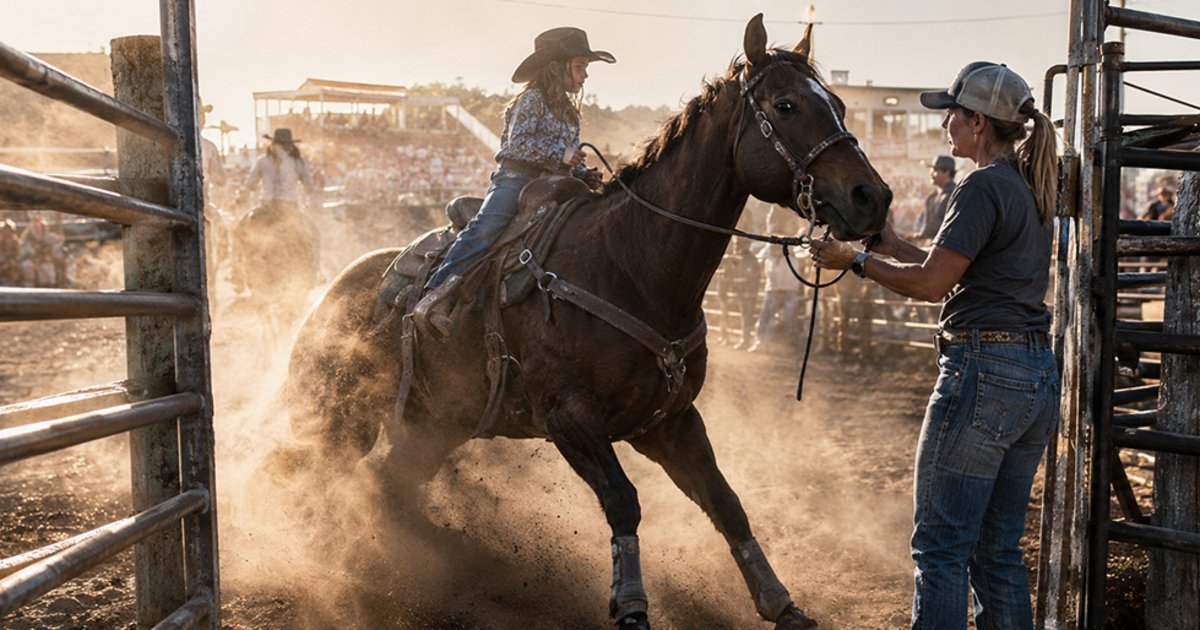
First and foremost it offers a greater level of safety. Many people are hurt each year because of unsafe leading issues. Their horses step on them, or swing their heads and cold cock their owners, often breaking their glasses and cutting their faces or worse.
Secondly, having your horse leading well will allow you to see past your horse and thereby giving you the opportunity to see things coming toward you that otherwise would have been hidden from your site. Being able to see where you are going when you turn towards your horse is also a huge help. Horses that do not lead well will often drag off their owners breaking their handler's fingers, bruising hands and a variety of other unnecessary injuries.
Lastly, teaching your horse to lead well will teach your horse to engage her mind on you from the time you first touch her at her stall or turnout. By having your horse's attention immediately, it eliminates wasted time spent after grooming and saddling trying to get your horses attention back on you. So now instead of working the first 15 minutes (or longer) of the ride to regain control, you can have complete control right from the start.
Working with your horse becomes easier when your horse leads properly. Instead of constantly redirecting your horse and building up frustration you can do other enjoyable tasks. You can talk with others or enjoy the scenery and still maintain complete control of your horse with little to no input from you. When your horse leads well you always have an unoccupied hand to pick up brushes or tack or carry other various items. Your horse will hold her position regardless of what you are doing.
Leading well improves your horse's manners, which farriers and veterinarians appreciate. Many vets tell me that they get tired of dealing with horses that are not well mannered. When that unexpected lameness shows up your vet will be able to diagnose the problem more quickly because your horse has been taught to trot off on command and therefore flexion tests are easier and will not have to be repeated.
Who do you think the tired veterinarian will squeeze in, the well -mannered horse or the ill-mannered horse? Farriers will get the shoeing done more quickly and more precisely if they are able to concentrate on their job instead of having to correct disrespectful horses. Which puts you first on the call list when your next shoeing is needed. Others will want to be around you and your horse because everyone likes to be around well-trained and well-mannered horses.
Just like the parent whose children are out of control will loose favor with friends so will the horse owner whose horse is ill mannered.
Teaching your horse to lead well not only benefits you but your horse as well. By your vigilance and consistency your horse will know what you expect of him. Horses need consistency and routine in their lives in order to feel safe and secure. When you are around your horse you are the alpha. They want to get direction and instructions from you in order to feel content and relaxed. If you do not take the position of commander they will and that is when things go wrong and get out of hand.
Teaching your horse to lead properly is not only beneficial but also fun. You will enjoy your horse more and create a stronger bond that will last a lifetime. You will be safer and so will others around you. You will be more relaxed and confident around your horse when it leads like a pro. You will have your horse's attention more quickly and have greater control with less input from you. And to top it off you will be building a better relationship with your horse. And isn't that why you bought her to begin with? Have fun and ride safe!