

Neck Reining Vs. Shoulder Reining
The thing we need to remember is that our turns need to come from the front end, again shoulder, of the horse. by Nathan Coffman
When a horse bends his head and neck in the direction of a turn but the rest of his body keeps traveling the same way, his front feet—his shoulder—simply did not respond to the cue, because turns need to come from the front end of the horse. Trainer Nathan Coffman fixes this by picking up one rein and waiting until the front foot on that same side steps toward one o’clock on an imaginary clock beneath the horse’s shoulders, repeating until the response is consistent, then adding a little more rein pressure to build toward two and three o’clock. Practiced on both sides, this shoulder control also lays the groundwork for movements like pivots, spins, and turns on the haunches.
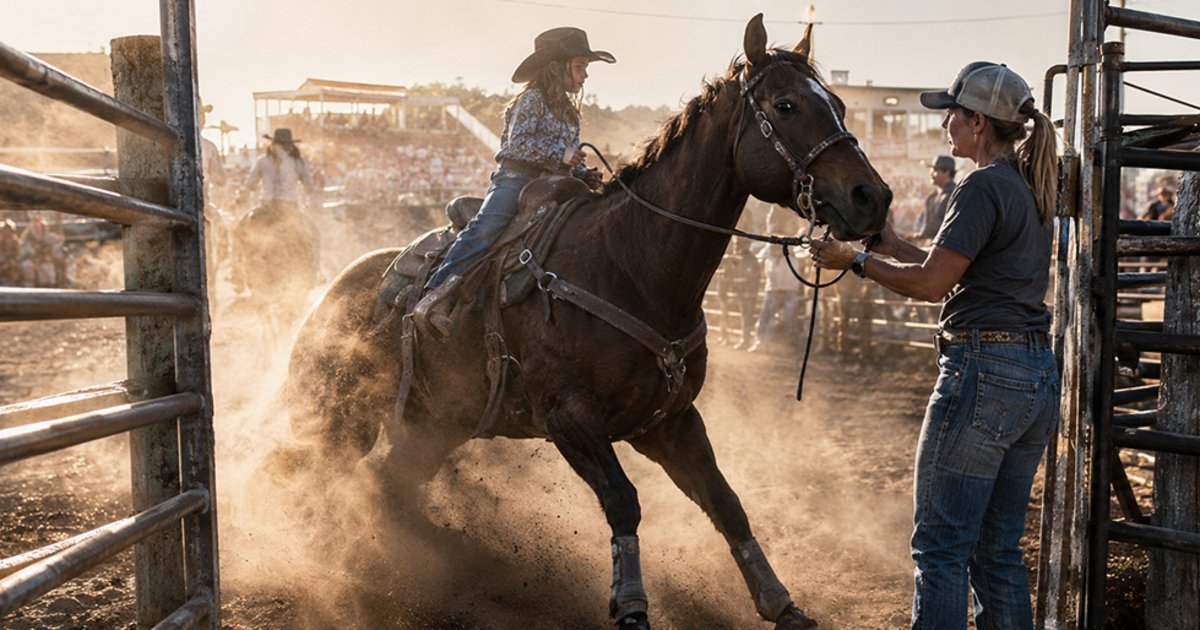
Okay, I’ll admit it, upon reading the title of this, I’m sure there were plenty of you scratching their heads and saying, “what in the world is he talking about”. Well, let me start by asking everybody if they have ever experienced the situation where you’re riding your horse and you ask him to turn, and he proceeds to bend his head and neck in that direction, but the rest of his body continues in the same direction, therefore, never actually turning.
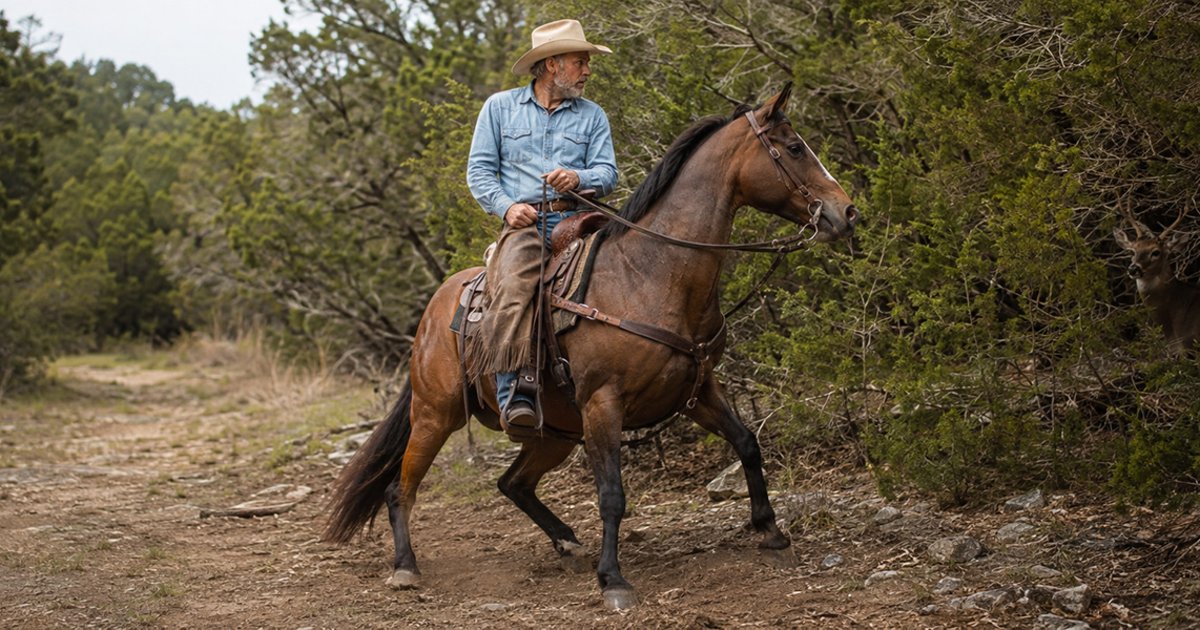
For those of you who have had to or are dealing with it, we need to ask what is happening when the horse does that. To answer that question, the front feet, or shoulder, simply did not respond to our cue, causing the horse to not change directions. The thing we need to remember is that our turns need to come from the front end, again shoulder, of the horse. That is where I get the term “shoulder reining” from, as I like to think of the shoulder responding when I ask the horse to turn as opposed to the neck
So how do we fix that?
Before I get into that, something you’ll need think about as you’re practicing is that we are going to imagine there is a clock on the ground. The clock would sit directly under the shoulders of the horse. Twelve o’clock would be facing forward, wherever the shoulders are pointing, and three o’clock would be facing directly to the side, with one and two appropriately spaced between twelve and three. Obviously, these numbers would lay to the right side, but for simplicity sake, we’ll pretend that these numbers lay to both the right and left.
Now, while riding our horses, we’ll start by picking up on one rein, right or left, just as we would when we’re asking the horse to turn any other time. Only this time, we want to wait until we see or feel the shoulder respond. This is the same as the feet responding. I like to focus on the front foot on the same side as I’m picking up on the rein, i.e. right rein = right front foot.
What I am looking for first is to have the foot step to towards one o’clock. I will repeat this process until every time I touch the rein, the horse steps onto that one o’clock direction consistently. After getting that, we will build to two and three o’clock by doing the same thing, only adding a little more pressure with the rein encouraging the horse to reach a little further to the side. Obviously, you will need to do these same steps for both sides of the horse.
Along with fixing a somewhat common problem when it comes to the steering of our horses, there are some other benefits we gain by building this sort of control. This would include being able to build different movements from various disciplines, such as, pivots, spins, and turn on the haunches, among others, depending on which style of riding you prefer. Good Luck as you build the communication with your partner, the horse.