

What is the Best Saddle Pad Blanket for your horse? More Saddle Pads Here
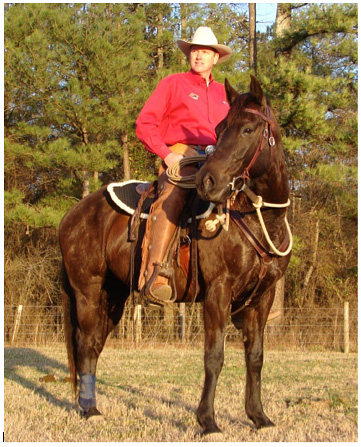
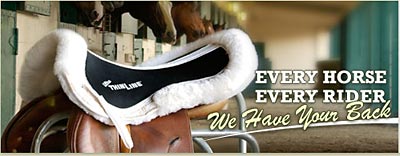
The best saddle pad solves three problems at once—moisture control, saddle fit, and shock absorption—without adding thick, unstable padding that pitches and rolls under the saddle in motion. A thin, breathable pad that absorbs impact rapidly, like ThinLine’s marathon-insole-inspired material paired with cotton, sheepskin, or felt, keeps the saddle stable and the rider softly connected. That combination is why the pads are endorsed by veterinarians, equine chiropractors, and equine massage therapists for horses with sore or sensitive backs.
Answer the question: Is your horse so much more comfortable in his back that he can perform better and happier? Article from ThinlineGlobal.
Riders purchase saddle pads to attempt to solve several problems at once: moisture control (breathability), saddle fit, and most importantly shock absorption resulting in a comfortable ride for both horse and rider.
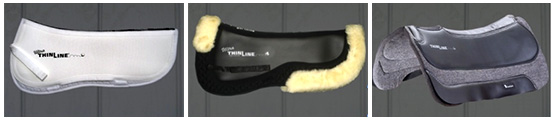
Unfortunately saddle pad sales are made in a static environment. The sales information in the store often has little to nothing to do with the dynamics of horses and riders in motion. A runner is like a horse in work. He wants just enough shock absorption to protect his joints, tendons, and muscles but not to skin into the footing or endure rebound and unpredicted movement. Imagine the horse stepping on a series of saddle pads.
-Memory Foam: His weight takes a movement to compress the foam then he bottoms out jarring on the hard surface. -Closed cell foam such as Neoprene: he moves onto it and it in turn spring is him into the air compromising balance (the trampoline effect). -Gel saddle pad: where he feels the track not at all, his foot shearing across it like a water bed.
We as riders are trying to stay softly connected to our horses.
Now imagine adding 2 inches of foam to the bottom of your saddle pad. The foam will give and pitch with every step. The saddle will roll front, back and left, right giving the horse such an unstable feel he will most likely vie up running in the search for safety. Unknowingly, this is what we do to our horses as we add thick layers of padding under our saddles. We create what is defined as pitch and yaw. But we have been doing it for a hundred years.
Think for a moment about marathon running shoe insoles. It is designed for athletes in motion. It is think, breathable and absorbs impact rapidly without cushion. It keeps the runners foot stable an he knows the feel of the next stop will be just like the last. He can move forward with strength and confidence. This is ThinLine. Finally consider saddle fit. Just like shoe fit you need to order a shoe size large enough to accommodate an insole.
The insole should distribute shock weight and heat. It should be no slip and no sheer to eliminate blistering or chafing. It should relieve pressure or high impact points. Very few insoles meet these requirements and only one saddle pad makes its way from the runner to the horse. About a decade ago a worker in a shoe insole company took home a piece of marathon running material and gave it to his wife, a rider.
The3 shoe insole company had developed a very low profile, breathable, shock absorbing, anti-fungal and anti-microbial insole. Oddly enough, the same features of an insole are also the same feature sought by riders in a saddle pad. Join the new age; try a ThinLine, your horse will thank you!
All ThinLine endorsements are unpaid and the chat room logs read like advertisements.
In 2005 ThinLine began designing new products. The shoe insole material answered 90% of the desires of the equestrian, except that it did not wick moisture so ThinLine, always ridden over another thin pad, was couple with cotton, sheepskin, and felt. Now there is a saddle pad that finally does what riders have been seeking for decades.
It solves every saddle pad requirement regardless of breed or discipline and has no drawbacks.
We are all searching for the same thing: -A pad that augments Saddle FIT (ThinLine is endorsed and vended by 95% of the UK master saddlers in the USA) -A pad that Breathes (ThinLine is ridden by the top endurance riders passing countless vet checks) -A pad that Stabilizes the rider position (something no other product has ever achieved and is there for endorse by spinal surgeons for riders with sore backs and endorsed by riding programs across the globe for helping riders to sit more quietly giving their horses the trust and confidence to work with their backs up.)
-A pad that Absorbs more shock than any other product on the market (it absorbs so much shock and equally distributes so much weight it is vended and endorsed by Veterinarians, equine chiropractors and equine massage therapists for horses with sore or sensitive backs.)
Even with unpaid endorsements from most of the Olympic show jumping and dressage teams the real testament to the product is the way it makes every horse move better and every rider sit better. At the end of the day we are all just looking for one thing: a saddle pad that both the horse and rider can feel creates a great difference in comfort and contact. A saddle pad that maximizes the communication between us and them and increases the comfort and confidence of both horse and rider.