

How to Fit a Bitless Sidepull Bridle
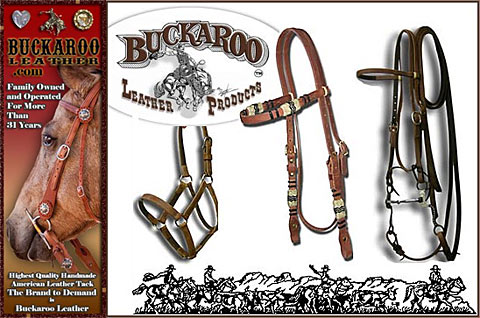
Article from Buckaroo Leather
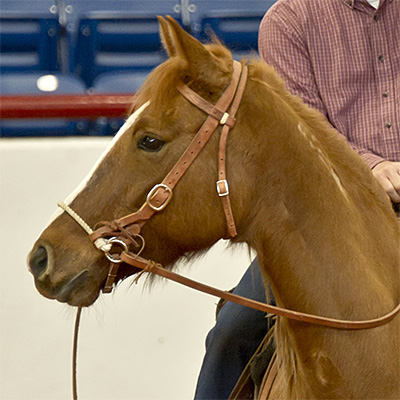
Fitting a sidepull comes down to three checks: the wide noseband must sit above the nasal passages—adjusted too low, it irritates the horse’s breathing—the jowl strap should land at or just below the cheek bone with room for two fingers underneath, and the chin strap is largely a matter of preference, with a looser strap letting the horse open and move its mouth more freely. Adjust the bridle out very wide to put it on, fit it to the individual horse’s facial conformation, and let the horse’s own signals tell you what still needs adjusting. A properly set jowl strap keeps the sidepull from shifting side to side when you pull on the reins.
To begin we want to have a willing horse. By walking up and offering the Sidepull and allowing your horse to willingly put their head into the bridle should help get the process started. It also creates an understanding and ease between horse and rider. Wait for the queues from horse to let you know they are ready to begin. What you want do once this is established is adjust the side pull out very wide to get the Sidepull on.
That way we can easily adjust once on the horse. You will want to ensure the wide nose band is not adjusted too low. This will cause irritation to your horses breathing and nasal passages. Once on and properly adjusted you want to understand the horse facial confirmation. Some horses can be very narrows, other may have more prominent cheek bones, and that will affect how we want to adjust the jowel strap. Make sure you set the horse to their individual confirmation. The jowl strap prevents the Sidepull from moving side to side when pulling on the reins, which can cause irritation as well.
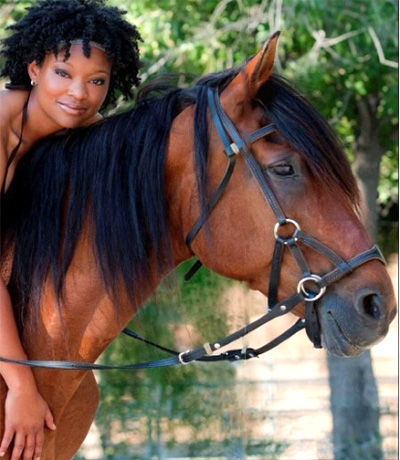
Adjustment will really depend on the individual horse, and using your best judgement. You want to make sure of a few things: Ensure the nose band is not putting pressure on the nasal passages, and ensure you can get 2 fingers under the jowel strap, which is probably the most important piece for stability. You want the jowl strap to fall just below or at the horses cheek. The chin strap is not vital to stability, and really lends more to preference.
The looser the chin strap the more freely the horse will be able to open and move their mouths.
The main concerns when adjusting your Sidepull are to ensure the noseband is not laying too low and properly adjusted above the nasal passages, that the jowel strap lands at or below the cheek bone and you can get two fingers underneath, and that you pay attention to the signs from your horse. They will tell you what needs to be adjusted and what may be irritating them. Once you have these steps down you are ready to ride!
We are proud to work with Justin Dunn of Justin Dunn Mustang Horsemanship to bring you his proven designed signature Sidepull Headstall. Made from the finest quality heavy weight Hermann Oak Harness leather or Black Latigo for a smooth, rich, "broke in" feel. Justin's own words- "The typical question from my clients is, "What bit should I use?" My response is "Why do you want a bit?"
I never put a horse in a bit, and none of my trail horses need bits. I prefer to be as natural as possible, and by doing that I have a better relationship with all of my horses. Horses properly taught to use the Sidepull will respond willingly to pressure, not forced to submit through pain. Horses are more relaxed, as tension will not build up in their mouth and transfer to their front legs. Horses are connected muscularly from the tongue to their front legs.
I will use my horses on extended pack trips for up to 10 days, with the sidepull and I never have issues with cold weather and metal bits, drinking, or eating. The horse enjoy the overall comfort of not having a bit in their mouths. Trade places with your horse, be a positive leader, and treat them with respect, put them in a sidepull and you will never regret it.

The Four Key things to look for in Quality Leather are:
1. Feel - Is the leather soft and supple? If it feels dry, probably not quality. Even though harness leather may seem roughed out it still has a soft and pliable feel??
2. Smell - Yes, it important to smell the Leather. Quality leather has fresh warm smell, whereas inferior leather can have a chemical or ammonia like smell. Off odors are the first hint of leathers tanned quickly and inexpensively.
3. Color - Even so, some Quality leather may be dyed it will still show the pliability and fresh smell noted above. Inferior leather seems to be dull. Dark color dyes can hide lower quality and poorly matched leathers.