

3-Spring Fence Projects You Can Plan Now
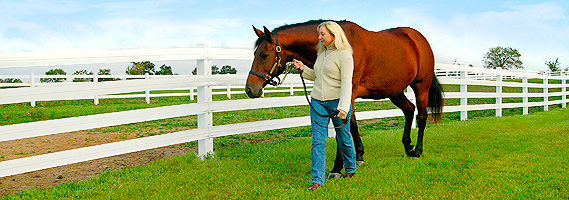
Winter is the ideal time to plan a spring fence project, so you’re ready to begin sinking posts as soon as the ground thaws. Three projects worth mapping out now: a portable grazing system built with UV-protected poly wire or electric twine on step-in posts, mare-and-foal fencing using High Impact Flex Fence® rails that flex up to 6 inches on impact, and replacing failing gates with 2-inch heavy-gauge tubular steel—6 feet wide for horse traffic and 10 to 12 feet for vehicles. In every case, plan for safety, durability, cost, and aesthetics, in that order.
by Karen Elizabeth Baril As farm owners, we’re expected to know what type of fencing we need for our unique situation. Paddocks or fields near busy roads, for instance, dictate secure and solid fencing; electric rope or tape is not enough.
Other considerations include gender (stallions versus mares and foals), age, and even temperament.
Winter is tough on farm owners . Between the snow drifts, ice underfoot, frozen water troughs, and howling winds we appreciate the spring thaw more than other folks do. Even so, winter isn’t all bad. My neighbor sees the cold-weather months as the perfect opportunity to design his garden. I think winter is the perfect time to plan a spring fence project. By the time the ground thaws, you’ll be ready to begin sinking posts.
Have Your Cake and Eat it Too Few of us can ignore the budget. It’s just a fact of life that we need to pay the bills and put food on the table, but horse fencing is no place to pinch pennies. Consider this, the courts are brimming with stories of loose horses that have caused automobile accidents, personal injury, and property damage. Judges want to know why the horses escaped and the first thing they look at is the suitability of the fencing.
What does that mean? Fencing’s most important role, of course, is to keep our horses safely contained in their paddock or field. As farm owners, we’re expected to know what type of fencing we need for our unique situation. Paddocks or fields near busy roads, for instance, dictate secure and solid fencing; electric rope or tape is not enough. Other considerations include gender (stallions versus mares and foals), age, and even temperament.
So, in the initial planning, think safety, durability, cost, and aesthetics; in that order. Speaking of aesthetics, you’re in luck. There are so many fence options available that you really can have your cake and eat it too. Best of all, it won’t break the bank.
Project 1:
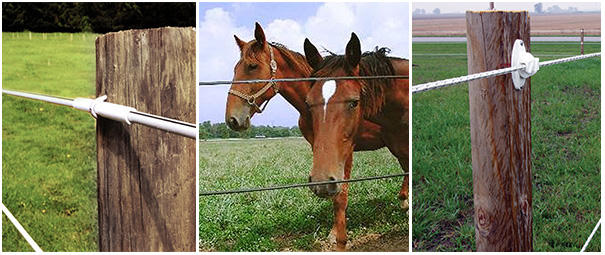
A portable grazing system allows your horses to enjoy their pasture for much longer into the season and possibly all season long. Yield depends on pasture health, climate, plant hardiness, and stocking rate. At minimum allow 1 to 2 acres of pasture per 1,000 pound horse.
Draw a rough sketch of your pasture or use one of the many landscaping software programs. Divide the pasture into several ‘cells’, each of which will sustain your herd for 4-7 days. Then let the cell rest for a minimum of 20-30 days. Sturdy electric fencing works well for this project. Very young horses may not be good candidates for portable fencing as a good spook can send them through it even if it’s kept hot.
Poly wire and electric twine are great options for portable fencing. They are both durable, easy to move, and economical to install. Be sure to choose a product that is UV protected and woven with stainless steel wire. Poly wire and electric twine can be used with step-in posts, making this a smart choice for portable fencing.
Project 2:
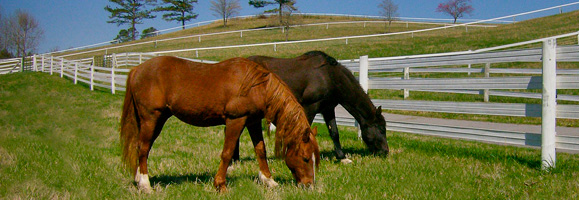
Mare and foal fencing must be sturdy enough to protect your little one from other horses, his own curiosity, and from rolling underneath the fence. If you have any doubt in your mind that a herd member could kick the foal, even in play, you’ll want to separate mare and foal until the foal matures.
One of the best choices for mares and foals is the High Impact Flex Fence®. Rails flex up to 6 inches on impact so even if the little guy runs into the fence, there is no risk of injury. He’ll literally bounce harmlessly off the rail. Plan on five rails for mare and foal fencing with no more than a 6 to 8-inch space at the bottom and then work your way up, gradually widening the space between rails.
The latest product in High Impact Flex Fencing® offers superior UV- protection, easy tensioning hardware, and the gorgeous look of wood and rail fencing without all the fuss and maintenance. This is truly my number one choice for all horses, but especially for mares and foals.
Project 3:
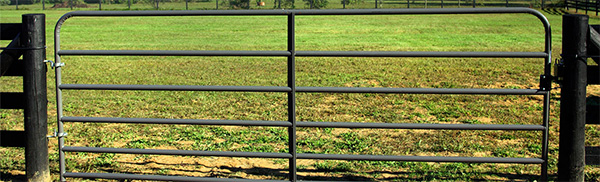
Fix the gates before they fail your horses. Gates can make or break your fence line. If you’re on a busy road or struggle to get individual horses out of the paddock consider installing a 24 x 24 foot catch area inside the gate. This makes it easy to remove just one horse without the fear of having other herd members push through you.
Gates that are sagging or otherwise failing are a hazard. Replace failing gates with 2-inch heavy gauge tubular steel, painted or galvanized with or without welded mesh. I love mesh gates because our Haflinger loves to ‘ring the dinner bell’ with his hoof. I worried he’d get a hoof caught in the gate. Mesh put an end to all that. Always choose a 14-gauge strength or better. Ditch the idea of the aluminum stock gates you find in most agricultural supply stores. They do not stand up to horse traffic.
Consider replacing gates that are too small (a common reason for failure) with gates that are suitable for the job. Plan on 6-foot wide gates for all horse traffic and 10 to 12 feet for vehicle traffic.