

Equine Gastric Ulcers: Prevention and Alternative to NSAIDS
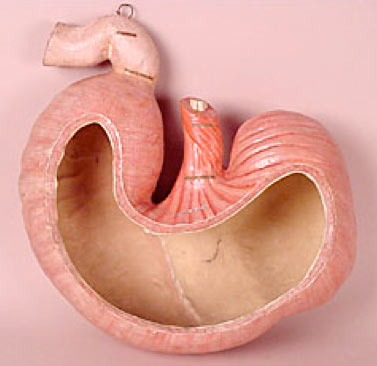
The most effective way to prevent gastric ulcers in horses is to keep forage in front of them—feeding long-stem hay at more frequent intervals so the stomach is never empty, since a horse’s stomach can empty completely after about 10 hours without feed. Reducing stress through added turnout time and social contact helps, and horses on an alfalfa-based diet appear to have a lower incidence of ulcers than those on grass hay. Because long-term NSAID use is itself a leading cause of ulcers, Omega-3 essential fatty acids from stabilized ground flaxseed offer a promising dietary alternative for managing inflammation.
Just like humans, horses can suffer from painful gastric ulcers which can lower their performance ability, and certainly their overall health and well being. Dr.
Kristina Hiney, PhD – Omega Fields® Equine Nutrition Advisor
Due to the horse’s unique physiology they may be even more susceptible to ulcers than other domestic animals. Symptoms of ulcers include decreased feed intake, lowered performance, a rough hair coat, laying down excessively or even grinding their teeth.
Its all about anatomy
When wondering why horses seem to be so prone to ulcers, it is important to really think about what their digestive anatomy is designed to do. In the stomach of the equine, there are two regions , a glandular region which secretes hydrochloric acid and digestive enzymes, and a non-glandular region in the upper or proximal part of the horse’s stomach. The mucosal cells of the horses glandular portion are well suited to protect against the acids that would normally be present in the horse’s stomach.
However, the cells in the non-glandular region are not as protective, and repeated exposure to digestive acids can result in creation of lesions in the stomach. Now normally, this is not a large problem for the grazing horse. When a horse is eating continually, they will be constantly producing saliva with buffers that serve to increase the pH in the horse’s stomach , and prevent any damage to the mucosa.
When horses are not eating, no saliva enters the stomach, and the pH begins to drop. This can occur within 5-6 post eating. If your horse remains without feed for 10 hours, his stomach will be completely empty, and the pH drops even lower. Foals are especially susceptible, and any foal that goes off feed due to illness may end up with a secondary problem of ulcers. If your foal is grinding their teeth or lying on their back, it may have developed ulcers.
Feeding Too Much Grain? There is an increase in ulcer prevalence in horses that are on high grain diets. This may actually be due to a combination of factors, but high concentrate feeding itself can be a culprit. When horse’s are fed concentrates, either in the form of pelleted or whole grains, the amount of time a horse will spend consuming that feed will be less than it would take to consume the same amount (on a weight basis) of long stem forage.
It simply takes less “chews” to eat a pound of grain vs a pound of hay. Less chews equal less saliva production as well as a longer interval between the next feeding (ie he finishes faster). In addition, concentrates themselves cause production of a different type of volatile fatty acid production in the stomach. While the hind gut was long considered the sole domain of fermenting bacteria in the equine, we now know that isn’t true.
Microbes do indeed exist in the stomach of the horse, and some types will flourish on a higher grain diet. These particular bacteria result in production of more acidic waste products, which further decrease your horse’s stomach pH.
What else could be wrong? As stated earlier, it may be incorrect to point the finger solely at feeding horses high amounts of concentrates. After all, what types of horses consume large amounts of concentrate? Hopefully only horses which need high amounts of calories. These are typically heavily working performance horses which need the grain in the diet to meet their caloric needs.
However, performance horses may share other commonalties. One, they are exercising more, which in itself may help contribute to the problem. When horses are galloping, the abdominal contents are essentially “squished” forward as the hind legs reach up under the horse prior to the forelegs reaching back forward. This forces the more acidic contents of the glandular portion of the horse’s stomach up into the less well-protected non-glandular region.
Secondly, performance horses are frequently stalled individually. It is simply a fact of the matter that these horses must be kept blemish free and protected from too much rough play with others. Some horses even have an aptitude to hurt themselves when playing on their own too vigorously. However, stalling can be a source of mental stress for horses, as it eliminates their natural tendency for continual movement throughout the day, as well as their foraging behavior. It also removes the horse from its natural desire to be a herd animal. Horses in the wild are never seen in isolation, unless they are sick or injured. Therefore, isolation can be extremely stressful for some horses.
Another leading cause of ulcers is the use of non-steroidal anti-inflammatory drugs or NSAIDS. These drugs block an enzyme necessary in the pathway that produces prostaglandins that cause inflammation. However, as these drugs are not specific for blocking production of only one type of prostaglandin, they also block formation of the prostaglandins which help maintain gastric mucosal integrity and are anti-inflammatory.
Therefore, long term use of NSAIDS can almost certainly cause ulcers in horses, and is typically avoided unless necessary. However, the rigors of training and exercise may cause these horses to be provided NSAIDS more frequently than horses in only light or recreational riding.
Even the career of a horse may be stressful. Racehorses have a much higher incidence of ulcers than other types of performance horses, but again this could be attributed to many factors: high concentrate diets, stalling, exercise etc. Even transport has been reported as ulcer inducing. In a group of thoroughbreds, transport for 6 hours was reported to increase the prevalence of lesions in the stomach, however this was not observed in western performance horses.
Perhaps the personality of the horse plays a large role. Is your horse a fretter and a worrier or one that could happily march through a parade without batting an eye? After all, ulcers are more common in humans with that type A personality versus more laidback people!
Prevention One of the easiest ways to control the incidence of ulcers in horses is to alter management strategies. Feeding horses at more frequent intervals, or providing meals of long stem forage at an amount to prevent an absence of feed availability is ideal. That may mean spreading out the feeding intervals to 12 hours or by providing your horse with a larger evening meal to last closer to breakfast.
Multiple meals per day would be very beneficial if one’s schedule allows. Also consider the type of feed used. Long stem forage will cause a horse to chew for a longer period of time, compared to pelleted rations. Horses that are on complete feed are especially more likely to be “out of feed” for a longer period of time unless the horse is a committed nibbler.
The stress level of the horse may be reduced, which may be easier said than done. After all, what is stressful for one individual may not be for another. Look for behavioral signs that let you know your horse needs more turnout time or more social contact. Try to reduce the stress of trailering by making sure your horse is trained to load easily and travel quietly. Make sure you are not a stressful driver either, taking corners too sharp or braking too suddenly!
There is also some limited research that suggests that the type of hay fed to horses may alter the incidence of ulcers. Horses on an alfalfa based diet relative to a grass hay diet appear to have lower incidence of ulcers. It is unknown whether this may be due to the protein or calcium content of the hay.
Alternative to NSAIDS -- Omega-3 Essential Fatty Acids
Much research in both humans and horses has been aimed at dietary interventions to prevent inflammation. The use of Omega-3 essential fatty acids (stabilized ground flaxseed is a rich, all -natural, plant source of Omega-3 essential fatty acids) has been repeatedly shown to decrease inflammation in humans, and has had some promising use in horses as well.
Addition of omega-3 fatty acids in the diet helps to block production of arachidonic acid, which is a producer of inflammatory thromboxanes, prostaglandins etc. Thus, use of adequate levels of Omega-3 fatty acids in the diet may lessen the need for use of NSAIDS as therapy in the performance horse. In addition, polyunsaturated fatty acids may be able to help protect against gastric ulcers.
In rats given dexamethasone to induce ulceration, a diet high in poly-unsaturated fatty acids helped to suppress ulcers and maintained the normal lipid bilayer in the gastric mucosa. Furthermore, addition of Omega3 fatty acids may lower the stress experienced by horses as measured by cortisol production (a hormone related to stress). In mares provided with an Omega 3 fatty acid source, cortisol levels were lower than controls following a period of stall confinement used to induce stress.
Thus, while not proven to be a direct preventative of ulcer formation in horses, there is much promising data to indicate the effectiveness of Omega-3 fatty acids as a dietary aid.
As an all-natural alternative to NSAIDS for your horses, try Omega Fields® ground, stabilized, whole flaxseed, the richest source and highest quality of Omega-3 fatty acids. The preferred supplements are Omega Horseshine® and Omega Grande® Complete . Omega Nibblers® has the most Omega-3 in any treat on the market (one half of the formula!). The selection is rounded out by Omega Antioxidant and Omega Stabilized Rice Bran .
For information on premium stabilized ground flax supplements that are rich in natural Omega-3 to help maintain a shiny healthy coat, strong solid hooves, and top performance – and for clear and concise labels – for horses in all life stages – please click on Horse Health Products .
Omega Fields® provides premium, stabilized ground flax products for equine, canine, feline, poultry, and human nutrition. Online-based consumer distribution includes OmegaFields.com and OmegaFieldsHealth.com .
Omega Fields’ mission is to offer the finest quality, most nutritious products at a fair price and provide outstanding customer service. We want our customers to have exceptional experience with our products, our staff, our websites, and our retailers. Order online 24/7/365 – OmegaFields.com or call toll-free – 1-877-663-4203.