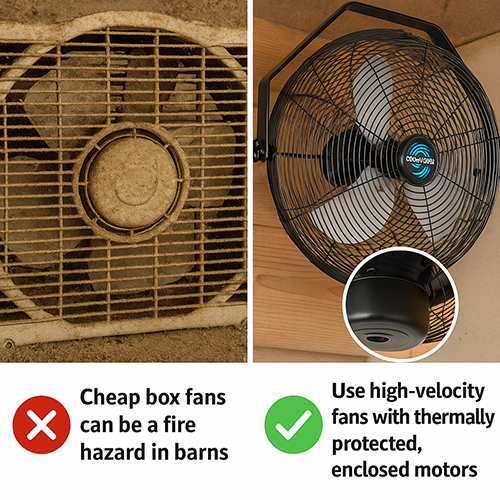
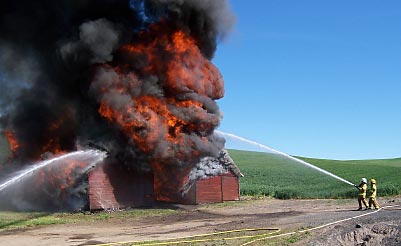
Preventing a barn fire starts with removing the most common ignition sources: fans not designed for dusty barn areas are the number one cause of barn fires in summer, so choose fans with closed motors, have a licensed electrician inspect wiring regularly, and never rely on extension cords as permanent wiring. Store hay dry—moisture content under 15%—and away from heat sources, enforce a zero-tolerance smoking policy, and keep aisles and exits clear. Back that up with fire extinguishers near exits, detection systems designed for agricultural environments, and a practiced evacuation plan with halters and leads readily available.
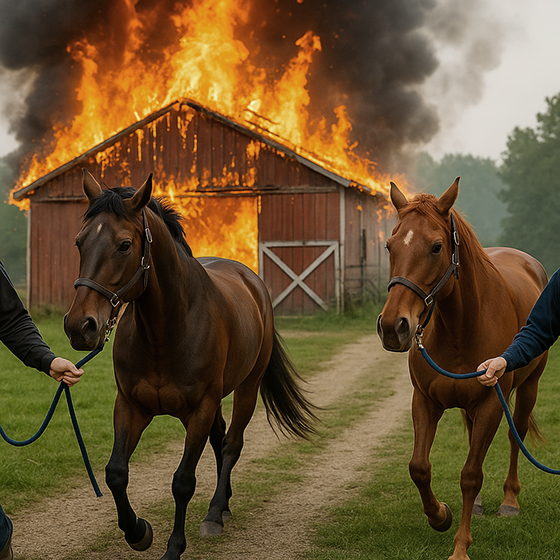
Few disasters are more devastating or terrifying than a barn fire. Within minutes, flames can consume an entire structure, putting horses, people, and property at serious risk. As caretakers of these magnificent animals, horse owners have a responsibility to understand the risks and implement proven strategies to reduce the chances of fire and improve emergency response.
Why Barn Fires Happen Barn fires can start for many reasons, but some of the most common causes include:
The number one reason for barn fires in Summer is barn fans and stall fans that are not designed for use in the dusty areas found in barns. Fans should have closed motors.
Over use and improper selection of extension cords.
Faulty wiring or electrical circuits that are over loaded. Have a Licensed Electrician inspect electrical panels and outlets for safety.
Overheated hay (spontaneous combustion)
Improper storage of flammable materials (e.g., gasoline, oil, aerosols)
Smoking near or inside barns.
Heaters or heat lamps too close to combustibles
Lightning strikes (particularly in rural areas)
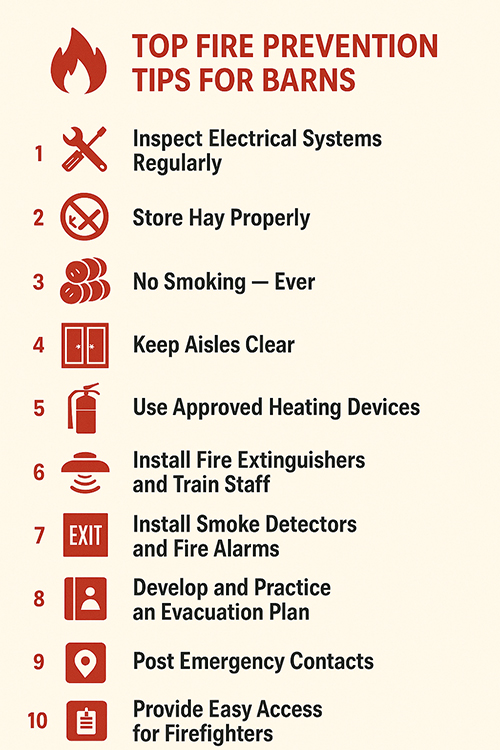
Top Fire Prevention Tips for Horse Barns and Horse Trailers
1 Inspect Electrical Systems Regularly Use a licensed electrician to inspect wiring, lighting, and appliances
2 Store Hay Properly Hay should be dry (moisture content under 15%) before baling
3. No Smoking — Ever Post clear No Smoking signs. Enforce a zero-tolerance smoking policy in and around all barns.
4 Keep Aisles Clear Don’t store equipment, feed bags, or tack in aisles
5 Use Approved Heating Devices Only use heaters designed for agricultural use, with automatic shut-offs and proper clearance
6 Install Fire Extinguishers and Trained Barn Staff including Horse Owners Place extinguishers near exits and key locations (e
7 Install Smoke Detectors and Fire Alarms Invest in fire detection systems designed for agricultural environments
8 Develop and Practice an Evacuation Plan Know how to get horses out quickly — halters and leads should be readily available
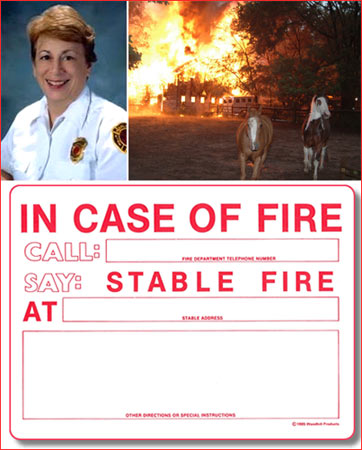
9. Post Emergency Contacts Include local fire department, veterinarian, and owner contact information. Display maps of the barn and grounds, showing exits, utility shutoffs, and water sources.
10 Provide Easy Access for Firefighters Ensure your address is visible from the road
After a Fire: Steps to Take If a fire does occur:
Call 911 immediately.
Do not enter the barn unless it is safe to do so. Account for all animals and people. Notify your vet and begin treating animals for smoke inhalation or burns. Contact your insurance provider as soon as possible.
Final Thoughts
Fire safety in horse barns is not optional — it’s essential. A few hours spent planning and maintaining your facilities can prevent unthinkable tragedy. Make fire safety part of your routine barn management and help ensure that your horses — and everyone who cares for them — stay safe.
💬Questions Readers Commonly Ask (FAQ)
What are the most common causes of barn fires?
Per the article: barn fires start from a small set of recurring causes, and almost all are preventable.
Barn fans not designed for dusty environments — the number one summer cause. Fans should have closed motors.
Faulty wiring or overloaded circuits — have a licensed electrician inspect electrical panels and outlets.
Improper or excessive use of extension cords.
Overheated hay (spontaneous combustion) from hay that was baled too damp.
Improper storage of flammable materials — gasoline, oil, aerosols.
Smoking in or near barns.
Heaters or heat lamps too close to combustibles.
Lightning strikes, particularly in rural areas.
Per the article: knowing the causes is the first step in implementing proven strategies to reduce the chances of fire and improve emergency response.
What should I actually do this week to make my barn safer from fire?
Per the article: ten habits cover most of the work. The high-leverage ones a horse owner can act on immediately.
Inspect electrical systems — licensed electrician checks wiring, lighting, appliances. Avoid extension cords as permanent wiring.
Store hay properly — under 15% moisture before baling, well-ventilated, ideally in a separate building.
Enforce no smoking, ever. Post signs, zero tolerance.
Keep aisles clear of equipment, feed bags, and tack — exits unobstructed.
Place fire extinguishers near exits (tack room, feed area) and train everyone to use them — PASS: Pull, Aim, Squeeze, Sweep.
Install smoke detectors and alarms designed for agricultural environments.
Develop and practice an evacuation plan with assigned roles.
Per the article: a few hours spent planning can prevent unthinkable tragedy.
How should I store hay to prevent spontaneous combustion?
Per the article: overheated hay is one of the most common barn-fire causes — and one of the most preventable. Hay baled with too much moisture continues to ferment in the stack, generating heat that can ignite spontaneously days or weeks after baling.
Three rules.
Hay must be dry before baling — under 15% moisture content.
Store in a separate building when possible. A hay-fire that starts 100 feet from the barn does not become a horse-fire.
If hay must be stored in the barn, keep it well-ventilated and away from heat sources — lights, heaters, electrical panels, anything warm.
Per the article: monitor stacked hay for the first few weeks after baling. Heat in the center of the stack — especially with a sharp tobacco-like smell — is a warning sign that demands immediate professional attention, not a wait-and-see.
Are extension cords and barn heaters safe to use in horse barns?
Per the article: only with strict rules. Extension cords and heaters are two of the most common ignition sources in barns, but the article isn’t a blanket prohibition — it’s a discipline statement.
Extension cords: avoid as permanent wiring. They’re acceptable for temporary use only, and only when properly rated for the load. Permanent power should run through inspected, conduit-protected wiring.
Heaters and heat lamps: use only heaters designed for agricultural use, with automatic shut-offs and proper clearance from combustibles. Per the article: never use open-flame heaters or homemade heating devices in barns. Install dust-proof, moisture-resistant covers on light fixtures so dust accumulation doesn’t become tinder. The pattern: purpose-built equipment with engineered safety features, used inside the manufacturer’s clearance specs — not consumer devices repurposed into a barn environment they were never designed for.
What should I do in the first minutes of a barn fire?
Per the article: if a fire occurs, the first-action sequence is short and ordered.
Call 911 immediately.
Do not enter the barn unless it is safe to do so. Smoke inhalation kills handlers as quickly as flames.
Account for all animals and people. Use the evacuation roles you assigned in advance — one person handles horses, one calls 911, one meets the fire department.
Notify your vet and begin treating animals for smoke inhalation or burns.
Contact your insurance provider as soon as possible.
Per the article: the work that determines whether the first minutes go well happens in advance — halters and leads readily available, exits practiced, fire department visits arranged. By the time the alarm sounds, the plan executes itself or it doesn’t. Make fire safety part of routine barn management, not a one-time setup.
📋
Recommended Products
Curated picks from across InfoHorse.com — most relevant first