

Remedies for Horse Lovers: A Different Approach to Equine Sarcoids & Common Ailments
It is necessary to equip yourself with as much information as possible in order to provide the optimal care for your horse Article from VeterinaryGrade.com .
Several common equine ailments respond to natural remedies: glucosamine and chondroitin supplements help reduce inflammation and support joint health, steaming or nebulizing with eucalyptus oil helps clear mucus and open the airways in respiratory illness, and quality honey added to feed brings antibacterial properties. For equine sarcoids—the most commonly diagnosed tumor in equids, representing 36% of all skin tumors in horses—topical options such as a bloodroot paste formulated with powdered bloodroot and zinc chloride can cause the growth to die and slough off while the skin heals. Always consult a licensed veterinarian before using any supplemental or topical treatment.
As a horse lover, you want your equine friends to be healthy and happy. However, equine health issues like joint disorders, respiratory illnesses and equine sarcoids can be challenging to manage. In this article, we will explore these common conditions and provide you with remedies to keep your horse healthy. All of the data presented is backed by reputable sources, such as scientific and veterinarian journals.
Joint Disorders: Causes and Home Remedies Joint disorders in horses can be caused by many factors, including: overuse, trauma and genetic dispositions. The most common joint disorder is osteoarthritis, which can lead to inflammation and pain (according to the Merck Veterinary Manual). To manage joint disorders, you can try home remedies such as glucosamine and chondroitin supplements.
These help to reduce inflammation and support joint health. Additionally, turmeric has anti-inflammatory properties and can be mixed with black pepper to improve absorption (as suggested by Horse Sport). Technical note: Bioperine is an active component found in black pepper. It increases absorption of nutrients, increases blood flow to the stomach, and acts as an anti-inflammatory itself. Proper nutrition and exercises are essential in reducing the risk of joint disorders in horses.
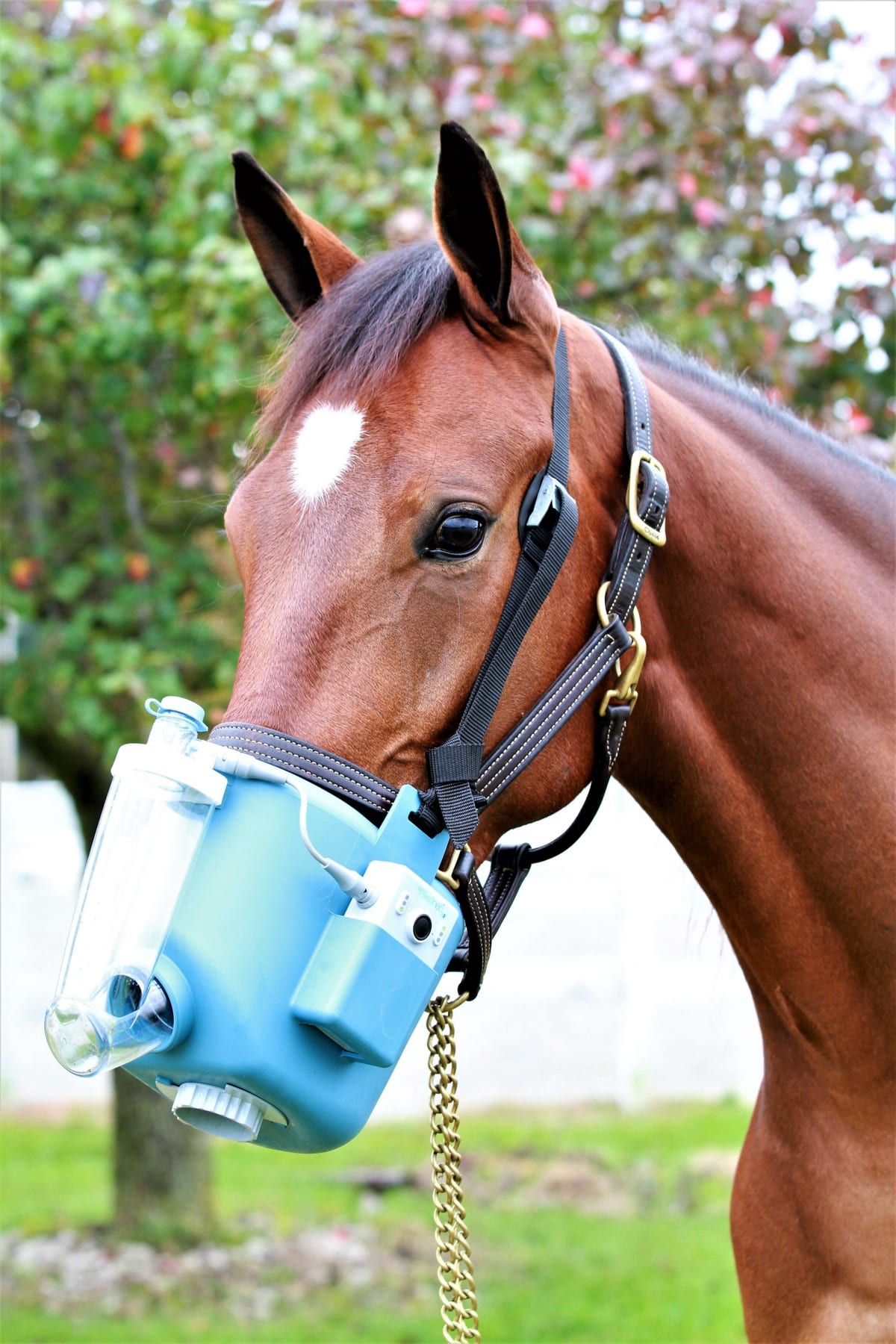
Respiratory Illnesses: Prevention and Treatment Much like humans, respiratory illnesses are common in horses and can be caused by viruses, allergens and environmental conditions. Common respiratory illnesses include: heaves, equine asthma and bronchitis. To prevent respiratory illnesses, you can use home remedies techniques, such as nebulizing with eucalyptus oil, which helps clear mucus and open airways (recommended by Horse Sport).
You can also add a quality honey to your horse's feed, as it has antibacterial properties that help fight respiratory infections. Fun fact: Sourcing wild honey from a local bee-keeper is an excellent way to derived a whole-source of honey and support your local community. If your horse develops a respiratory illness, home remedies like steaming with eucalyptus or peppermint oil can help relieve symptoms.
If symptoms persist, it is vital to speak to a licensed veterinarian.
Equine Sarcoids: Causes and Treatments
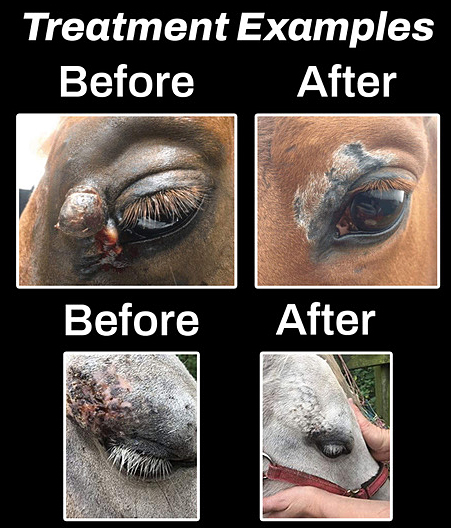
Equine sarcoids are the most common skin tumors found in horses, and while the cause is unknown, it is thought to be related to a viral infection. They tend to affect young and middle-aged horses, and some species more than others, but there is not enough research to validate this as a certainty. These unpleasant-looking growths are not known to spread internally, but externally on the animal’s skin. Sarcoid growths are commonly referred to as the condition “sarcoidosis.”
Sarcoids are the most commonly diagnosed tumor in equids, representing 20% of all neoplasms and 36% of all skin tumors in horses (as mentioned by Merck Veterinary Manual, as well as many other sources documenting scientific data on equine species). Note: the term “equids” refers to mammals of the family Equidae (taxonomic family), which includes: horses, asses (donkeys) and zebras.
Sarcoids can show-up as a single lesion, or multiple lesions in close proximity to each other. They can become a reoccurring issue if left untreated, or if the area is traumatized (impacted) where a growth has already initiated. They are most notably found on the animal’s chest, stomach, genital region, sheath, on the head (ears, eyes, mouth) and at sites of previous wounds.
Sarcoid growths come in a variety of shapes and sizes: from small, round lesions (appearing similar to warts), up to large, ulcerated (open wounds or sores) with fibrous growths.
Scientists and veterinarians, through clinical efforts, have recognized six (6) distinct varieties of sarcoids: ' Occult; ' Verrucose; ' Nodular; ' Fibroblastic; ' Malevolent; and ' Mixed.
Equine sarcoids may appear similar to other skin tumors or growths, for example: benign fibro-papillomas or exuberant granulation tissue (commonly known as “proud flesh”).
Although not life-threatening, these growths can spread aggressively, affect the animal’s value, be very costly to treat and cause continual discomfort for the animal. More traditional methods of treatment are: 'Surgical removal; 'Laser therapy; 'Radiation therapy; and 'Chemotherapeutic medications (pharmaceuticals).
Surgical and chemotherapeutical approaches can be quite costly and have varying degrees of success. Some approximations cite an approximate 50% success rate. The recovery time of your horse may also be lengthy, ranging from several weeks to several months depending on the circumstances.
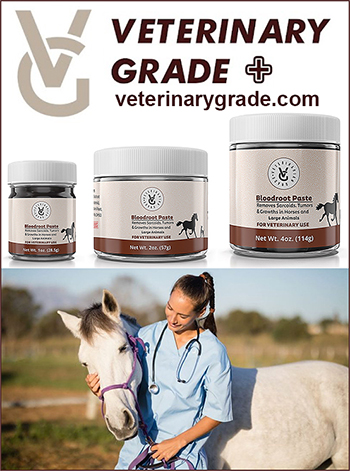
Some home remedies for sarcoids include: applying tea tree oil or aloe vera gel, which have anti-inflammatory and anti-tumor properties, as well as “calming” capabilities for the skin. Another option is to utilize a topical agent, such as Bloodroot Paste. This mixture varies in formulation and utilizes the primary active components of bloodroot (powderized) and zinc chloride. The aim with a topical treatment is to attack the growth, causing it to ‘die’.
It targets the growth and assists the animal’s immune system to better handle the malady. A successful treatment will result in the growth beginning to slough off (dry up, flake off much like scabs do) and with the skin (and coat) being allowed to heal.
Although derived from powerful, natural ingredients, care and caution must be exercised during treatment; this topical agent is very effective and healthy tissue must be protected. Applying the paste precisely is a requirement, not just a recommendation. You do not want to harm healthy tissue. It is also important to note that some growths may be too large, or too old (having been with the animal for too long of a time) to be treated topically. Consult your licensed veterinarian or animal care-giver to ensure proper treatment protocols are followed.
Something that many animal-owners overlook is that, conditions such as sarcoidosis, can signify that your horse’s immune system is not functioning in an optimal state. When the body and its system of protection is vulnerable, health issues may persist if the underlying cause is left un-addressed. With this information in-hand, you can take steps, such as adjusting your animal’s feed to include supplementation, to render a better functioning immune system. Remember, one of the largest organs of any animal (and human) is the skin. When the natural state of the skin is healthy, it can be a great indicator of overall health. Health is a daily habit (practice), not just a one-time deal.
Final Thoughts & Information About Veterinary Grade
As a horse lover, you can make use of these home remedies to manage some joint disorders, respiratory conditions and equine sarcoids. It is necessary to equip yourself with as much information as possible in order to provide the optimal care for your horse and livestock. There are natural remedies that can be leveraged, to mitigate the need for traditional surgical intervention. Although not always possible, with the proper attention and care, many common ailments can be avoided or improved by exercising proper nutrition and exercise, as well as practices that provide an ideal environment for your animal.
Our company, Veterinary Grade, focuses on natural, or homeopathic approaches to ailments that affect horses, livestock and pets.
One of our flagship products is our custom Bloodroot Paste formula, which makes use of herbal ingredients that have been utilized for hundreds of years. You may find this product at https://vet-grade .com/product/veterinary-grade-bloodroot-paste/.
We continue to pursue reliable, alternative solutions to common problems that animal and pet owners face. Our success is your success! It’s time that we get back to natural solutions. Without farmers, ranchers and homesteaders like you, our company’s evolution ceases to continue.
We always recommend that you consult with your licensed vet, or animal care-giver, prior to making use of any supplemental or topical treatment. Thank you for taking the time to deepen your understanding of sarcoidosis. Our website is VeterinaryGrade.com .