

How to Buy the Right Horse: Expert Horse Buying Guide & Checklist (2025/2026 Update)
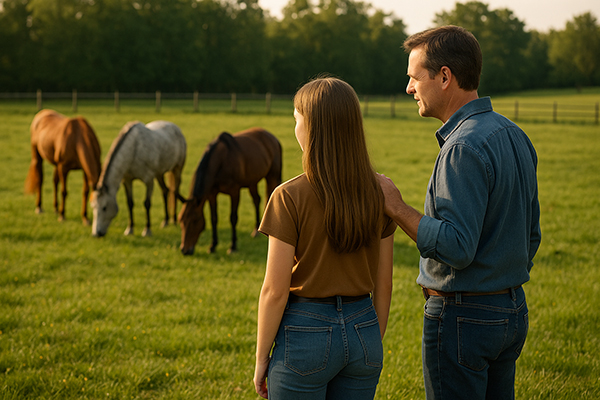
To choose the right horse, define your purpose, budget, and experience level before you start looking, then build a team of experts to guide the purchase. Evaluate every prospect on three essentials—soundness, training, and temperament—watch the seller ride first, and never skip a veterinary pre-purchase exam, which can detect hidden issues that may cost you later. A calm, well-trained horse builds confidence faster than an untrained project, and the right horse is worth waiting for.
Buying a horse is one of the most exciting and rewarding experiences a horse lover can have but it’s also a major responsibility.
Whether you’re a first-time owner or looking for your next partner, finding the right horse for your ability, goals, and lifestyle is key.
This guide gives you expert insight and a horse buying checklist to help ensure your purchase is a success from the very first ride.
1. Start with Planning: Define Your Goals & Budget Before you even start looking at horses, take time to plan.
- Purpose: Are you buying for trail riding, show competition, breeding, or pleasure?
- Experience level: Be realistic about your riding skills. A calm, well-trained horse builds confidence faster than an untrained project.
- Budget: Include the cost of purchase plus long-term care - feed, vet, farrier, boarding, and training.
- Timeframe: Don’t rush. The right horse is worth waiting for.
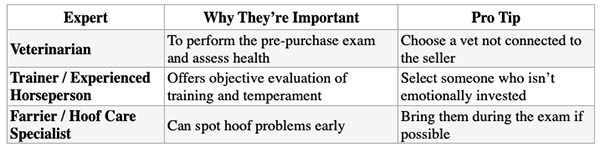
2. Build Your Team of Experts You’ll make a much smarter purchase if you surround yourself with the right people:
3 Focus on the Three Essentials: Soundness, Training & Temperament
Soundness
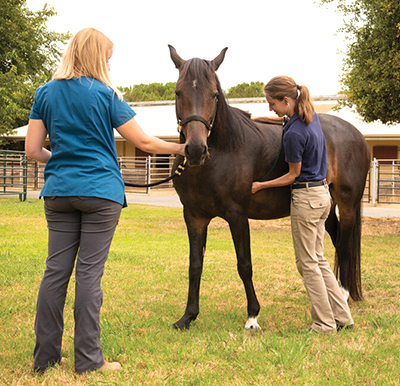
A sound horse is a safe investment.
Watch for:
- Even, fluid movement at all gaits
- Healthy feet with balanced angles and a strong frog
- No signs of lameness, stiffness, or chronic soreness
- Clean eyes, coat, and overall alertness
Training The best first horse is one that’s already trained and confident. Horse should:
- Stand quietly for grooming, farrier, and vet care.
- Respond softly to rein and leg cues.
Move off willingly and transition smoothly.
Temperament
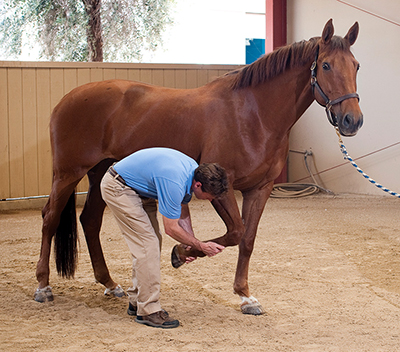
A horse’s mind is just as important as its body.
Ask yourself:
- Is the horse calm when handled and under saddle?
- Does it respect space or crowd you?
- How does it respond to pressure or new environments?
- Can you handle the hors’s feet easily?
4 Fit & Function: The Right Match for You
Size: Choose a horse you can comfortably mount and control.
Age: Younger horses often require experienced riders; older, trained horses make safer partners.
Breed & type: Gaited, stock, or sport breeds each have unique strengths - match them to your goals.
Discipline: Trail, arena, western, or English - pick the type that suits where and how you ride.
5 The Pre-Purchase Exam & Trial Period
Even when you think you’ve found the one, never skip a veterinary pre-purchase exam.
A qualified equine vet will evaluate lameness, soundness, and general health, and can detect hidden issues that may cost you later. Ask for X-rays or diagnostics if the horse will be used for competition or intensive riding.
- Works quietly for both seller and buyer
Watch the Seller Ride First
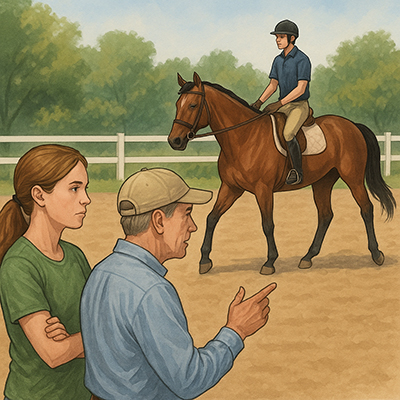
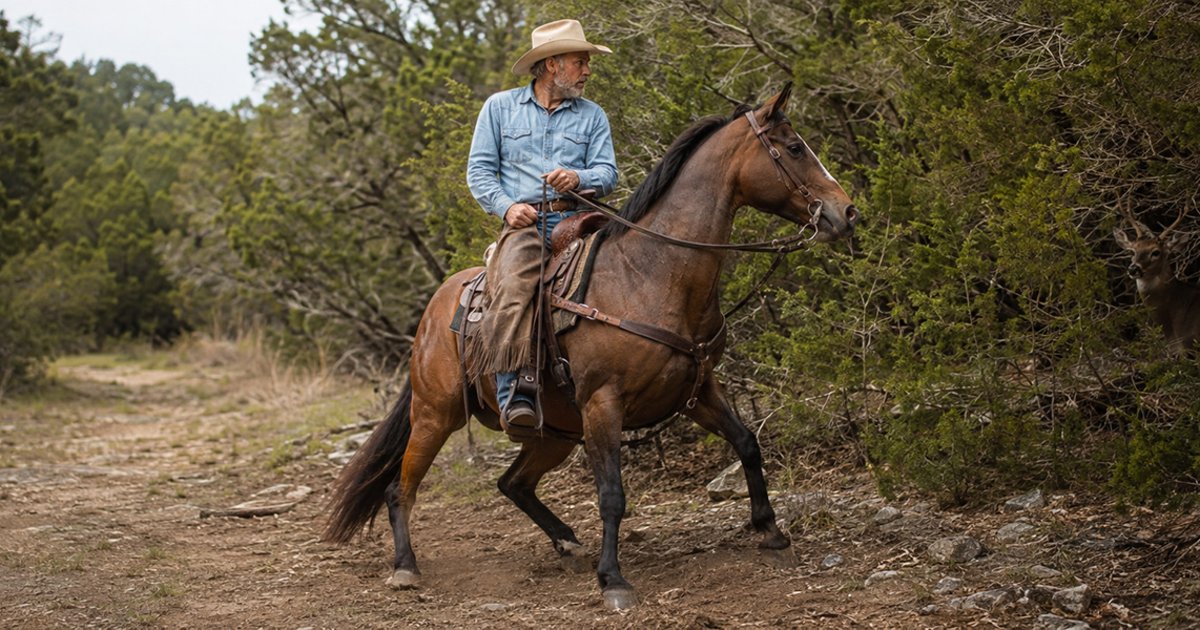
Before mounting a prospective horse, it’s essential to watch the seller ride first. This gives you an honest picture of how the horse behaves under saddle and how responsive it is to cues.
Bring a knowledgeable trainer or experienced horse-person with you, someone who can help you evaluate the horse’s true level of training, attitude, and soundness. Observe how the horse transitions between gaits, accepts the bit, and responds to pressure. Notice any stiffness, resistance, or signs of discomfort.
Many issues that aren’t visible on the ground; like a tendency to buck, rear, or refuse to stop can appear when the horse is ridden. Let your expert help interpret what you’re seeing so you can decide with confidence whether this horse is truly the right match for your needs and abilities.
If possible, arrange a trial ride under the same conditions you’ll use the horse in - trail, arena, or show setting. How the horse behaves away from its home barn often reveals its true personality.
6. Red Flags You Shouldn’t Ignore Watch for warning signs such as:
- Needing to be lunged before every ride.
- Overuse of harsh bits or training aids.
Noticeable stiffness or uneven gait.
History of cribbing, weaving, or bolting.
A seller who won’t allow a vet exam or outside opinion.
If something feels off - walk away. The wrong horse can quickly become an expensive or dangerous mistake.
7. Your Horse Buying Checklist Looks / Fit
- Height and weight suitable for rider.
- Age, breed, discipline
- Temperament and personality
- Clean veterinary history
- Healthy hooves and legs
- No chronic conditions or lameness
- Current vaccinations and deworming
- Smooth transitions under saddle
- Stands tied, loads easily
Temperament / Rideability
- Calm, consistent, confident attitude
Why is the horse being sold?
Has it been regularly ridden or left idle?
Are you comfortable and happy with this horse?
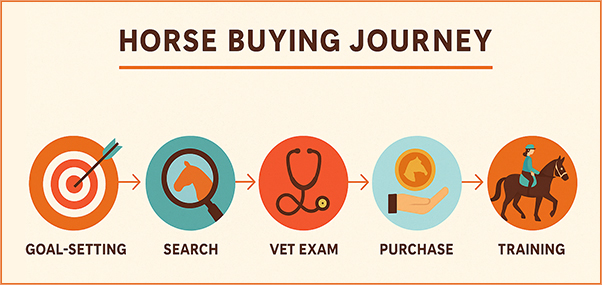
8 After the Purchase: Building a Partnership The real journey begins once your horse comes home
Final Word
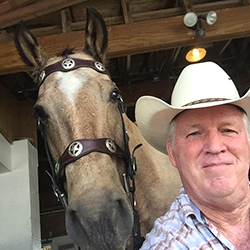
Buying a horse isn’t just a transaction - it’s the start of a lifelong partnership built on respect, understanding, and care.
Take your time, trust your instincts, and lean on experienced professionals who truly want the best outcome for you and the horse. The right horse will not only meet your goals, but will bring out the very best in you as a rider and caretaker.
Remember, every successful horse purchase begins with preparation, patience, and heart. With these steps and your new knowledge, you’re ready to find a horse that fits your dreams and your life - perfectly. Article by Robert SM Pruitt CEO InfoHorse.com
InfoHorse.com - Horse Information Lives Here® Contact Ann to advertise your horse product or service to over a million horse owners nationwide.