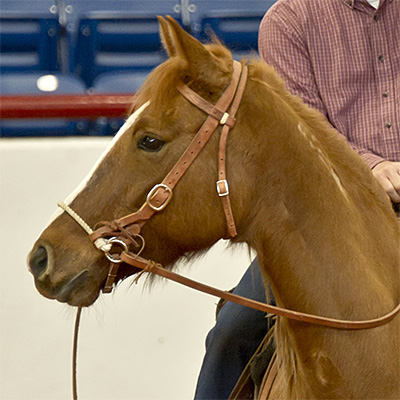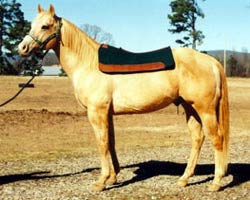


A saddle fits when it settles into its natural resting place behind the shoulder blade and passes five hands-on checks: two to three fingers of clearance between pommel and withers with the rider mounted; smooth, even panel or bar contact with no bridging or rocking; a gullet that clears the spine completely so weight rides on muscle, never bone; a level balance point that seats the rider in the middle of the saddle; and tree points that stay behind the shoulder blade so it can rotate freely with each stride. Telltale signs of poor fit include dry spots under a wet pad, girthiness, and a shortened stride that improves bareback.
Walk down any barn aisle and ask what saddle someone rides in, and you'll get a brand name in seconds. Ask whether that saddle actually fits the horse, and the conversation gets quieter. Saddle fit is the piece of tack knowledge that separates comfortable, forward horses from sore, reluctant ones — and it's a skill every horse owner can learn. This guide walks through how a saddle should sit on your horse, the warning signs of a poor fit, and how to think about pads, custom makers, and rechecks as your horse changes.
Why Does Saddle Fit Matter So Much?
A saddle is the bridge between two moving bodies. When it fits, weight spreads evenly across the muscles that are built to carry it, and the horse can lift his back, reach with his shoulders, and work in balance. When it doesn't fit, pressure concentrates into small points — and horses tell us about it the only way they can: with tension, resistance, and eventually soreness.
Fit problems rarely announce themselves as dramatic lameness. They show up as the horse who won't stand at the mounting block, the mare who pins her ears at the girth, the gelding who feels "cold-backed" for the first ten minutes. Riders often spend months troubleshooting training problems that are actually tack problems.
A horse can only move as well as his saddle allows him to.
How Can I Tell If My Saddle Fits My Horse?
Set the saddle on your horse's bare back — no pad — a touch forward of where it belongs, then slide it back until it settles into its natural resting place behind the shoulder blade. From there, work through five checks:
Wither clearance.
You want roughly two to three fingers of space between the underside of the pommel and the top of the withers, with the rider mounted. Less than that and the saddle can press on the withers; a great deal more may mean the tree is too narrow and perching the saddle high.
Even panel or bar contact.
Run your hand under the panels (English) or bars (Western) from front to back. You're feeling for smooth, even contact — no bridging (contact at front and back with a gap in the middle) and no rocking (a pivot point in the center).
A clear channel.
The gullet must clear the spine completely, front to back — you should see daylight through the channel. The saddle carries weight on muscle, never on bone.
Balance point.
The deepest part of the seat should sit level, so the rider rests in the middle of the saddle rather than being tipped toward the pommel or cantle.
Shoulder freedom.
The tree points (English) or bar tips (Western) should sit behind the shoulder blade, leaving it free to rotate back as the horse strides. Have someone lead your horse forward a few steps while your hand rests at the front edge — you can feel whether the shoulder is hitting the tree.
What Are the Signs of a Poorly Fitting Saddle?
Horses are honest. The signs of saddle trouble fall into three groups:
Behavior under saddle: girthiness, ear pinning or teeth grinding while being tacked, hollowing the back when mounted, reluctance to move forward, trouble picking up or holding a lead, and a shortened, choppy stride that improves bareback or on the longe.
Signs on the horse: uneven sweat marks after work — especially dry spots under the panels, which mean pressure high enough to shut off sweat; ruffled or rubbed patches of hair; muscle soreness when you run your fingers along the back; and over time, hollows behind the withers or white hairs, which record a history of pressure damage.
Signs on the saddle: uneven flocking or panel wear, a gullet that visibly angles to one side, or a saddle that consistently slides forward, back, or sideways no matter how carefully it's placed.
Dry spots under a wet pad are the back's way of drawing you a pressure map.
How Should a Saddle Fit the Rider?
The horse comes first, but a saddle that fits the horse and not the rider still spoils the ride. In an English saddle, you want about a hand's width between your body and the pommel and again to the cantle, with your knee resting near the front edge of the flap. In a Western saddle, the seat should let you sit in its pocket with a couple of fingers of room ahead of your thigh at the swell. A rider fighting a too-small or too-large seat sits crooked — and the horse feels every ounce of that crookedness.
Western and English Saddles — What's Different About Fit?
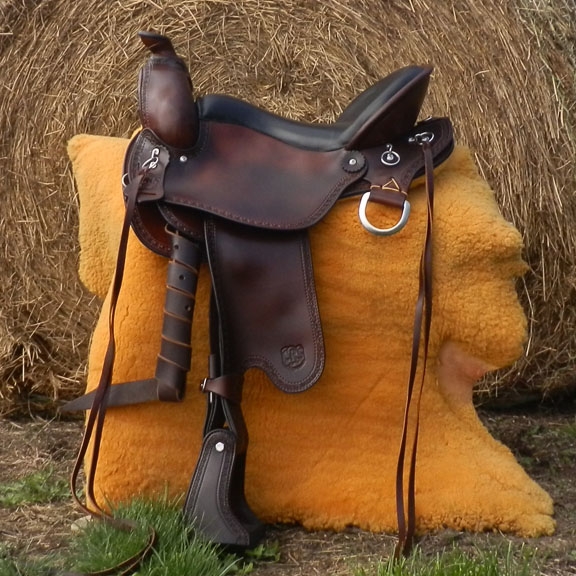
The principles are identical; the anatomy of the saddle differs. English trees fit primarily through tree-point width and panel shape, and flocked panels can be adjusted by a fitter. Western trees fit through bar spread, bar angle, and rock — the amount of curve along the bar's length — and are not adjustable, which makes choosing the right tree at the start even more important. Western fit also leans more on the pad or blanket as part of the system, but the golden rules hold in both worlds: clear the spine, load the muscle evenly, and free the shoulder.
Can a Saddle Pad Fix a Fit Problem?
A good pad is a shock absorber and a fine-tuning tool — not a repair kit. Shimmed or correction pads can genuinely help a saddle that is close: filling in behind the withers on a horse that has lost topline, or leveling a saddle that sits slightly low in front. But stacking thick pads under a too-narrow tree makes the tree effectively narrower, the way a thick sock makes a tight boot tighter.
Where pads shine is comfort and protection within a correct fit. Purpose-built designs — like the pressure-distributing pads from EquiPedic or the traditional woven and felt pads from Mayatex and CSI Saddlepads — are designed to spread load and manage heat, and riders feel the difference on long days. Use the pad to perfect a good fit, never to disguise a bad one.
How Do Custom and Maker-Built Saddles Change the Game?
Production saddles fit the average horse — and plenty of horses are wonderfully average. But mutton-withered horses, broad gaited horses, mules, and hard-working ranch horses often live outside the averages, and that's where the maker-built saddle earns its price. A working saddler starts from your horse's measurements — often from wither tracings or a fitting form — and builds the tree and rigging around the actual animal.
InfoHorse.com has been connecting riders with trusted saddle makers for decades, and several of the names our readers search for most are exactly this kind of builder: McCall Saddle Co. hand-builds working Western saddles in the buckaroo tradition; Allegany Mountain Saddle Craft builds custom saddles matched to horse and rider, with accessories made to match; Crest Ridge Saddlery specializes in fitting gaited horses, stock horses, and mules — the very horses production trees struggle with; and Alamo Saddlery pairs working function with hand-tooled artistry.
Talking to a maker costs nothing, and a good one will tell you honestly whether your horse needs custom or just needs the right off-the-rack tree.
How Often Should Saddle Fit Be Rechecked?
A saddle fitting is a snapshot, not a certificate. Horses change shape with age, season, workload, and feed — a four-year-old filling out, a senior losing topline, a pasture horse coming back into work. A sensible rhythm is to re-run the five hands-on checks a few times a year and any time the horse's condition visibly changes, and to have flocked English panels professionally checked and adjusted periodically. If the sweat pattern that used to be even suddenly isn't, that's your recheck notice.
Ready to Find a Saddle That Truly Fits?
Start with the five checks on your own horse this week — bare back, no pad, honest hands. If what you find raises questions, browse the saddle makers, fitters, and pad specialists in our Horse Tack directory — every listing is a real business personally reviewed by Ann Pruitt, and the makers there have been fitting real horses for decades. Your horse already knows whether his saddle fits. This is how you find out too.