

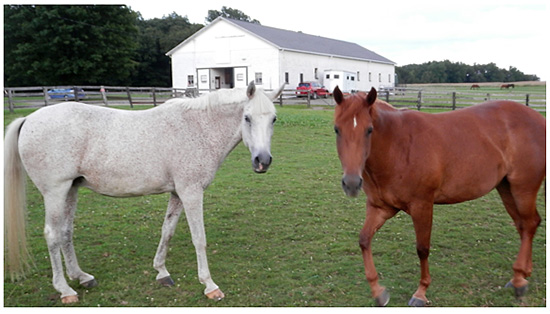
Choosing the right horse for you is a process, but you shouldn’t make yourself feel pressured or hurried. Article from Evon Montgomery
Picking the right horse starts with a clear goal for what you want to do together, then matching the horse’s experience and personality to your own skill and confidence level—a beginner does best with a calm, steady horse rather than a green youngster. Bring your trainer or a horse-savvy friend along for a second opinion, think through where you’ll keep the horse, and be sure you’re prepared for the financial commitment before you buy. Finding the right match is a process, so don’t let yourself feel pressured or hurried.
One of the most common questions that people ask me when taking lessons or one of my classes is, “How do I pick the right horse for me?” Whether you’re a first-time horse owner or are simply looking for a new equine friend, bringing home a new horse can be an exciting and even overwhelming experience. To help you find the best fit for you and make the horse-buying process as smooth and simple as possible, keep these five tips in mind when you set out on your search.
1 Have a Goal in Mind
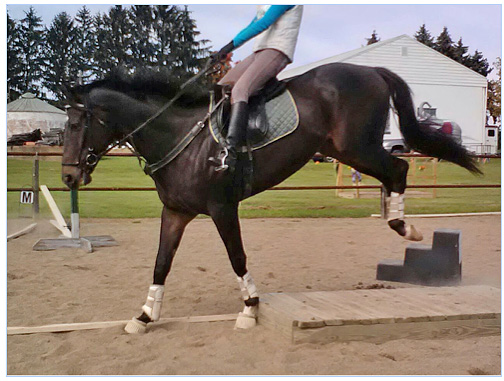
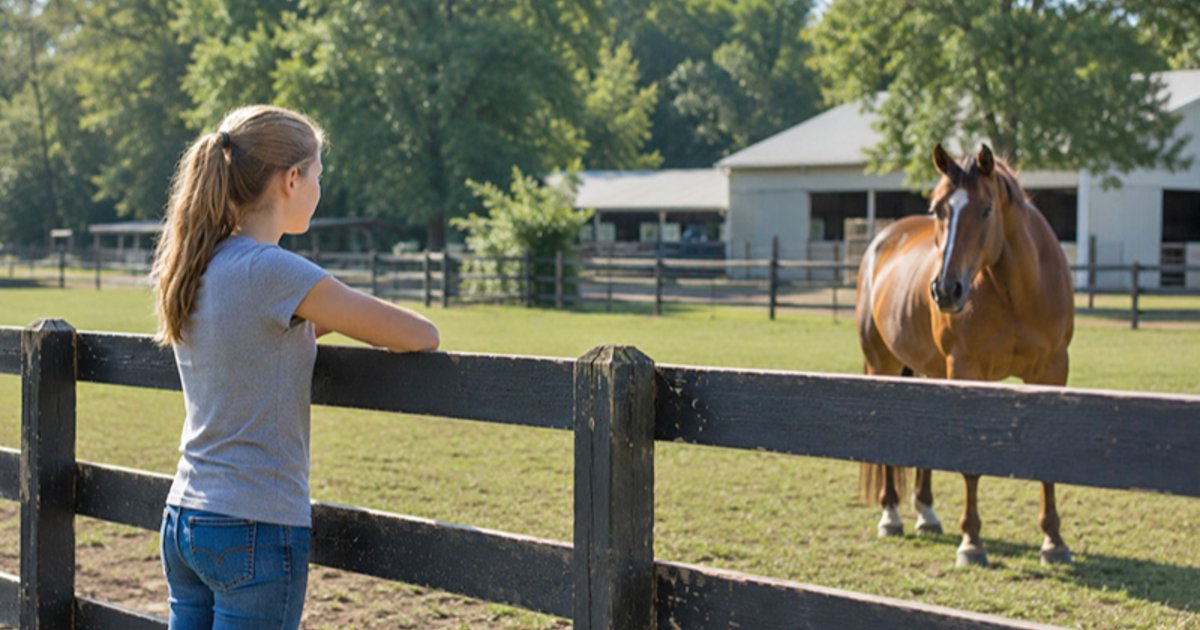
The best piece of advice that I can give you is to have a clear goal in mind for what you’d like to do with your horse. Even though you might be immediately drawn to the first horse that you go to see, you don’t want to base your decision purely off of looks and an instant infatuation.
For example, if you plan on jumping with your horse, you wouldn’t want to get a 14-hand cow pony for that job. On the other hand, if you want to rein, a big dressage horse wouldn’t be the best fit, either.
Another factor to take into account is your skill and confidence level as a rider. If you’re just starting out, you certainly don’t want to get a two-year-old horse who’s never had a saddle on him. Instead, choose an experienced, steady horse who can help you to continue to learn and build up your confidence.
If you can’t or don’t want to ride your horse and instead are simply looking for a pasture pet, you will have a broader range of horses that could work. Keep in mind, though, that some horses do best when they have a job to do, so this is something you’ll have to factor into your decision when choosing a horse. You might go for an older, calm horse who’s perfectly content hanging out in your pasture and getting lots of attention instead of an off-the-track Thoroughbred who’s looking for his next job. Remember, there are two many nice horses out there to keep one that doesn’t suit either you or your goal!
2 Do Your Research Once you know your goals, do a little research to learn more about what type of horse might work best for your situation
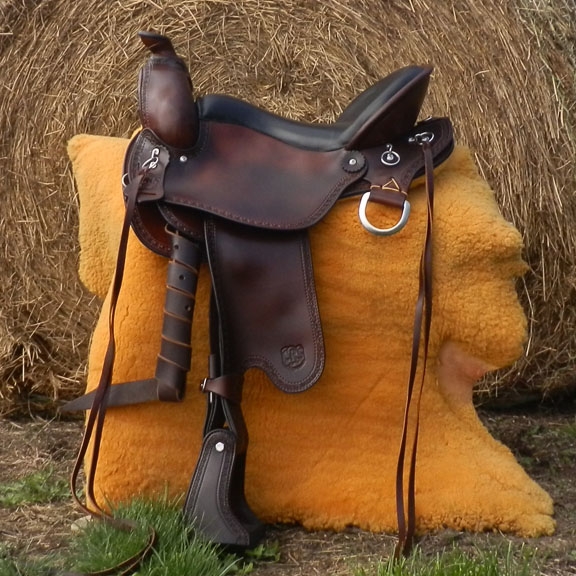
You’ll also want to look into what kinds of tack and other specific items you’ll need for your particular discipline. If you’re new to Western riding and have all English tack, for instance, find out what tack and other supplies you’ll need to buy for your new horse.
3 Match Your Personality
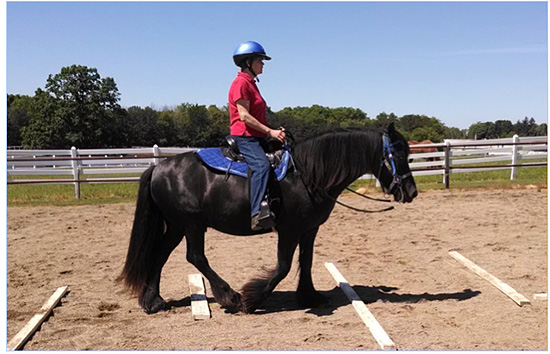
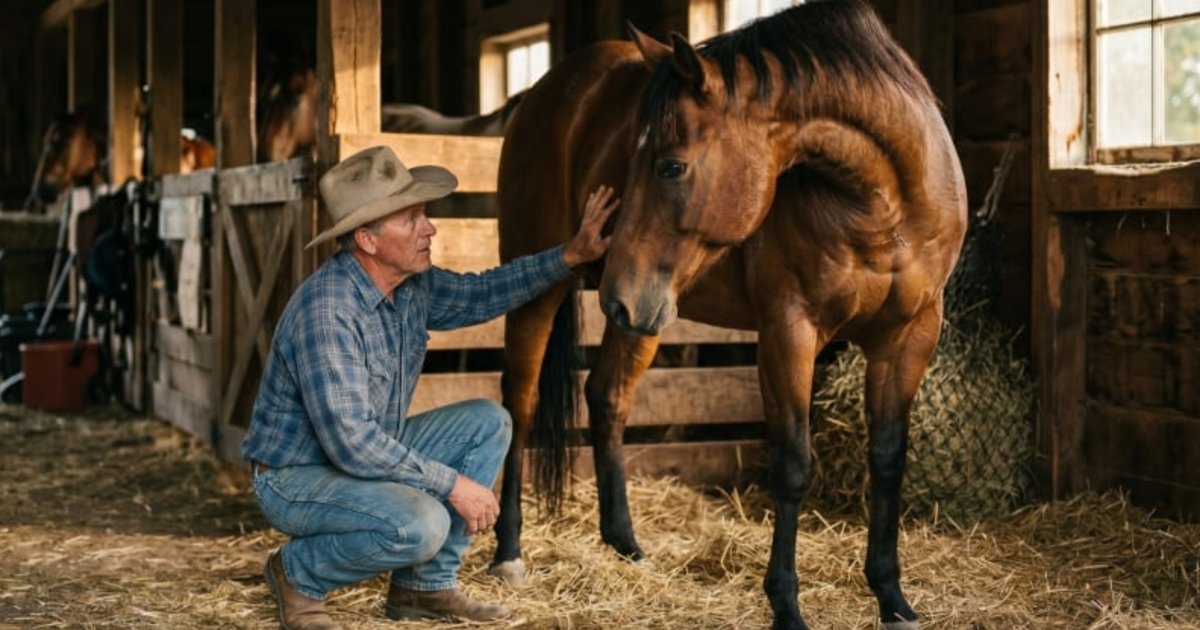
Another important consideration when picking a horse is whether or not his personality seems to be a good match for yours. Beginner or timid riders will do better with a calm, easy-going type of horse, rather than a very forward or vocal horse. You should be able to get a good sense of a horse’s personality by reading his body language when you go to meet him. For example , a lowered head, relaxed ears, and a droopy chin are signs that a horse is calm and relaxed. A horse with both ears pinned back and an intensely swishing tail, on the other hand, is irritated or angry.
4 Think about Where You’ll Keep Your Horse
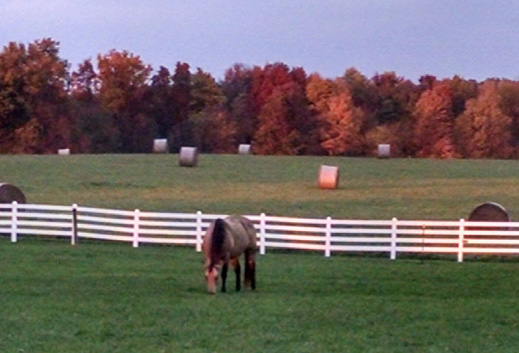
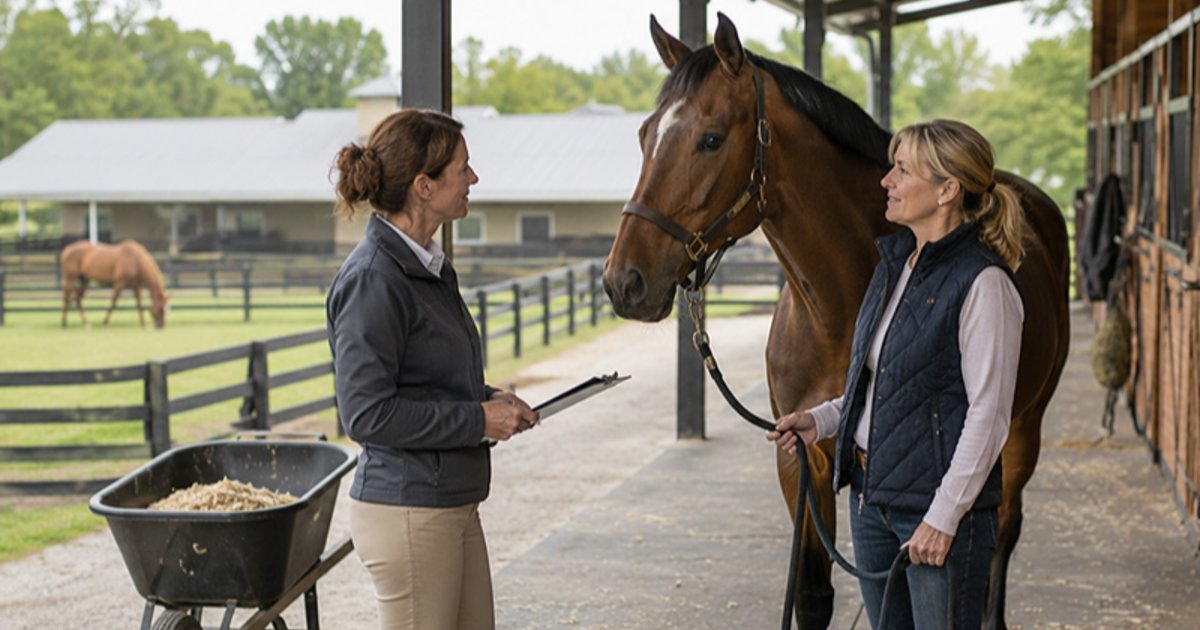
Unless you’re able to keep your horse on your own farm, you’ll most likely need to find a boarding stable. When searching for the right facility, look for a barn with like-minded horse owners and riders who share similar goals to yours. You wouldn’t want to be the only English rider in a Western barn, or the only barrel racer in a dressage barn. If you want to show in the hunter/jumper ring with the rest of your barn, for example, you should look for a facility that travels to local shows. And since you know that one of your goals is to jump and compete, you’ll want to find a horse that’s suited for this type and level of work.
Other important questions to ask when choosing a boarding facility include: 'What are the hours of operation? Will your barn be open during the hours you have available to ride? 'Is there a safe place to ride, like an enclosed indoor arena or a fenced-in outdoor? 'Are there other people to ride with, or will you be the only person around when you’ll be riding? 'Do the other horses and property look well taken care of?
5. Understand the Financial Commitments Remember that owning and caring for a horse requires a significantly larger financial commitment than taking care of a dog or a cat. Even in the case of the “Free to a Good Home” horse, many people don’t realize how much money they’ll need to spend just to supply this “free” horse with food, shelter, supplements, grooming supplies, regular farrier visits, dental care, and veterinary care, not to mention the tack and other supplies you’ll need to ride and enjoy your horse.
In short, make sure you’re prepared to commit to the financial responsibilities, as well as the time commitments of owning a horse before buying one of your own. If you’re not quite sure if you’re ready for this big of a commitment, there are other options out there that can still allow you to spend time with and learn about horses such as taking lessons or leasing a horse.
In Summary Choosing the right horse for you is a process, but you shouldn’t make yourself feel pressured or hurried. The right horse is out there, but it may take some time to find him or her. Remember to start by identifying your goals and even your limitations, then search for a horse based on those parameters.