

Natural Horsemanship Schools: Can You Make a Living Working With Horses?
By Bob Pruitt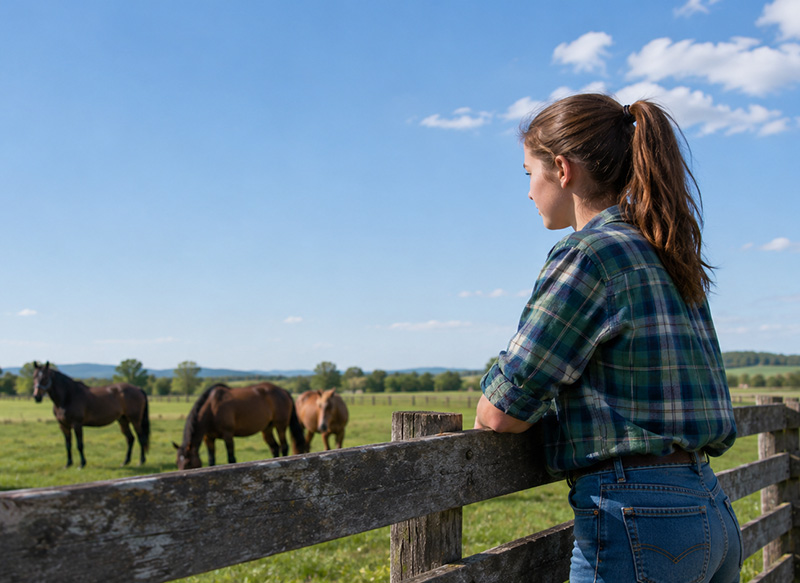
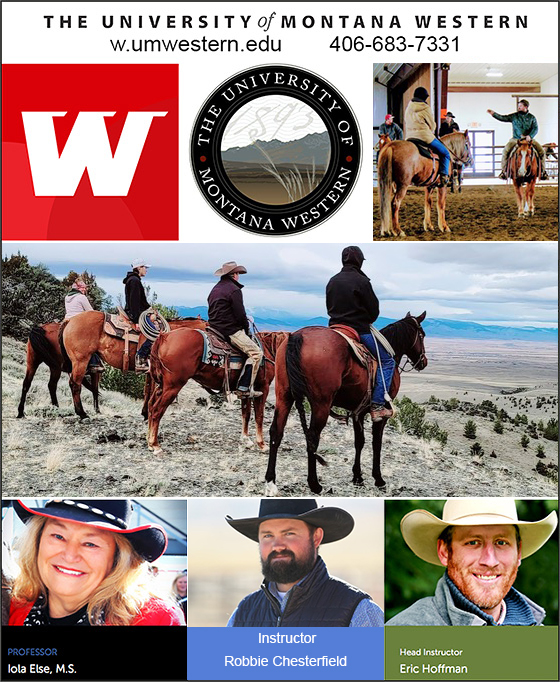
Yes — the U.S. horse industry contributes approximately $177 billion annually to the economy and supports millions of jobs, spanning horse training, riding instruction, veterinary medicine, equine nutrition, farrier science, rehabilitation, barn and facility management, and show and event management. Many of these careers now call for specialized education, and the University of Montana Western offers the only bachelor’s degree in Natural Horsemanship in the United States, combining horsemanship with science, management, communication and hands-on experience.
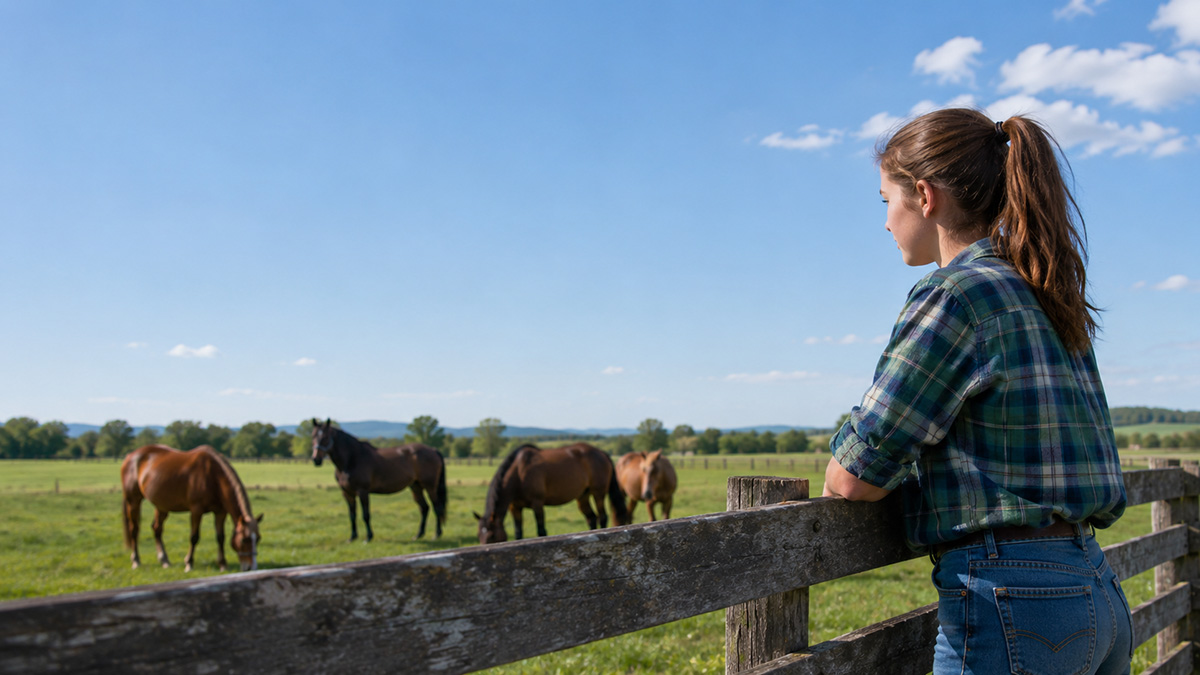
A fifteen-year-old girl stood quietly at a pasture fence watching horses.
There was nothing unusual about it. She had done it hundreds of times before.
She knew which mare was in charge. She knew which gelding always wandered off by himself. She knew which horse would walk over for attention and which one preferred to be left alone.
While other kids spent hours on their phones, she could spend hours simply watching horses.
One evening at dinner she finally said what her parents already suspected.
I think I want to work with horses." Her mother smiled. Her father smiled too. Then came the question that has followed horse-loving children for generations. "That's wonderful, honey. But how are you going to make a living doing that?
It wasn't criticism.
It wasn't a lack of support.
It was a parent's question.
Parents worry about the future.
They want their children to be happy, but they also want them to be able to support themselves, build a career, and live a good life.
To many people outside the horse industry, horses look like a hobby.
A wonderful hobby.
But still a hobby.
What many parents don't realize is that horses are also part of one of the largest agricultural and recreational industries in America.
Today, the U.S. horse industry contributes approximately $177 billion annually to the economy and supports millions of jobs. Behind every horse standing in a pasture is an enormous network of professionals, businesses, educators, veterinarians, trainers, manufacturers, nutritionists, facility managers, marketers, breeders, and industry organizations.
In other words, horses are much more than a pastime.
They are an industry.
And for many people, they become a career.
A Parent Begins Researching

Like many parents, her father decided to learn more before offering advice.
He started researching horse careers.
At first he expected to find only a few possibilities.
Horse trainer.
Maybe veterinarian.
Instead, he discovered an entire world he never knew existed.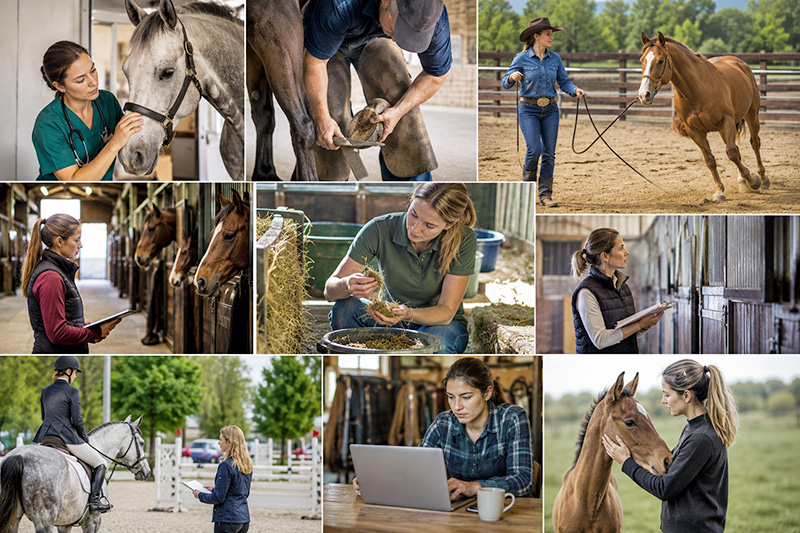
There were careers in veterinary medicine.
Farrier science.
Equine rehabilitation.
Barn management.
Facility management.
Horse show and event management.
Equine reproduction.
Breed associations.
Industry organizations.
Marketing and sales.
The deeper he looked, the larger the horse industry became."What changed wasn't our daughter's dream. What changed was our understanding of what was possible."
More surprising still, he discovered that many of these careers required specialized education and training.
This wasn't simply a matter of loving horses.
It was a matter of learning a profession.
Discovering Natural Horsemanship
As his research continued, one phrase appeared repeatedly.
Natural Horsemanship.
At first, he assumed it was simply another horse-training trend.
The more he learned, however, the more he realized Natural Horsemanship was something much deeper.
Natural Horsemanship focuses on understanding how horses think, learn, communicate, and respond to their environment.
Rather than relying primarily on force or control, Natural Horsemanship emphasizes observation, timing, communication, leadership, trust, and understanding equine behavior.
Good Natural Horsemanship is not about letting horses do whatever they want.
It is about learning how to communicate effectively with them.
It asks an important question:
"What is the horse thinking?"
That simple question has influenced modern horse training, horse management, rehabilitation programs, veterinary handling, riding instruction, and many other areas of the equine industry.
The father found something else interesting.
The skills taught through Natural Horsemanship were valuable far beyond horse training.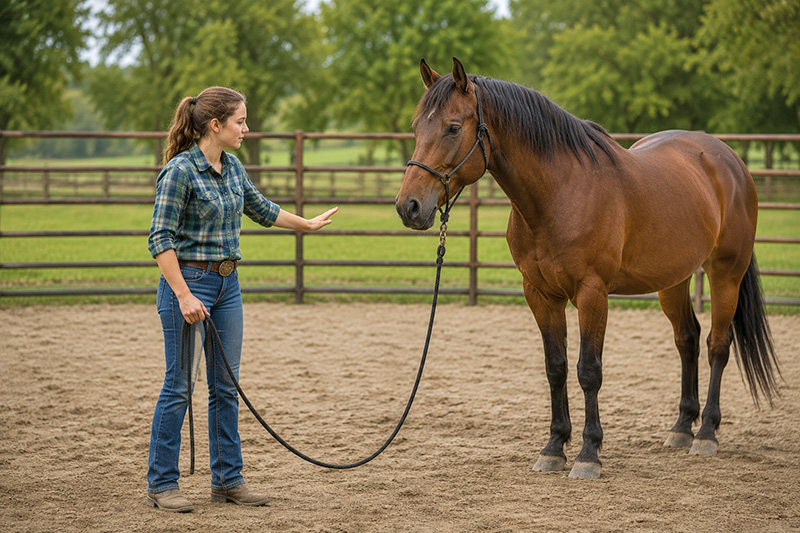
Understanding horse behavior helps veterinarians handle patients safely.
It helps farriers work with difficult horses.
It helps riding instructors teach more effectively.
It helps rehabilitation specialists develop better recovery programs.
It helps barn managers create safer environments.
Natural Horsemanship wasn't just a training method.
You may actually be onto something." She laughed. "What do you mean?
I mean I thought horses were just something you loved.
It was a way of understanding horses.
An Industry Built on Knowledge
Years ago, many horse professionals learned entirely through experience.
There is still tremendous value in experience.
There always will be.
But today's horse industry increasingly rewards people who combine practical horsemanship with education, communication skills, science, management, and business knowledge.
The father began realizing that successful horse careers often look much different than people imagine.
Some professionals spend most of their days training horses.
Others spend their days managing large facilities.
Some work in veterinary hospitals.
Some specialize in nutrition.
Others organize horse shows or work for breed associations.
Many never compete in a horse show at all.
Yet all are important parts of the horse industry.
A Unique Discovery
Then the research led to something unexpected.
The University of Montana Western.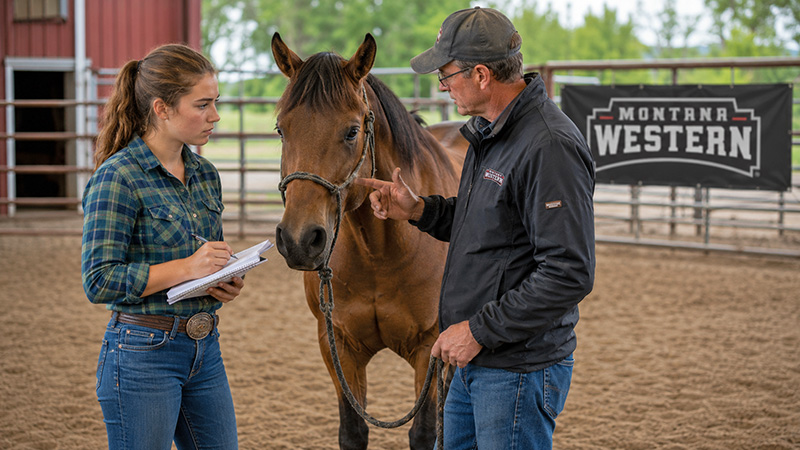
As he continued reading about Natural Horsemanship and equine education, the university appeared repeatedly.
What caught his attention was that Montana Western offers the only bachelor's degree in Natural Horsemanship in the United States.
That was surprising.
The more he learned, the more he understood why students from across the country were attracted to the program.
The Equine Studies program combines horsemanship with science, psychology, management, communication, instruction, and practical experience.
Students learn about horse behavior, horse care, equine science, facilities management, nutrition, teaching, and leadership while preparing for careers throughout the horse industry.
What impressed him most was that the program wasn't designed to produce only horse trainers.
It was designed to help students build careers across many areas of the equine world.
Suddenly his daughter's dream seemed less like a childhood wish and more like a possible career path.
Horse Careers Worth Exploring
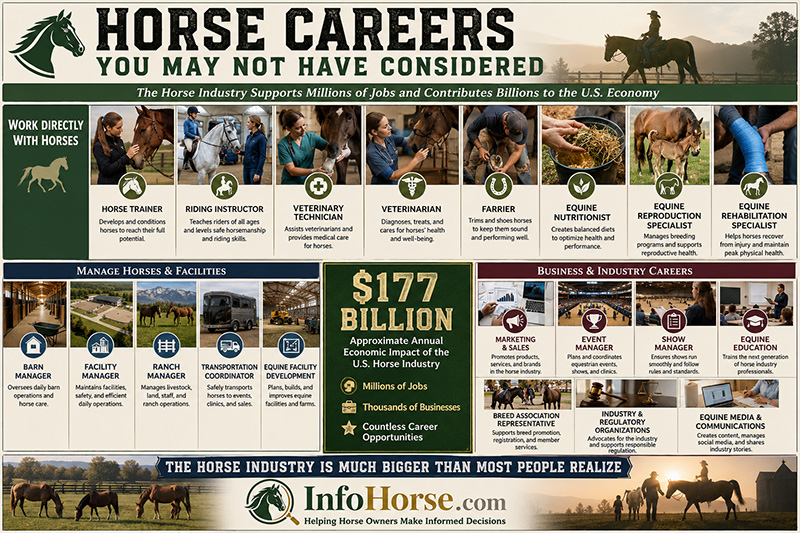
As the family continued learning, they discovered opportunities in nearly every area of the horse industry.
Horse Training
Helping horses and owners develop successful partnerships.
Riding Instruction
Teaching skills, confidence, safety, and horsemanship.
Veterinary Medicine
Serving horses as veterinary assistants, technicians, and veterinarians.
Equine Reproduction
Supporting breeding programs, mare care, and foaling operations.
Equine Nutrition
Helping horses achieve optimal health and performance through proper feeding programs.
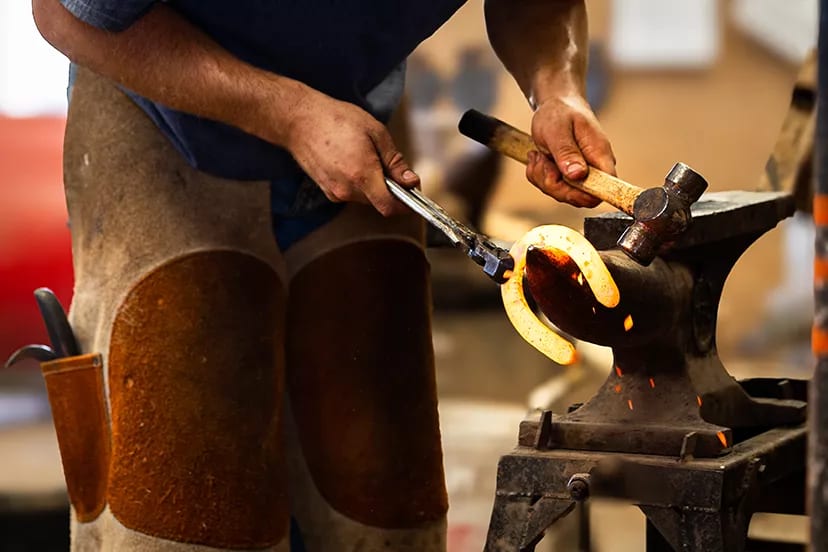
Farrier Science
Combining anatomy, biomechanics, and craftsmanship to keep horses sound.
Equine Rehabilitation
Assisting horses recovering from injury, surgery, or performance-related issues.
Barn Management
Overseeing horse care, employees, schedules, and daily operations.
Marketing and Sales
Helping horse owners connect with products, services, and information.
Facility Management
Managing arenas, pastures, barns, maintenance, and safety.
Show and Event Management
Organizing horse shows, clinics, competitions, and educational events.
Breed Associations and Industry Organizations
Supporting horse owners, promoting breeds, educating members, and helping shape the future of the horse industry.
The Conversation Changes
One evening the father found himself standing beside his daughter at the same fence where she had spent so many hours watching horses.
The horses grazed quietly in the pasture.
For a moment neither said anything.
Then he smiled.
He looked across the pasture.
"It turns out they're also an industry."
The conversation had changed.
Not because her dream had changed.
Her dream had been there all along.
The difference was understanding.
What began as concern had become curiosity.
What began as skepticism had become support.
Final Thoughts
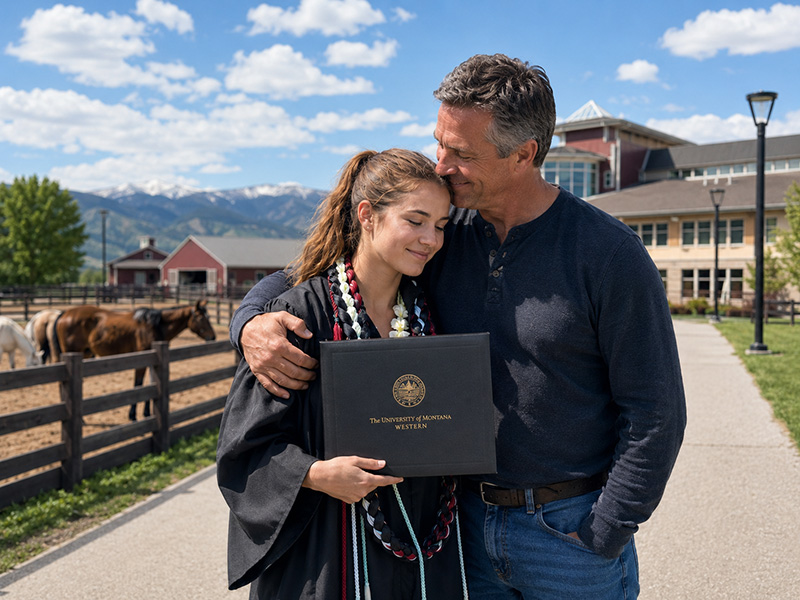
Every year, young people across America dream about working with horses.
Some will become trainers.
Some will become veterinarians.
Some will become farriers, nutritionists, instructors, facility managers, event organizers, marketers, or industry leaders.
The path each person follows will be different.
But nearly all successful horse careers begin the same way.
With a love of horses.
A willingness to learn.
And someone willing to believe the dream is worth exploring.
For students considering a future with horses, and for parents wondering whether such a future is possible, the answer may be encouraging.
The horse industry is real.
The opportunities are real.
And with the right education, dedication, and preparation, a passion for horses can become much more than a hobby.
It can become a career.