
Helping Horse Owners Make Informed Decisions
Riding a Borrowed Horse Safely

Riding a Borrowed Horse Safely

By Brenda Hendrix · Health

Looking to ride a Borrowed Horse Safely the right way?

Safety Tips When Riding a Borrowed Horse May I ride your horse?
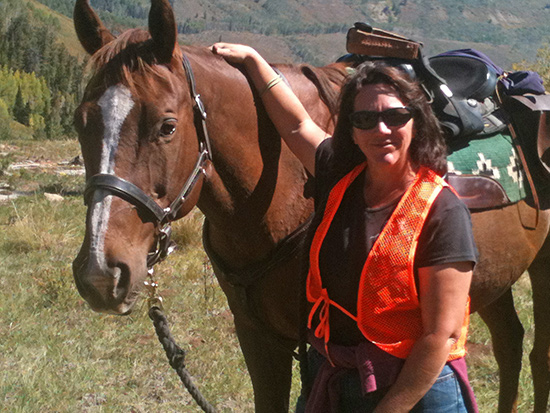
Brenda Hendrix from American Association for Horsemanship Safety

By Brenda Hendrix

How many times have we heard a friend or relative say this? Probably many! Before you jump in and saddle up your trusty steed, here are a few things to consider:

' What kind of training and temperament does your horse have? If you have an athletic show horse or a fit working ranch horse, will he or she be able to tolerate a rider who doesn’t understand how to stay balanced or give cues correctly. Or a rider who is rough or aggressive (“I’ll show him who’s boss!). Even a horse that is being led, as in a pony ride, can become jittery or aggravated with floppy legs or an unbalanced/stiff seat.
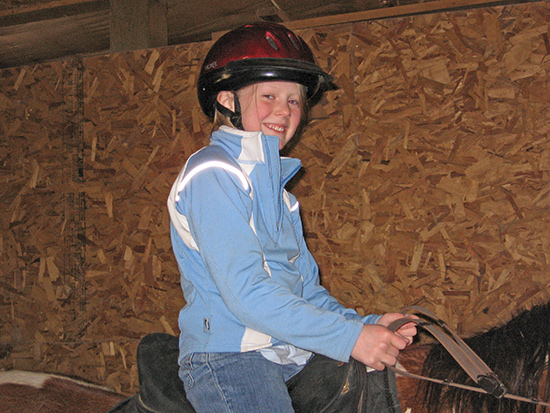
mayride1

' What kind of experience – if any, does the person have? Experience means more than ‘My uncle has horses’ or ‘I rode at camp’. Even if they ARE experienced, you should ask specific questions as to how and how much they have ridden.

' What do they expect to do with/on your horse? Are they expecting to go on a trail ride? Take him over some of your jumps? Go for a fast gallop down the road? If you allow someone to ride your horse YOU need to set the expectation of what will and will not be done.
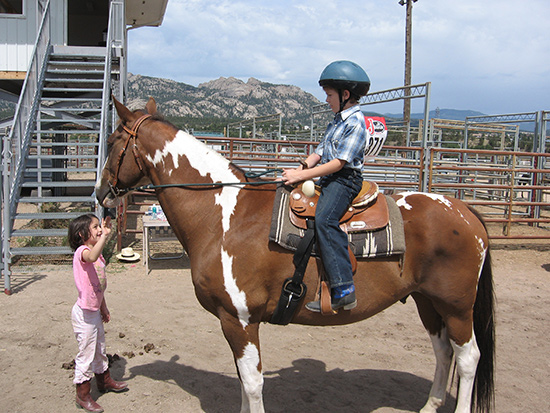
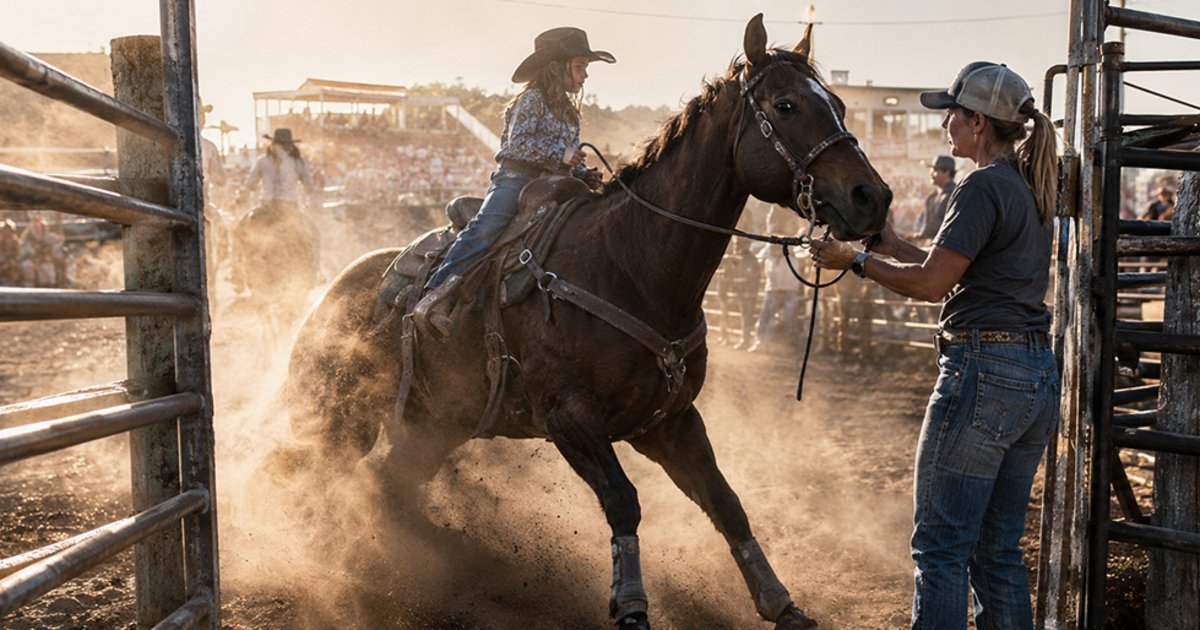
Kids riding horses safely.

' Where will they be riding your horse? Do you have a safe enclosure such as an arena or round pen that would provide a controlled place for the rider to get to know your horse? If there is no confined area you may be inviting trouble if your horse decides this is not the rider for them! Horses can bolt with a rider hanging on for dear life, or when he bolts the rider will be promptly deposited on the ground.

' Do they really understand the inherent risks of being around and on horses? We are around our horses all the time and have either learned by accident or have been trained how to move around horses safely and ride well enough to meet our goals. If our friend/relative is ‘new’ to horses it will be a benefit to ALL to give them a safety-Horse 101 lesson. Your horse will be happier, the rider will actually learn skills and understand why things are done a certain way and you will feel more comfortable once you have given them some tools to succeed.
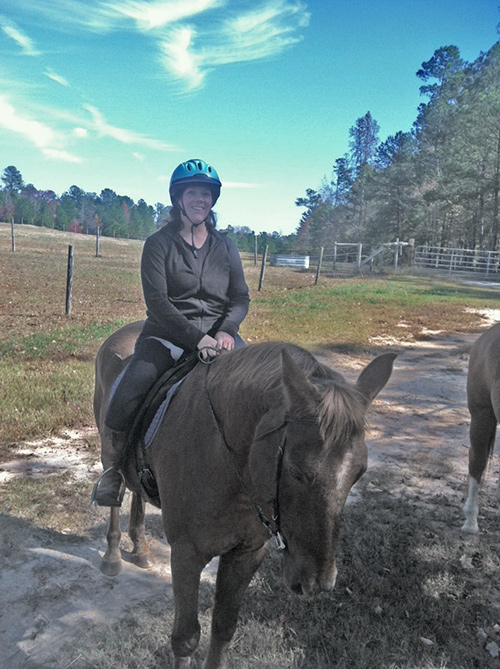
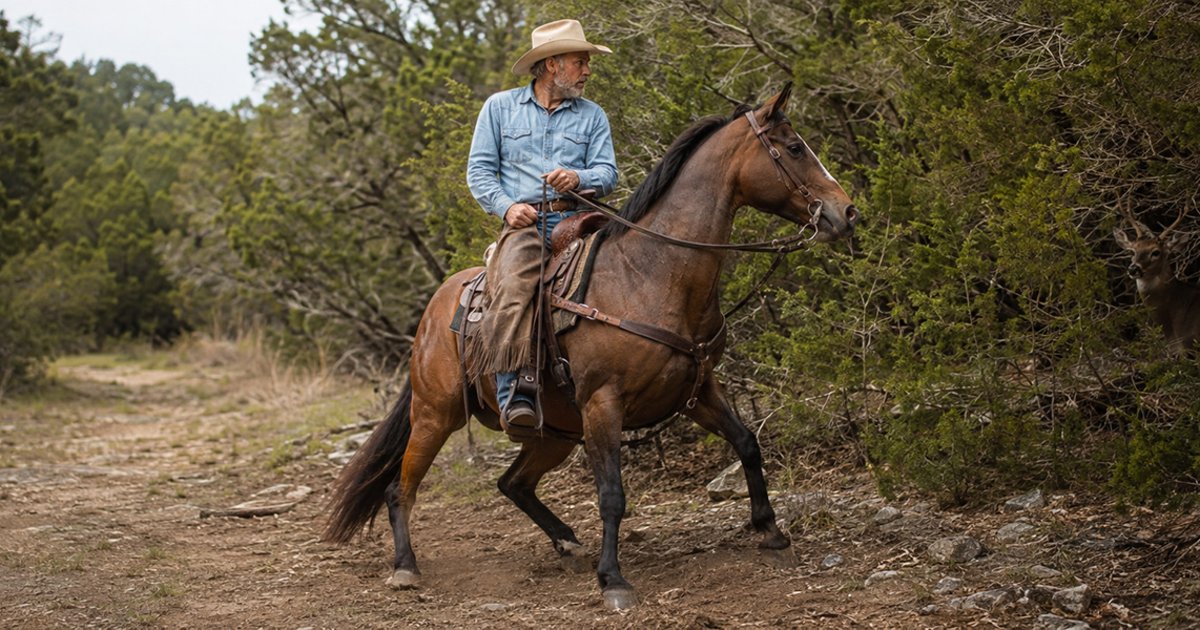
Adults safely riding horses.

' Other things to consider are proper clothing for riders, use of helmets, appropriate tack for the horse, and weather and ground conditions. If you choose to let someone ride your horse, the goal should be for them to have a good experience. Think about things ahead of time. Are you prepared in case there is an accident? What if the rider or your horse is injured? Should I have a ‘release of liability’ form for people to sign? If problems arise or an accident happens, you should be prepared for, at least, hurt feelings or a damaged relationship and at worst, a lawsuit. There have been many cases of family members suing for damages caused by what started as a well-intentioned and fun activity.

As a horse owner, it is our duty to protect our horses and our friends and relatives. Be safe and be prepared.
Key Article Takeaways
  • Per Brenda Hendrix: "May I ride your horse?" deserves a careful evaluation, not a quick yes.
  • Match horse temperament and training level to the rider's actual experience—not their claims.
  • Set explicit expectations: where they'll ride, what gaits, how long.
  • An arena or round pen lets you see how horse and rider get along before larger commitments.
  • Even pony-rides with a led horse can spook from unbalanced or floppy beginner riders.
Questions readers commonly ask:
Should I let a friend ride my horse?

Per Brenda Hendrix: depends on careful evaluation. Match horse temperament and training to the rider's actual experience (not just their claims). "My uncle has horses" or "I rode at camp" doesn't mean the person can stay balanced on a fit ranch horse or athletic show horse.

What questions should I ask before letting someone ride?

Per Brenda Hendrix: how often do they ride, what kind of horses, what disciplines, how recent. Ask about specific experiences, not generalizations. A one-time camp rider and a weekly lesson rider are very different—the answers reveal what to expect.

Where should an unfamiliar rider start?

Per Brenda Hendrix: a controlled enclosure—arena or round pen. Open trail or pasture is the wrong place to discover the rider can't stay balanced or the horse decides he doesn't trust this person. Start small and contained, expand if both horse and rider are comfortable.

What expectations should I set in advance?

Per Brenda Hendrix: where they'll ride, what gaits, how long, and what's off-limits. "Walk and trot in the arena, no canter, no jumps, 30 minutes" is clear. Vague permissions become problems quickly when the rider's expectations differ from yours.

What if my horse rejects the rider?

Per Brenda Hendrix: trust the horse. If your normally calm horse becomes jittery, balks, or shows clear discomfort with the new rider, the partnership isn't working. End the session gracefully rather than pushing through. The horse's read is usually accurate.

Related Products & Services

LaSal Animal Health
InfoHorse Advertiser
LaSal Animal Health
Nebulizer La Sal Animal Health offers the only chelated silver nebulizing solution on the market. Find LaSal Animal Health on InfoHorse.com.
Markie's Choice
InfoHorse Advertiser
Markie's Choice
Markie's Choice — Horse Health Products. Find product details, reviews, contact info and more on InfoHorse.com, America's #1 horse product directory.
The Hay-EZ
InfoHorse Advertiser
The Hay-EZ
The Hay-EZ Hay Bag Filler — the smart way to fill your slow-feed hay bags or nets. Hold the bag open at the top for easy hay loading. Filling has never been easier.
Ann Pruitt
Contact Ann Pruitt
InfoHorse.com