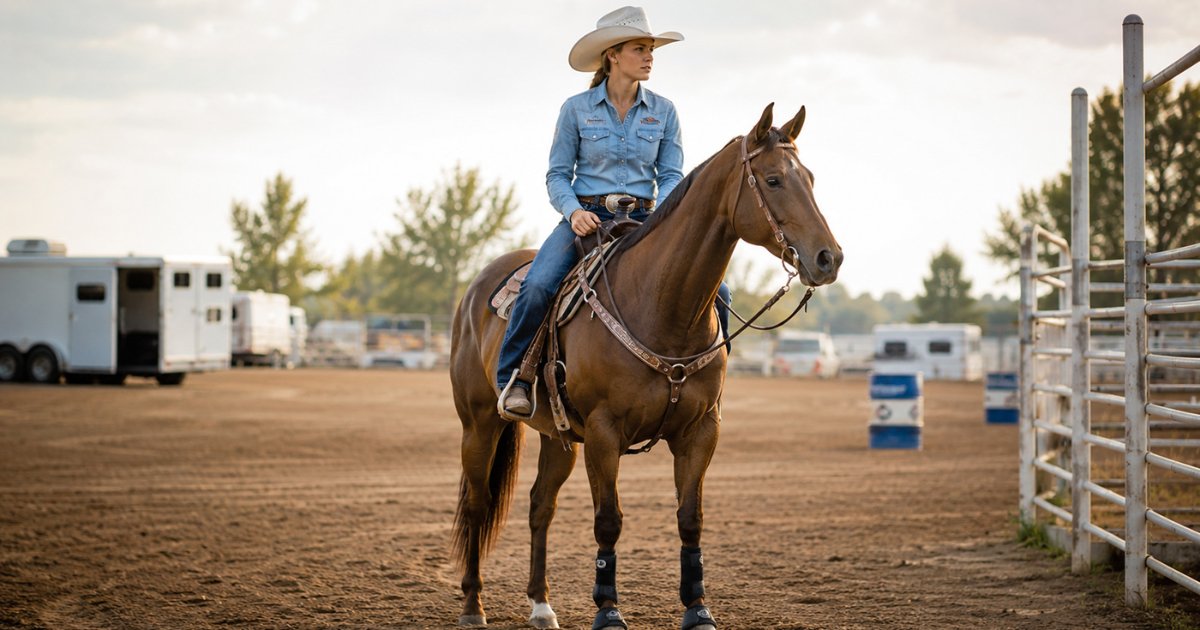


Tips For Avoiding Heat Stress In Horses
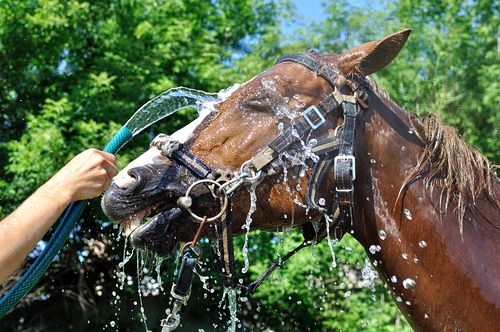
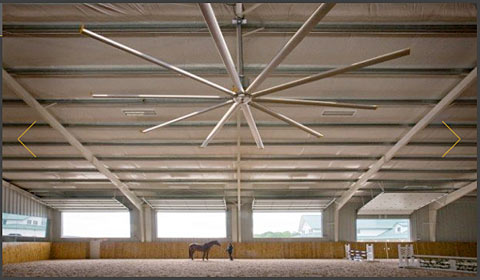
Heat stress in horses progresses through three stages—dehydration, heat exhaustion, and heat stroke—so prevention starts with carefully monitoring your horse in hot weather. Add electrolytes to your horse’s water or feed, make sure it drinks at least 5 gallons of water a day (consumption can more than double on hot summer days), provide shaded areas at turnout and fans in the barn, and build rest periods of slow walking in shaded areas into regular exercise. If your horse does overheat, stop riding, remove the tack, hand-walk it in shade or in front of fans, bathe it with lukewarm water, and call a veterinarian immediately if its temperature exceeds 104 degrees and won’t come down.
Heat stress within a horse can result in a wide variety of outcomes, from poor performance to death. The rapid progression from the first stage of dehydration to the final stages of extreme heat stroke can take owners by surprise. Learning to recognize the signs of heat stress is the first step to protecting your equine partner. Article by Ryan White

There are three typical stages to heat stress in a horse: dehydration, heat exhaustion and heat stroke.
Recognizing the accompanying signs for each stage can help you respond appropriately as you seek to cool your horse and return it to normal functions.
Stage 1: Dehydration — Whenever a horse excessively sweats, it is susceptible to dehydration. As the horse continues to perspire, it will eventually lose fluid from its cells, which can lead to severe dehydration. Be on the lookout for the following symptoms: elevated body temperatures, dark urine, a dull expression or general lethargy, and excessive sweating on nonworking horses.
It is important to note, if your horse refuses to move after a workout, it might be experiencing muscle pain or cramping, commonly referred to as tying up. If this is the case, immediately call your veterinarian, try to encourage your horse to walk in the shade or in front of a fan, and try to cool your horse by applying lukewarm/cool water to its jugular. The water temperature should gradually be transitioned to cold, and excess sweat should be scraped from its body.
There are two simple tests that can be conducted to better determine if your horse is dehydrated:
1 Skin-pinch test: Grasp a fold of your horse's skin at the point of the shoulder
2 Capillary refill test: Press gently on your horse's gum directly above the upper incisor
Stage 2: Heat Exhaustion — After your horse has become dehydrated, it will begin to lose control over its body. It is important to note that a horse with a lot of heart will keep trying to work, even though it is being pushed past its limits. As such, it is vital to monitor your horse carefully during extremely hot weather conditions. A general rule of thumb is as follows: If you must constantly stop to take water breaks when riding, then it is too hot to ride your horse for extended durations.
Additionally, it is never a good idea to ride a horse that is dehydrated or suffering from heat exhaustion. Instead, take the time needed to help your horse rehydrate, before you even consider saddling up.
Warning signs for heat exhaustion include:
1 Body temperature higher than 104 degrees Fahrenheit
2 A thickening of sweat that is accompanied with the skin being hot to the touch
3 A skin-pinch touch that takes longer than six seconds to flatten, or a capillary refill time of more than several seconds
4 Dark or discolored gums
5 Blood excreting from the horse’s nose
6 Rapid or shallow breathing, accompanied with reduced intestinal sounds
7 A depressed posture, extreme lethargy, lack of focus and increased stumbling
Stage 3: Heat Stroke — Heat exhaustion can rapidly become heat stroke. Monitor your horse's temperature carefully to ensure that it does not rise to 106 degrees for a prolonged period. If your horse sustains a high temperature for 15 minutes or longer, the consequences can be very serious. It is important to try to cool your horse and contact your veterinarian before your horse reaches this stage.
Be on the lookout for the following symptoms of heat stroke: 1.Stumbling or difficulty moving (even when being led with a halter and lead rope on level terrain).
2.Listlessness, anxious, irrational or erratic behavior.
3.Disoriented, oblivious, depressed, or an inability to recognize the origins of sounds or movements. For example, your horse might not look at you when you speak, or react when you move your hands by its face.
4.Collapse. In an extreme case of heat stroke, your horse might collapse or begin to convulse. Due to brain damage, it is very hard for a horse to recover from this stage of heat stroke. Additionally, your horse might begin tying up, or develop liver or kidney failure, colic or laminitis as a direct result of prolonged cases of heat stroke.
Help Your Horse Get Cool and Protect It During Summer Heat If your horse is experiencing any of the above stages of heat stress, you will need to take immediate steps to properly cool your horse. As with any potentially dangerous situation, it is always a good idea to involve your veterinarian early in the process:
1 Stop riding, remove tack, and hand-walk your horse in a shaded area or in front of fans
2 Give your horse a bath with lukewarm water
3 Use a curry comb or your hands to massage your horse's muscles
4 Monitor your horse's body temperature for several hours until it reaches 101 degrees or lower
5 At the recommendation of a veterinarian (or with the assistance of a veterinarian) give your horse intravenous fluids
During periods of extreme heat, it is a good idea to follow these precautionary steps:
1 Add electrolytes to your horse's water or feed during hot weather
2 Monitor your horse's intake of water to ensure that it is naturally replenishing its fluids
3 Ensure that your horse has access to shaded areas when it is turned out
4 Improve your horse's fitness level and keep its hair shorter, so that it can more easily tolerate high temperatures
5 Incorporate rest periods of slow walking in shaded areas during regular exercise
Know the Signs Before It's Too Late The best thing you can do during the summer heat is to carefully monitor your horse's behavior. You should know what "normal" behavior is — including body temperature, heart rate recovery, and the average daily water consumption for your horse. Finally, actively watch your horse for any of the above signs of heat stress; you can greatly reduce the likelihood that your horse will become dehydrated or experience heat stroke.
Consult the following guide for more information on how owners and riders can help their horses avoid heat stress.
Author bio: Raised on a working cattle ranch in Hawaii, Ryan White has over 30-plus years of experience in the rodeo industry. White has spent his life dedicated to rodeo, as well as being an avid surfing enthusiast. White represented the first Hawaii high school rodeo in 1988, and was a state champion team roper and six-time California Circuit finalist. His need for innovation and creativity have undoubtedly been the driving force behind the immense success.